Home Blog Page 6537

Power Company Gives Boost to Luang Prabang School

Nam Ngum 5 Power Co., Ltd. has given educational equipment to Chim Secondary School in Chim village, Phoukhoun district, Luang Prabang province.

The items donated included 80 desks, four teachers’ tables and four whiteboards, valued at 47 million kip.

The supplies were presented to Chim Secondary School on Tuesday in the presence of the Deputy General Manager of Nam Ngum 5 Power Co., Ltd., Mr. Phonesavanh Keohavong, Deputy General Manager Mr. Tian Shao Qiang, Deputy Governor of Phoukhoun district Dr Phetsamone Vongsipaseuth, local education and sports officials, teachers and students.

Mr. Phonesavanh said that over the last two years the company had helped to build a school, a village club and an infirmary for Chim and Namting villages in Phoukhoun district.

At the end of this year, the company also plans to build a flood rescue centre and a new school in Chim village at a cost of more than 500 million kip.

Principal of Chim Secondary School, Mr. Somboun Yenuthor, said the school opened in the 2008-09 academic year and now had 508 pupils.

During the ceremony, district Deputy Governor Dr Phetsamone asked the company to continue to support education in Phoukhoun district. He also called on village authorities, teachers and students to maintain the equipment they had been given.

Dr Phetsamone asked the company to consider helping to create a football pitch in Bangkalo village.

The Nam Ngum 5 hydropower plant is located on the Nam Ting river, which is a major tributary of the Nam Ngum river upstream in a mountainous area. The power plant is about 300km north of Vientiane. The dam is located in Luang Prabang province and the powerhouse is located in Xieng Khuang province.

The total investment in the project is US$199 million. Sinohydro Corporation Ltd owns a 85 percent share and Electricite Du Laos owns a 15 percent share. The project’s chartered commercial operation period is 25 years.

Work on the project began in October 2008 and the plant became operational in December 2012.


Source: Vientiane Times

Japan Encourages Innovation in Lao Handicrafts

Japanese experts are working with the Lao Handicraft Association to help artisans produce more items that are suitable for purchase as gifts.

A representative of the Japan External Trade Organisation (JETRO), Mr. Tetsuo Shibata, gave a talk on the subject on Friday as part of the Lao Gift Project, which is supported by JETRO.

Mr. Tetsuo’s main message was that the gift project should continue so that more suitable items could be produced.

Many Lao handicrafts appeal to foreign visitors and to Lao people as well, but a lot of them are large and smaller items would be more appropriate, he said.

President of the Lao Handicraft Association, Mr. Hansana Sisane, also addressed the audience. He said the Lao Gift Project was proving to be very helpful and it was useful to share experiences among participants.

Some handicraft makers had received awards for excellence, while those who had not done so needed to enhance their skills.

Mr. Hansana said the main objective of the talk was to discuss new production methods and gift items, along with ideas that were needed to bolster this line of work.

The project began last year.

Handicrafts were on display at the ASEAN Summit held in Vientiane from September 6-8 this year. Other activities during the summit highlighted policies on investment, commercial cooperation, foreigners living in Laos, and places to buy souvenirs.

Five groups are taking part in the project, namely Sikhai Handicraft, the Nalongkone shop, and Pasen, Nakhanet and Kheuamai handicraft makers.

Mr. Shibata said the items made by these groups were produced from natural materials and included rattan products, banana fibre products, textiles embroidered with beads, salt, black rice, incense sticks, and carved wooden items.

These materials were easy to source, he said, adding that it was beneficial to continue support for the project to develop artisans’ skills in provinces across the country.

We need to discuss how best to support and promote the work of local people in various target districts, he added.

Mr. Shibata said Lao handicraft makers produce a variety of attractive products and artisans are frequently visited by officials and other guests, with gift items made by local people. The designs found in Laos are different to those found anywhere else in the world, he noted.


Source: Vientiane Times

Laos, Vietnam Partner in Garment Skill Training

The Lao People’s Revolutionary Youth Union and the Salesian Sisters of Don Bosco in Vietnam have agreed to promote the development of vocational education for young Lao women to boost their job prospects and meet the needs of the growing labour market.

They are arranging vocational training courses on garment-related skills for young women who lack opportunities in rural areas.

Some 80 young women are expected to benefit from the programme.

The programme, Sewing Training Course for the Poor and Educationally Disadvantaged Girls, is a small step in contributing to the government’s continued efforts to reduce poverty.

The programme specifically targets young women from economically disadvantaged backgrounds so they can acquire valuable skills to expand their prospects for employment in the growing garment sector.

This will in turn help lift vulnerable women out of poverty and provide a model example for future poverty reduction projects.

The ultimate goal of such programmes is that participants will one day utilise their skills to establish family businesses or find employment in garment factories.

The budget, provided by the Salesian Sisters of Don Bosco in Vietnam, is more than US$100,000.

In addition to the training, equipment will be provided that includes personal computers, sewing machines and buttonhole embroidery machines.

The vocational training courses will be held in Nonsa-aat village, Xaythany district, Vientiane.

The Youth Union and Salesian Sisters of Don Bosco in Vietnam signed an agreement on Friday to launch the two-year project from 2016-2018.

The agreement was signed by Director General of the Youth Vocational Development Department, Mr. Beeya Yathotou, and a representative of the Salesian Sisters of Don Bosco in Vietnam, Vu Thi Kim Lien.

The two parties believe the project will assist in providing a more highly skilled workforce to meet the demands of economic growth and foreign investment amid a surge in development.

They said the two-year project will continue if the outcome of the programme is successful.


Source: Vientiane Times

Mainstream News Agencies Learn about Safe Use of Social Media

With social media spreading quickly and unavoidably throughout society, mainstream media has learned about its impacts and how to promote its safe use, especially among young people.

UNICEF cooperated with the Mass Media Department of the Ministry of Information, Culture and Tourism to organise a social media training session in relation to children’s rights. The three-day seminar from October 25-27 took place at Thalath in Vientiane province.

More than 40 people from mainstream media agencies throughout the country gathered to arm themselves with knowledge about the new media and learn about its impacts.

Seminar participants learnt that young people are among the highest users of social media, especially Facebook. In 2015, the percentage of 13-19 year olds using Facebook was 28 percent of all users, with 20-29 year olds making up about 46 percent.

They also learnt about new media and its pros and cons, especially for young people. The training covered the Media Law, Cyber Crime Law and examples of using social media to promote mainstream media.

The session was conducted by the Mass Media Department, Lao Press in Foreign Languages, Lao Computer Emergency Response Team (Lao Cert) of the Ministry of Posts and Telecommunications, and UNICEF.

Following the seminar, participants visited schools and an IT centre in Vientiane province to find out how young people use social media. Many schoolchildren said they were using more social media, especially Facebook, WhatsApp, Line and others. However, they said they tried to use it in a positive way to help their education.

Ms Chindalath, a student at Phonemee Upper Secondary School in Vientiane province, said I know that social media has both advantages and disadvantages. I try to use it in a positive way to help my studies. It’s easy to become addicted so I try to schedule my time and not overuse it. Some people use it too much which impacts on their studies and causes other problems. I would like to encourage young people to use social media in the right way.


Source: Vientiane Times

Ministry Demands Closure of Factory, Chicken Farm

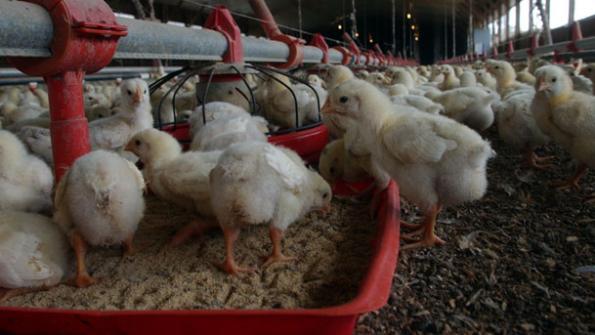
The Ministry of Natural Resources and Environment has recommended revoking the licences of a chicken farm and a brick factory in Xaythany district, Vientiane, after learning they were causing pollution and affecting nearby communities.

Minister of Natural Resources and Environment Sommad Pholsena told the National Assembly (NA) that he had suggested the Vientiane Natural Resources and Environment Department submit a letter to the Vientiane Industry and Commerce Department to consider revoking the licences of the two businesses.

Mr Sommad last week responded to a question raised by a member of parliament at the ongoing Ordinary Session of the National Assembly. He said he was aware of the issue. NA member for Vientiane Buaket Phommachanh said a chicken farm in Nasala village, which was operated by a local farmer in collaboration with Thailand’s food giant Charoen Pokphand Group (CP), was generating a bad smell and swarms of flies.

Mr Buaket, who visited the village, said some residents told him they had to eat their meals inside mosquito nets to avoid being disturbed by the flies.

“Villagers said they will relocate if the issue remains unaddressed,” he told the session, calling for a solution.

In addition, he said a brick factory in Nonsaath village, which is owned by a Vietnamese national, uses coal to fire the bricks which gives off unpleasant fumes.

Mr Sommad said the relevant sectors should lay down measures to prevent businesses from generating offensive odours before allowing them to operate.

“If we [state departments] are decisive in the same direction, these issues will be solved. It’s not difficult [to solve],” he said, adding that such issues should not be justified by the fear of losing revenue.

“We must uphold the interests of the people – the health of the people as core considerations.”

He said there were ways to address the issue such as relocating the farm and the factory in question to more suitable areas.

“We haven’t completely closed the door for them,” he said, implying that there were win-win options for the businesses, in which they are required to fully comply with the regulations and laws.


Source: Vientiane Times

Mental Health Expert Calls for more Support for Sufferers

Mental health experts in Laos believe the use of so-called psychological first aid is the best way to prevent an increase in the number of mental health patients.

The majority of Lao people with mental health issues do not have access to treatment and other basic health services because Laos lacks trained personnel in this field.

Programme Manager Dr Chantharavady Choulamany of Basic Needs, an international NGO focused on mental health issues, spoke to Vientiane Times last week at a press conference to mark World Mental Health Day.

She said “We urgently need to implement the concept of psychological first aid in Laos.”

She claims efforts in support of the day will focus on basic, pragmatic psychological support by people who find themselves in an assisting role, whether they be health staff, teachers, community workers or police officers.

“Despite its name, psychological first aid covers both psychological and social support. Just like general health care never consists of physical first aid alone, similarly, no mental health care system should consist of psychological first aid alone,” she said.

“Indeed, the investment in psychological first aid is part of a longer-term effort to ensure that anyone in acute distress due to a crisis in mental health is able to receive basic  support. Moreover, those who are in need of more than psychological first aid will receive additional, advanced support from health care and social services,” she added.

Dr Chantharavady explained that practitioners in Vientiane have more of an understanding about mental health treatment in their communities. This means they can better ascertain the mental and physical health of their patients in comparison to rural areas.

Thousands of people with mental health conditions around the world are deprived of their human rights. They are not only discriminated against, stigmatised and marginalised but are also subject to emotional and physical abuse in both mental health facilities and the community at large.

Poor quality care due to a lack of qualified health professionals and dilapidated facilities leads to further violations.

According to Basic Needs, there are over 70,000 people in Vientiane with reported mental health issues. At the same time, only about 29,000 people with mental health issues have access to treatment and health services because Laos lacks both human and financial resources in the field of mental health.

This year, the WHO will be raising awareness of what can be done to ensure that people with mental health conditions can continue to live with dignity, through human rights oriented policy and law, training of health care professionals, respect for informed consent to treatment, inclusion in decision-making processes, and public information campaigns.


Source: Vientiane Times

Trillions of Kip in Earnings Go Unreported by Govt Bodies

Trillions of kip have been lost due to the continued violation of financial regulations by ministries, government agencies, and state enterprises.

These include losses due to tax discounts and exemptions on the import and export of goods, the illegal transfer of state property, and other financial transactions.

The losses were outlined in a report introduced on Friday by the President of the State Audit Organisation (SAO) Dr

Viengthong Siphandone at the National Assembly’s ongoing debate session.

The SAO has audited the financial records of 12 ministries and government agencies, 12 departments, 16 provinces and Vientiane, and three units under the National Treasury for the fiscal year 2014-15.

More than 2.4 trillion kip was found to have been lost due to tax exemptions, tax discounts, and exemptions and discounts on special levies on the import and export of fuel, vehicles and timber.

This sum accounted for 46.4 percent of total revenue by the customs sector and was thought to amount to as much as 5.8 trillion kip.

Tax exemptions were made for certain projects, enterprises, and individuals as authorised by the government, ministries, provinces, the capital, districts, and special economic zones.

In the taxation sector, audits also found that 98.2 billion kip earned from labour status improvement, 74 billion kip in service fees, and about 1.4 billion kip made from the sale of desirable vehicle registration numbers had not been passed on to the state budget.

In addition, more than 800 billion kip received in taxes, state property, government funds and from other deals amassed by ministries, provinces and the capital had not found its way to the Ministry of Finance in the form of state revenue as required under Article 6 of the Law on State Budget.

Instead, the money had been used to finance investment projects, kept in cash, deposited  in bank accounts, or given as loans to the private sector.

More than 317 billion kip was found to have been acquired from the transfer of state property to the capital. Of this amount, more than 276 billion kip was related to activities undertaken by the Ministry of Information, Culture and Tourism, 34.4 billion kip was related to deals made by the Ministry of Education and Sports, and 6.4 billion kip was related to transactions carried out by the Ministry of Finance.

“This money was not recorded as revenue in the  2014-15 fiscal year. Deals were not undertaken in compliance with the decree on bidding and procurement, while project implementation did not follow the assessment procedure as stipulated in the Law on State Investment,” the report stated.

The Ministry of Information, Culture and Tourism and the Ministry of Education and Sports were also involved in the transfer to individuals of 91 plots of land with a combined area of more than 37,000 sq. metres, in transactions that did not follow authorised procedures.

Six other ministries were found to have opened 159 bank  accounts that had balances amounting to 367.7 billion kip at the end of the 2014-15 fiscal year.

In its report, the SAO said these issues were awaiting resolution. Furthermore, the Central National Treasury could not provide records for 2.9 trillion kip it had released for the payment of discounted debts and the issuing of bonds.

The audit also found that the Ministry of Finance’s Budget Department had not coordinated with the National Treasury in summarising payments.

The audit also turned up more than 156 billion kip that had been earned from the sale of timber in six provinces, but was not recorded.

Some provinces had included the money earned from the authorised sale of timber, confiscated timber, and fines in provincial financial development reserves with the amount determined between them. This resulted in a loss of revenue from the sale of timber, violating the Law on State Budget.

More than 441 billion kip was found to have been earned from the sale of timber, fees charged to other airlines to use Lao air space, and the sale and transfer of state assets, which again had not been recorded.

The National Assembly approved a total revenue target of 26.1 trillion kip for the year 2014-15, of which 25.3 trillion kip was accrued.

In total, audits of 44 budgetary units found 814.4 billion kip in unrecorded revenue.


Source: Vientiane Times

Child Fund Australia Supports Children in Xieng Khuang

Child Fund Australia has provided more than US$1.1 million to support development outcomes relating to health, education, water, sanitation and nutrition for children in Khoun district, Xieng Khuang province.

Funds will also go to support the continued need for improvements in education access and quality, targeting the poorest in the target district’s nine villages.

The representative office of Child Fund Australia, Child Fund Laos, will work in partnership with the Rural Development and Poverty Eradication office in Xieng Khuang province to begin a new project named Community Development for the Well-Being of Children in Khoun district.

The project will work to reduce poverty through addressing development gaps, building capacities, and taking a multi-sector, holistic development approach.

Reaching some of the poorer areas within Khoun district, the project will be implemented by the communities themselves within nine villages with extensive consultation with district and provincial authorities. It is expected to run for four years, with an end date of September 2020.

The main purpose of the project is to ensure that partner communities are able to sustain project activities and to reduce their reliance on external inputs while increasing their resilience in daily life.

The project will be implemented with close community oversight and participation so that community members have the chance to work alongside local authorities, partners and Child Fund Laos staff to strengthen their capacity in identifying, planning and managing their own activities in the future.

Management of project activities will be handed over, with close monitoring and support to district and village representatives in partner villages that reach a 12-year partnership term with Child Fund Laos.

All Community Development for the Well-Being of Children in Khoun District activities are in line with the 5th National Socio-Economic Development Plan, Laos’ Sustainable Development Goals commitments, Laos’ least developed country graduation targets for 2020 and existing district development priorities.

Activities will focus on sustainable community development through an integrated development approach focusing on improving the lives of children.

Child Fund Laos will start to implement the project in Khoun district after a Memorandum of Understanding was signed on Friday, inked by Programme Manager of Child Fund Laos, Dr Emelita Santos Goddard and Director General of the Xieng Khuang provincial Rural Development and Poverty Eradication office, Mr. Yong Tia Lor.

Australia’s Ambassador to Laos John Williams and Deputy Governor of Xieng Khuang province, Mr. Khamsane Manivong, were witnesses at the ceremony.

According to Child Fund Laos, it is anticipated that the project will have more impact in Khoun district, particularly in reaching poorer areas, a key priority of the district’s socio-economic development plan. This is also a focus of the Child Fund Australia Laos country strategic plan.


Source: Vientiane Times