Home Blog Page 124

Luang Namtha Calls for Public Donations as Flooding Devastates Province

Luang Namtha has called for public donations after severe flooding affected more than 50 villages and 2,400 households in the province. Luang Namtha Province, Laos. 30 August 2026. (Photo: Luang Namtha News)

On 31 August, Luang Namtha Province called on domestic and foreign sectors to donate money and supplies to help residents recover from severe flooding that struck the province. 

The appeal joins a wave of donation calls from flood-hit provinces across Laos in recent weeks.

Between 29 and 30 August, heavy rain triggered flash floods in more than 50 villages, including the Boten Daen Ngam Special Economic Zone near the China border checkpoint. The floods cut off roads and damaged homes, farmland, and property in more than 2,400 households in Luang Namtha district alone. 

Officials have not yet valued the full losses.

The northern province is currently focused on sheltering displaced residents and supporting recovery efforts. Authorities have appealed for consumer goods, food, medicines, and other essentials, and have set up a provincial account and relief reception points to receive contributions.

Neighboring provinces have faced similar disasters. 

Oudomxay suffered a severe flood wave on 29 to 30 August, when torrential rain hit Namor, Xay, and La districts and affected at least 81 villages.

Meanwhile, in Luang Prabang, a flash flood hit Nambak district on 30 August. A provincial survey later found the flood affected eight villages and more than 1,000 people, damaging rice paddies, vegetable plots, and fruit gardens, with losses estimated at LAK 1.83 billion (USD 81,000).

Savannakhet Also Appeals for Donations

Earlier on 24 August, Savannakhet called for public donations after flooding hit 13 districts and the provincial capital, Kaysone Phomvihane City, earlier in August, flooding homes in 177 villages and affecting more than 40,200 people, according to officials. 

The floods killed two people, left one missing, and forced thousands into evacuation centers or relatives’ homes.

Donation Calls Spark Criticism

The wave of donation appeals has drawn mixed reactions from the public. 

Some social media users have questioned why authorities keep asking citizens to donate when the National Disaster Management Agency already holds relief funds. “Why not use the billion-kip disaster relief fund?” one comment read, calling for an urgent parliamentary meeting to release the money. 

Others asked where tax revenue goes, while some argued that responding to disasters is the government’s duty, not the public’s.

In Indonesia, stroke care delays accumulate on the way to treatment, new report finds

Indonesian experts call for capability-based referral routing, greater investment in trained stroke teams and broader insurance coverage to close the gap between Western and Eastern Indonesia.

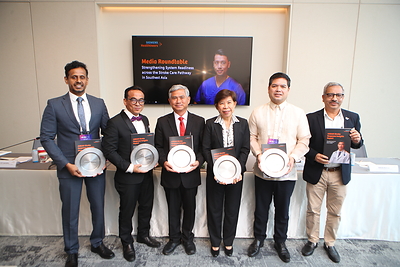
JAKARTA, Indonesia, Sept. 3, 2026 /PRNewswire/ — Structural delays occurring before patients reach treatment remain the biggest barrier to timely stroke care in Indonesia, according to a new report, Strengthening Stroke System Readiness Across ASEAN, unveiled today by Siemens Healthineers at Hospital Management Asia 2026 in Bangkok, Thailand.


The report draws on insights from seven leading experts across Indonesia, Malaysia, the Philippines, Singapore, Thailand and Vietnam, including Dr. dr. Affan Priyambodo, Sp. BS (K), Subsp. N-Vas, Chief Medical Officer at Dr. Sardjito General Hospital in Yogyakarta. Experts identified that in Indonesia, the dominant delay in stroke care is structural rather than clinical, with significant time lost during hospital referral and insurance processing before a patient ever reaches treatment.

Stroke is a leading cause of death and disability across the region: the World Health Organization’s South-East Asia Region accounts for over 40% of global stroke mortality,[1] and carries nearly half of the developing world’s total stroke burden, with severe long-term disability affecting roughly one-third of all stroke survivors[2]. In Indonesia, stroke is the leading cause of death[3], with the burden compounded by an ageing population[4] and continuing disparities in access to specialist care between Western and Eastern Indonesia.

“Every healthcare system across Southeast Asia is at a different stage of its stroke care journey, yet many of the challenges are shared,” said Fabrice Leguet, Managing Director ASEAN and Head of Enterprise Services Asia-Pacific & Japan, Siemens Healthineers.

“In Indonesia, that challenge is to confirm the correct type of Stroke in time. Improving outcomes depends on how effectively the entire stroke system works together, from recognizing symptoms and activating emergency medical services to rapid diagnosis, treatment and rehabilitation,” said Alfred Fahringer, President Director, Indonesia, Siemens Healthineers.

Structural delays across the stroke pathway remain the greatest challenge in Indonesia

Indonesia has made substantial progress under its national stroke program, Program Pengampuan Stroke, which aims to build stroke care capability across all 514 districts and cities. As of April 2026, 231 districts could offer clot-dissolving medication (thrombolysis-capable), the standard emergency stroke treatment and 81 had the more advanced capability to physically remove blood clots or treat brain aneurysms (thrombectomy-capable), with a goal of full national thrombolysis coverage by 2027.

However, coverage remains highly uneven in Indonesia: almost all thrombectomy-capable districts are concentrated in the West, particularly Java, while Eastern Indonesia remains largely underserved. As a result, patients with the most severe strokes often need to be transferred from their initial hospital to a thrombectomy-capable facility – a critical source of delay in the treatment pathway. That delay is compounded before a patient is even transferred: low public awareness of stroke symptoms slows initial recognition, the absence of a unified emergency medical services (EMS) and triage protocol leaves many arriving without a clear plan of care, and in-hospital workflows vary widely from one facility to the next.  

Financing adds a further layer of delay. Indonesia’s national health insurance scheme, BPJS Kesehatan, provides broad coverage, though gaps in funding for emergency and specialized stroke treatment can slow access for some patients even where capacity exists.

A national model with local innovation

While no single model can be applied across every country, the report highlights approaches that are already demonstrating how the challenges can be addressed. In Yogyakarta and Bali, a ‘hub-and-spoke’ model has shown how centralising stroke care can improve outcomes across a wider catchment area. At Dr. Sardjito General Hospital in Yogyakarta, open vascular and endovascular stroke procedures are delivered by a single, integrated team, reducing dependence on any one skill set and helping to keep services running around the clock.

AI can support faster, more coordinated stroke care

Artificial intelligence was identified across the region as an important enabler of more connected stroke care, particularly in countries like Indonesia, where geographic distance separates many patients from stroke care. AI-enhanced tele-stroke networks could support referring hospitals with rapid imaging interpretation and decision support, helping extend specialist expertise into Eastern Indonesia. The experts stressed, however, that technology is most effective when integrated into well-designed clinical pathways and supported by trained professionals, robust referral networks and standardized care protocols.

Five priorities for strengthening stroke readiness

Beyond expanding infrastructure, experts agreed that the next phase of stroke care in Indonesia depends on how effectively patients are routed through the system that already exists. Immediate priorities for Indonesia include:

  1. Strengthening referral pathways and inter-hospital coordination to reduce transfer delays
  2. Moving from proximity-based to capability-based routing, sending patients directly to thrombectomy-capable centres
  3. Investing in trained neurointerventional nurses alongside new equipment
  4. Treating the stroke network as one system, with round-the-clock capability at comprehensive centres
  5. Improving public recognition of the FAST warning signs

“Stroke care depends on a chain of decisions and actions that begins before a patient reaches hospital. No single institution or technology can strengthen that chain alone,” said Fahringer. “The hub-and-spoke model we’ve seen in Yogyakarta and Bali shows what that looks like in practice and the same principle must be scaled into a truly national referral network, so that geography no longer determines the level of care a patient receives.”

Read the full report here.

Notes to editors: The ASEAN Stroke Response Insights Board brought together seven leading stroke experts from Indonesia, Malaysia, the Philippines, Singapore, Thailand and Vietnam to discuss stroke system readiness across Southeast Asia. Indonesia was represented by Dr. dr. Affan Priyambodo, Sp. BS (K), Subsp. N-Vas, Chief Medical Officer at Dr. Sardjito General Hospital, Yogyakarta. Through a structured regional dialogue, participants shared country-specific experiences, identified common barriers across the stroke care pathway and developed practical recommendations to strengthen coordination, improve access and accelerate timely stroke care across the region.

Visit the Siemens Healthineers Press Center.

Subscribe to our “Medtech matters” newsletter on LinkedIn.

Siemens Healthineers pioneers breakthroughs in healthcare. For everyone. Everywhere. Sustainably. The company is a global provider of healthcare equipment, solutions and services, with activities in more than 180 countries and direct representation in more than 70. The group comprises Siemens Healthineers AG, listed as SHL in Frankfurt, Germany, and its subsidiaries. As a leading medical technology company, Siemens Healthineers is committed to improving access to healthcare for underserved communities worldwide and is striving to overcome the most threatening diseases. The company is principally active in the areas of imaging, diagnostics, cancer care and minimally invasive therapies, augmented by digital technology and artificial intelligence. In fiscal 2025, which ended on September 30, 2025, Siemens Healthineers had approximately 74,000 employees worldwide and generated revenue of around €23.4 billion. Further information is available at siemens-healthineers.com.

[1] Pandian JD, Padma Srivastava MV, Aaron S, et al. The burden, risk factors and unique etiologies of stroke in South-East Asia Region (SEAR). Lancet Reg Health Southeast Asia. 2023; 17:100290. doi:10.1016/j.lansea.2023.100290

[2] Ng JC, Churojana A, Pongpech S, et al. Current state of acute stroke care in Southeast Asian countries. Interv Neuroradiol. 2019; 25(3): 291-296. doi:10.1177/1591019918811804

[3] Health Development Policy Agency (BKPK), Ministry of Health, Republic of Indonesia. Utilizing Disease Burden Data for Health Policy Transformation, 11 November 2025, citing Global Burden of Disease (GBD) 2023 data, Institute for Health Metrics and Evaluation

[4] Statistics Indonesia (BPS). 2025 Intercensal Population Survey (SUPAS), May 5, 2026


Everest Medicines Announces China NMPA Approval of CARDAMYST® for the Conversion of Acute Symptomatic Episodes of Paroxysmal Supraventricular Tachycardia (PSVT) to Sinus Rhythm in Adults

SHANGHAI, Sept. 3, 2026 /PRNewswire/ — Everest Medicines (HKEX 1952.HK, “Everest”, or the “Company”), a biopharmaceutical company focused on the discovery, clinical development, manufacturing, and commercialization of innovative therapeutics, today announced that China’s National Medical Products Administration (NMPA) has approved CARDAMYST® (etripamil) for the conversion of acute symptomatic episodes of paroxysmal supraventricular tachycardia (PSVT) to sinus rhythm in adults. As Everest’s first innovative therapy approved in the cardiovascular field, CARDAMYST further expands the Company’s cardiovascular portfolio. The approval marks another important milestone in the execution of Everest’s commercialization strategy and reinforces the Company’s capability to bring innovative therapies to patients in China.

CARDAMYST (etripamil) nasal spray is a novel, rapid-acting calcium channel blocker administered as needed via a convenient, portable nasal spray. It offers rapid onset of action, favorable tolerability, and the potential for at-home self-administration, enhancing patient accessibility. CARDAMYST is currently the only self-administered treatment for adults with PSVT to rapidly treat episodes. Treatment effects observed as early as five minutes after administration, with nearly two-thirds of patients achieving conversion to sinus rhythm within 30 minutes, reducing the need for emergency medical interventions and filling a critical gap in out-of-hospital, self-administered treatment options for acute symptomatic episodes of PSVT in China.

The approval of CARDAMYST was supported by the global pivotal Phase III RAPID trial and the Phase III JX02002 study in China. Both studies met their primary endpoints. The RAPID trial achieved its primary endpoint with 64% of participants who self-administered etripamil (N=99) converting from supraventricular tachycardia (SVT) to sinus rhythm within 30 minutes compared to 31% on placebo (N=85) (HR = 2.62; p<0.001). The study results were published in The Lancet in 2023.  In the JX02002 study, among participants with PSVT episodes (N=84), a greater number of patients receiving etripamil achieved conversion to sinus rhythm within 30 minutes, compared with placebo (N=84) (hazard ratio [HR] = 3.002; p=0.0005). In December 2025, CARDAMYST was approved by the U.S. Food and Drug Administration (FDA), becoming the first and only self-administered nasal spray in more than 30 years capable of converting paroxysmal supraventricular tachycardia (PSVT) to sinus rhythm in adults.

PSVT is a type of tachyarrhythmia characterized by the sudden onset and termination of episodes of rapid, regular heart rhythm. The heart rate spike is unpredictable and may last several hours. The rapid heart rate often causes disabling severe palpitations, shortness of breath, chest discomfort, dizziness or lightheadedness, and distress, forcing patients to limit their daily activities. There are currently no approved self-administered, fast-acting, non-injectable therapies for acute PSVT, leaving patients with limited treatment options beyond emergency care. Approximately 2.3 to 4 per 1,000 individuals are affected by PSVT, representing an estimated 3 to 6 million patients in China. 

“PSVT episodes are often sudden and unpredictable and can significantly impact patients’ quality of life. The management of acute PSVT episodes in China has long relied primarily on hospital-based emergency care, highlighting the need for an on-demand treatment option that patients can self-administer outside of healthcare settings,” said Professor Changsheng Ma, M.D., Principal Investigator of the Phase III JX02002 study, Director of Cardiology Department at Beijing Anzhen Hospital, and President of the Chinese Society of Cardiology, Chinese Medical Association, “The approval of CARDAMYST addresses a critical unmet need by introducing the first innovative therapy that enables patients to self-administer treatment for acute PSVT episodes in China. Both the global pivotal Phase III RAPID trial and the China Phase III JX02002 study demonstrated its rapid onset, robust efficacy, and favorable safety profile. In the RAPID trial, CARDAMYST achieved a conversion rate of 64% within 30 minutes. Its efficacy in Chinese patients was further confirmed in the JX02002 study, conducted across 48 leading clinical centers in China. CARDAMYST was generally well tolerated, with predominantly mild adverse events, and significantly reduced the need for emergency department visits. We believe this innovative therapy has the potential to transform the treatment paradigm for acute PSVT episodes by enabling timely, patient-initiated treatment, reducing the need for emergency medical intervention, and ultimately improving patients’ quality of life.”

“The approval of CARDAMYST marks an important milestone, introducing the first out-of-hospital, patient-administered treatment option for acute PSVT episodes in China. This innovative therapy has the potential to shift the management of acute PSVT episodes beyond hospital-based emergency care and help ease the burden on healthcare systems. Patients with PSVT often require emergency medical care during episodes, leaving them with the anxiety and uncertainty associated with unpredictable recurrences,” said Mr. Rogers Yongqing Luo, Chief Executive Officer of Everest Medicines. “As the only innovative therapy currently available that enables patients to self-administer treatment for PSVT episodes outside of healthcare settings, CARDAMYST offers a new on-demand treatment option. With treatment effects observed as early as five minutes after administration, CARDAMYST enables patients to manage episodes outside of a healthcare setting, giving them greater control over their condition and potentially reshaping the treatment paradigm for PSVT in China. Leveraging our proven commercialization capabilities, we look forward to accelerating the launch of CARDAMYST in China to address the significant unmet needs of patients with PSVT and realize its long-term clinical and societal value.”

CARDAMYST is also in Phase III clinical development for atrial fibrillation with rapid ventricular response (AFib-RVR), with positive Phase II results supporting its advancement. CARDAMYST has the potential to benefit more than 12 million patients in China, including those with PSVT and AFib-RVR.

About CARDAMYST® (etripamil) Nasal Spray
Etripamil is a novel calcium channel blocker developed by Milestone Pharmaceuticals Inc. (Nasdaq: MIST). It is designed as a rapid-response therapy for episodic cardiovascular conditions. As a self-administered nasal spray, etripamil has the potential to shift treatment from emergency department-based care to a patient-managed setting. In May 2021, JIXING (now CORXEL) and Milestone entered into an exclusive license agreement for the development and commercialization of investigational drug etripamil for PSVT and other cardiovascular indications in Greater China (“Milestone License Agreement”).  

In March 2026, Everest Medicines entered into an asset purchase agreement with CORXEL Pharmaceuticals to acquire the rights to develop, commercialize, and manufacture CARDAMYST in Greater China.

About Everest Medicines
Everest Medicines is a biopharmaceutical company focused on discovering, developing, manufacturing and commercializing innovative pharmaceutical products that address critical unmet medical needs for patients in global markets. The management team of Everest Medicines has deep expertise and an extensive track record both in China and with leading global pharmaceutical companies.

The Company’s therapeutic areas of focus include autoimmune, ophthalmology, critical care, and CKM (cardiovascular, kidney, and metabolic) diseases. Everest Medicines has developed a fully integrated commercialization platform that combines omnichannel commercial capabilities with end-to-end product lifecycle management. Leveraging its proprietary mRNA platform, the Company is advancing its existing pipeline, including mRNA in vivo CAR-T and mRNA cancer vaccines, while selectively expanding into additional high-value therapeutic areas with blockbuster potential, and accelerating its global expansion. For more information, please visit the Company’s website: www.everestmedicines.com.

Asia’s premier flower hub sets new benchmarks in trading scale and logistics efficiency


YUNNAN, CHINA – Media OutReach Newswire – 3 September 2026 – The Dounan Flower Market in Kunming, southwest China’s Yunnan Province, is strengthening its position as a leading flower trading hub in Asia, with record annual trading volumes, high-speed auction operations and increasingly efficient international logistics.

image-1.jpeg

The Kunming International Flora Auction Trading Center, a key trading platform within Dounan, begins daily trading at 1:00 p.m. Buyers can complete bids within as little as 0.6 seconds as prices decrease on electronic auction screens, enabling large volumes of fresh-cut flowers to be traded rapidly.

The market experienced a significant increase in trading activity ahead of the Qixi Festival, widely regarded as China’s Valentine’s Day. Tens of millions of flower stems were sold to domestic and international markets during the peak trading period.

According to the Kunming International Flora Auction Trading Center, the average price of major fresh-cut flower categories reached 1.1 to 1.3 yuan per stem during the pre-festival period, approximately 15 percent higher than pre-festival levels. Premium flowers recorded substantially higher prices, with high-quality roses reaching nearly 15 yuan ($2.23) per stem.

In 2025, Dounan recorded a trading volume of 15.476 billion fresh-cut flowers, with total transaction value reaching 13.484 billion yuan (approximately $2 billion).

The market currently hosts 3,300 enterprises and more than 15,000 business entities and individual proprietors. Of Dounan’s approximately 70,000 permanent residents, 46,500 are employed in the flower industry.

Approximately seven out of every 10 fresh-cut flowers sold in China originate from Dounan. Its distribution network now reaches markets across China as well as more than 50 countries and regions worldwide.

High-Speed Auction System

Dounan’s auction system is designed to accommodate the highly time-sensitive nature of fresh-cut flowers.

“Field-grown ‘Purple Glow’ (75 percent maturity), 140 stems; field-grown ‘Beloved’ (80 percent maturity), 120 stems; ‘Beloved’ (75 percent maturity), 120 stems…” said Li Qian, a flower auctioneer at the Kunming International Flora Auction Trading Center.

The trading center uses a descending-price auction model, with prices continuously decreasing on electronic screens. Buyers must respond within approximately 0.6 seconds, allowing transactions to be completed rapidly and supporting the high turnover required by the fresh-cut flower industry.

“Since fresh flowers are perishable goods, we use a descending-price auction format. This helps facilitate rapid circulation,” Li said.

The auction process is integrated with sorting, packaging and transportation operations, reducing the time between trading and shipment.

Logistics Network Expands International Reach

Fresh-cut flowers require particularly efficient logistics because their quality is highly sensitive to transportation and storage time.

Tang Minghong, a client manager with the flower logistics division of SF Express Yunnan, said fresh flowers have among the most demanding logistics requirements in the fresh produce sector.

Trading begins in the afternoon, while pickup, packaging and dispatch can be completed as early as 3:00 a.m., allowing flowers to move quickly from auction facilities into domestic distribution networks.

For international shipments, Dounan has established logistics routes to destinations including Singapore, South Korea and Malaysia. Customers in these markets can receive shipments within two days, according to logistics operators.

Strengthening Yunnan’s Global Flower Trade

The combination of large-scale flower production, centralized trading, high-speed auctions and integrated logistics has enabled Dounan to develop a comprehensive supply and distribution network.

The market connects flower growers in Yunnan with buyers and consumers throughout China and overseas, while supporting the expansion of the province’s fresh-cut flower industry into international markets.

With billions of stems traded annually and distribution covering more than 50 countries and regions, Dounan is emerging as an important regional hub for fresh-cut flower trading and distribution, contributing to the international growth of China’s flower industry.

Hashtag: #DounanFlowerMarket #FlowerTrading #Yunnan

The issuer is solely responsible for the content of this announcement.

Huawei Unveils Next-Gen Flagship Products at “Chase the Wild” Global Innovative Product Launch Event in Munich

MUNICH, Sept. 3, 2026 /PRNewswire/ — Huawei kicked off its “Chase the Wild” global innovative product launch event on September 2 at SHOWPALAST Munich, Germany. Huawei unveiled a sweeping portfolio of new flagship devices across four key categories: smart wearables, tablets, smartphones, and audio. The event underscored Huawei’s commitment to seamlessly integrating intelligent technology into everyday life, empowering users to pursue their passions with freedom and vitality.

Wild is chill vitality—to gallop freely, to venture boldly. Wild is tech for all—an invisible power beside you. Wild is the spark of passion, joy, and untamed self-expression. The company emphasized that its latest products are designed to become natural extensions of the users’ lives, whether they are exploring the outdoors, documenting their adventures, or unlocking new creative potential.

HUAWEI WATCH GT 7 Pro

Taking center stage, the HUAWEI WATCH GT 7 Series redefines the sports smartwatch category with comprehensive upgrades across design, outdoor sports capabilities, health management, and battery life. The Series features the new EasyCross strap. The GT 7 model is available in 46 mm and 41 mm editions with eight color options, while the GT 7 Pro offers three colorways and incorporates a nano-tech ceramic bezel and titanium alloy middle frame for enhanced durability. For sports enthusiasts, the GT 7 Series introduces industry-first wrist-based turn detection and G-Force detection, alongside new indoor snow sports mode and outdoor ski mapping covering more than 3,000 resorts worldwide. Cycling features now include route planning for climbing, slope alerts, and sharp-turn warnings. On the health front, the upgraded Health Insights offers new features like Physical Readiness scoring and smart health analysis, delivering clearer, more actionable wellness recommendations.

HUAWEI WATCH 6
HUAWEI WATCH 6

After a one-year hiatus, the all-round smart flagship HUAWEI WATCH 6 Series makes its European comeback. Highlighting high-intelligence design, advanced workout modes, and AI-driven workout analysis, the watch supports independent calling, navigation, and payment functions. Enhanced Health Glance[i], Health Insights[ii], and Healthy Living features[iii] make proactive health management more intuitive than ever.

Chase the Wild
Chase the Wild

Huawei also officially launched the HUAWEI WATCH D3, a next-generation blood pressure monitor that has secured European CE-MDR medical certification. The device now supports pre- and post-exercise blood pressure measurement, along with smart blood pressure measurement reminders, delivering more comprehensive wrist-based blood pressure management. This marks a significant step forward for Huawei in the field of digital health management.

Chase the Wild
Chase the Wild

For productivity and creativity, Huawei introduced the HUAWEI MatePad Pro 12-inch, a flagship tablet measuring just 4.7 mm thin and weighing 454 grams. It features a 12-inch flexible OLED PaperMatte Display, paired with AI speech-to-text conversion, AI handwriting enhancement, and stylus air gestures, enabling users to create effortlessly anytime, anywhere. In terms of audio devices, Huawei launched the HUAWEI FreeBuds Neo Series, engineered for the modern lifestyle, with a fresh design and immersive sound. In smartphones, the HUAWEI nova 16s series made its debut, delivering a refreshed experience highlighted by exceptional portrait photography capabilities.

Huawei Unveils Next-Gen Flagship Products at "Chase the Wild" Global Innovative Product Launch Event in Munich
Huawei Unveils Next-Gen Flagship Products at “Chase the Wild” Global Innovative Product Launch Event in Munich

To close the event, Huawei announced the global opening of its “GoPaint” Worldwide Creating Activity 2026, which this year adds a new “Easy Creation” category to encourage broader participation in artistic expression. Huawei reaffirmed its ongoing mission to serve global consumers with cutting-edge innovation, exploring how technology can become an ever-present companion in the pursuit of passion and discovery.

[i] The feature is not intended for medical use. Results are for reference only, and should not be used as a basis for medical diagnosis, or treatment.

[ii] The feature is not intended for medical use. Results are for reference only, and should not be used as a basis for medical diagnosis, or treatment.


Laos Hands Over 34 Thai Nationals in Seventh ST Vegas Transfer

Laos handed over 34 Thai suspects, bringing total ST Vegas case transfers to 366, with seven suspects remaining in custody. 2 September 2026. (Photo: Ministry of Public Security)

On 2 September, Lao authorities handed over 34 Thai nationals to Thai authorities at the 1st Lao-Thai Friendship Bridge between Viantiane and Nong Khcai, marking the seventh batch of transfers stemming from the ST Vegas cybercrime case.

Those suspects trace back to a 18 July raid on a rental complex in Dongphosy village, Hadsayfong district, where authorities dismantled an online gambling and fraud operation run by ST Vegas Company Limited and detained 589 suspects. 

Of those, 373 were Thai nationals.

As of now, Laos has handed over 366 Thai suspects from the case, with seven remaining in Lao custody, according to data shared by authorities.

A day earlier, Bokeo authorities carried out a similar handover, transferring 92 Thai nationals to Thai authorities at the 4th Lao-Thai Friendship Bridge, Chiang Rai Province. The group included 54 individuals who had entered Laos illegally, and investigators implicated the suspects in telecom fraud schemes impersonating Thai law enforcement officers.

Authorities have also cracked down on other scam operations in recent weeks. 

Oudomxay provincial security forces dismantled an online gambling ring across Houn and Pakbeng districts between 25 and 27 August, detaining 52 suspects across six nationalities, including Chinese, Vietnamese, Malaysian, Burmese, Turkish, and Lao nationals.

Days later, on 29 August, police raided four locations in Vientiane’s Sikhottabong and Xaysettha districts, detaining 30 suspects, most of them Chinese and Vietnamese nationals.

A Nationwide Crackdown

As of 3 September, Lao authorities have arrested more than 6,200 cybercrime and scam suspects nationwide since the start of 2026. June, July, and August each saw approximately 1,000 arrests, reflecting the intensifying pace of the crackdown. 

The ST Vegas raid remains the largest single operation of the year.

Authorities are still questioning detainees to find out who’s running these networks, but so far no ringleaders have been named.

XTransfer Secures In-Principle Approval for Retail Payment Services Licence from UAE Central Bank

Strengthens Trade Connectivity Across the Middle East and Africa


DUBAI, UAE – Media OutReach Newswire – 3 September 2026 – XTransfer, World’s Leading B2B Cross-Border Trade Payment Platform, is pleased to announce that it has secured in-principle approval for a Retail Payment Services Licence from the Central Bank of the UAE, marking another important milestone in the company’s global regulatory expansion and growing presence in the Middle East.

XTransfer secures in-principle approval for a retail payment services licence from CBUAE.

Upon completing the pre-issuance conditions, the licence will enable XTransfer to serve mainland UAE clients and further expand its regulated B2B payment services in the country. Through this licence, XTransfer aims to support businesses engaged in international trade with compliant, secure and efficient payment solutions tailored to cross-border transactions.

The UAE is a key market in XTransfer’s Middle East and Africa strategy. As a major regional trade and re-export hub, the UAE plays an important role in connecting Chinese trade with Africa and wider emerging markets. XTransfer’s presence in the UAE will further strengthen its ability to support trade flows between China, the Middle East, and Africa, providing businesses with more accessible and reliable cross-border payment services.

“Receiving conditional approval from the Central Bank of the UAE is a key milestone for XTransfer’s global regulatory expansion,” said Bill Deng, Founder and CEO of XTransfer. “The UAE is one of the world’s most important trade hubs and an essential gateway between Asia, the Middle East and Africa. This approval reinforces our confidence in the UAE market and its long-term growth potential across the region.”

Following successful licensing across major trade hubs in Asia and Europe, the UAE licence marks another important milestone in XTransfer’s international regulatory roadmap and reflects the company’s growing presence in the Middle East. XTransfer will continue to invest in regulated markets and strengthen its payment infrastructure to support SMEs and trading businesses participating in cross-border commerce.
Hashtag: #XTransfer #UAE #PaymentLicence #Crossborder #Payment #SMEs


The issuer is solely responsible for the content of this announcement.

XTransfer

XTransfer is the world’s largest B2B cross-border trade payment platform with over US$60 billion TPV in 2025, according to CIC. Founded in 2017 as one of the first payment platforms worldwide dedicated to B2B cross-border trade, we serve the largest customer base of over 1,000,000 registered SMEs globally.

We connect top-tier financial institutions directly to SMEs, the backbone of global trade, giving businesses of every size access to the same secure, compliant and seamless payment infrastructure once reserved for multinationals. As of March 31, 2026, we provide payment services across more than 200 countries and regions through partnerships with financial institutions, including some of the most established international banks around the world.

XTransfer has obtained required licences in major hubs, including the Chinese Mainland, Hong Kong SAR, the United Kingdom, the United States, Singapore, the Netherlands, Australia and Canada.

For more information, please visit:

TPIsoftware Accelerates Ho-Team Construction’s Sustainability Initiatives with AI-Powered Carbon Management Platform

TAIPEI, Sept. 3, 2026 /PRNewswire/ — TPIsoftware‘s (TPEx: 7781) supported Ho-Team Construction in its carbon inventory and reporting process with GreenSwift, an AI-powered carbon management platform.

Bureau Veritas—a global leader in testing, inspection and certification—verified Ho-Team Construction’s emissions management effort, validating the integrity of the reported data. Conducted and assessed within the defined scope, the inventory report that the construction firm compiled using GreenSwift received third-party assurance, demonstrating its environmental performance with credibility and compliance with ISO 14064-1:2018.

Ho-Team Construction conducted an inventory to collect, measure, analyze and report on greenhouse gas (GHG) emissions with GreenSwift AI-powered features following their partnership with TPIsoftware in 2025. GreenSwift is a SaaS platform that centralizes management of emissions data and provides strategies to improve climate action. GreenSwift AI assistant provides real-time guidance and recommends which emissions factors to use during the data entry process. The emissions inventory reports are generated with AI-enhanced simplicity and are ready to be submitted for third-party audits and certification.

A PwC survey reveals that while 80% of Vietnamese businesses have made ESG commitments, 71% of them remain in the initial stages of understanding or have not started incorporating ESG data. Organizations often struggle to obtain reliable emissions data due to fragmented systems and limited supplier engagement, leading to inaccurate reporting and misguided strategies. Addressing the challenges requires a comprehensive, structured approach that enables real-time access to data and cross-team coordination using a digital solution like GreenSwift to automate the integration, quantification and analysis of emissions data for consistency and efficiency.

“Bureau Veritas verification is a testament to our commitment toward carbon reductions and environmental sustainability,” said Chien Tzu-Yun, Vice President of Ho-Team Construction. “Incorporating GreenSwift into our inventory process enables informed decisions, data-based reporting and best practices aligning with international standards. We are in a stronger position for the opportunities of the carbon market Vietnam plans to fully launch in 2029.”

“TPIsoftware supports organizations’ initiatives to achieve low-carbon and net zero emissions by streamlining data tracking, analysis and reporting,” said Yilan Yeh, General Manager of TPIsoftware. “We are pleased to be part of Ho-Team Construction’s progress to make a meaningful climate impact with our technical capabilities. We continue to drive transparent, measurable sustainability impact with partners in Southeast Asia.”

About TPIsoftware

Founded in 2005, TPIsoftware is a leading software provider specializing in proprietary enterprise solutions for mission-critical systems, artificial intelligence, cybersecurity and sustainability management.