Home Blog Page 6298

Koreans Bring Lao Cuisine to Korea

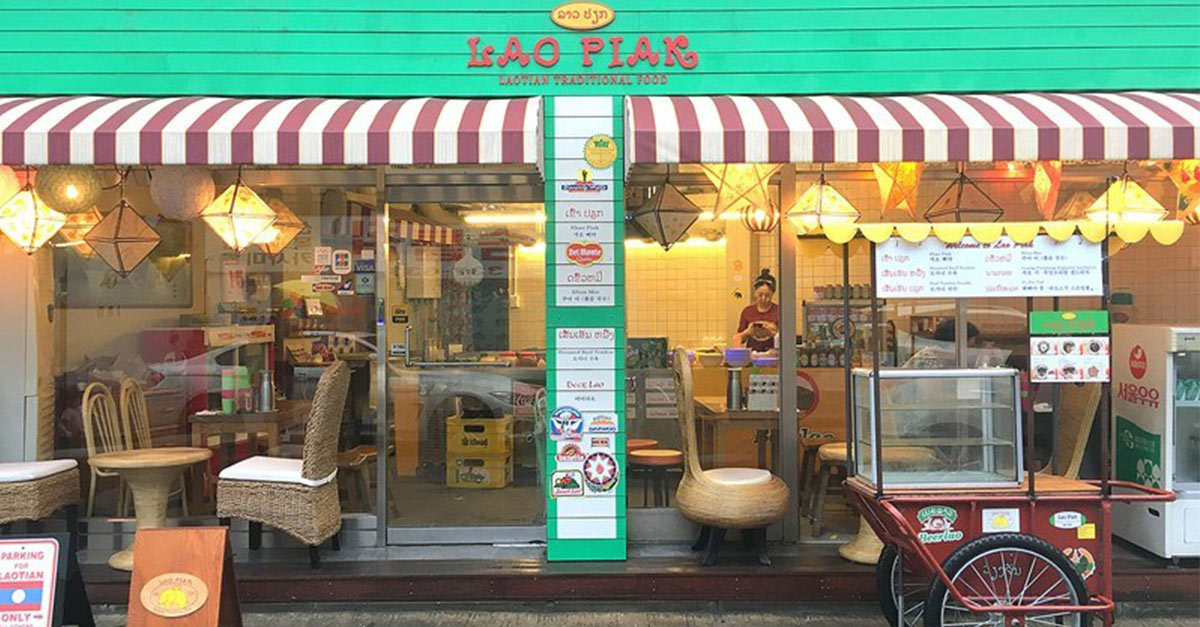
Newly opened Lao Piak is one of only 2 Laotian restaurants in Seoul

Two young women in their early 30s have been close friends since college. Both graduated from high school in Korea and went on to the University of Virginia in the United States, where they first met. When they graduated, they both went into television ― one became a TV presenter and the other a producer at major local broadcasters.

They prepared for the TV jobs together and kept in close touch and traveled together when they started working. After five years in their respective positions, they both quit. 

Kicking their established jobs to the curb, the two women set out on a completely new, risky adventure to open a Laotian restaurant called “Lao Piak” on a tranquil street in Mangwon-dong, Mapo-gu, Seoul. One year into its opening, the restaurant is a success. 
Lao Piak’s beef tendon noodles with homemade chili sauce / Korea Times photo by Yun Suh-young

It all began when the two went on vacation together two years ago to Laos, a country that had been gaining hype on television. 

“We went to Vientiane and Luang Prabang in Laos. It was our first time in the country. We decided on Laos because it was close to Thailand and Vietnam and had similar food. It was also after Flowers Over Youth ended with its episode on Laos. That triggered our interest,” said Chung Hyo-yeol, co-owner of Lao Piak and the former TV presenter. Piak refers to noodles in soup in Laotian.

“After traveling to Laos, we were mesmerized by the country and wanted to introduce Laotian cuisine in Seoul. Three months after the trip, we both quit our jobs and went back to Laos to learn Laotian cuisine from locals. On that trip we included Vang Vieng to the two previous locations and stayed for a month.”

They ended up spending three months in the country on three return trips to learn local recipes.

“It was difficult to find locals in the city to teach us the recipes. They were wary. But those in the countryside were more open. Our recipes are from them,” said Won Sung-hoon, co-owner of Lao Piak and former producer at Olive, a local lifestyle and food cable channel. 
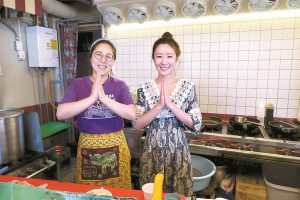
Co-owners of Lao Piak Won Sung-hoon, left, and Chung Hyo-yeol / Korea Times photo by Yun Suh-young

The two’s radical transformation from producer and presenter to chef-owners brought resistance from their families. 

“Mine wouldn’t see me until the restaurant opened. Sung-hoon and I are as close as sisters so we decided to live together above the restaurant. It’s less tiring for us,” said Chung.

“My family is used to my radical transformation due to a past experience _ when I switched from a biology major to becoming a producer. When they heard I was planning to open a restaurant, they were less surprised,” said Won. 

Laotian food is much influenced by neighbors Thailand and Vietnam and vice versa. It also uses a lot of ingredients from the neighboring countries. Laotian staples are steamed sticky rice and larb which is a spicy marinated meat or fish mixture. The papaya salad dish, better known as som tam in the West, is also a Laotian invention. 

“Because of the low quality of beef in Laos due to geographical reasons, they use more pork and chicken. Their noodle soup is popular among Koreans. The noodles are made with glutinous rice, but it’s not the same as rice noodles in Korea. There’s a dish called khao piak which is popular. Khao means rice, and piak is noodle soup,” said Won, who is in charge of the noodle soup, whereas Chung is in charge of anything fried. 

“Our noodles are handmade. We each take turns making them. It’s on limited availability because we can only make a handful by ourselves.” 

The two are the only chefs at the restaurant. In the beginning they did everything from cooking to serving. Now they have a few part-time servers to help out. 
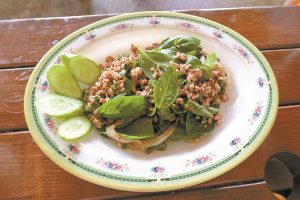
Lao Piak’s pork larb / Korea Times photo by Yun Suh-young

“Here, we create two types of stock ― beef and chicken. We tried for three months to get this right,” said Chung. 

What they learned in Laos is that they like spicy food, contrary to Vietnamese or Thai. 

“We were surprised how much chili sauce they put in the soup ― until it’s red. So we created our own chili sauce,” said Won. “We also want to introduce a dish called Khao poon, a rice vermicelli soup, mostly eaten at weddings. They use coconut milk and ox blood. It might not be liked by Koreans, but we want to introduce foods like this.”

The two didn’t do any marketing but people line up to get a bite. The Laotian Embassy in Korea became a big fan. A contributing factor is the style and decor of the restaurant, which the two put a lot of legwork into.

“We brought in almost everything from Laos ― plates, accessories and decorations and planned the interior concept,” said Chung.

Luckily it caught people’s eyes who were passing by. The street is rather remote from the central hip region, which is why it is surprising that it would attract so many people. 

“A lot of locals started paying visits and now weekdays are packed with locals and weekends with young people from elsewhere.”

Here are some pictures from Lao Piak’s Official Instagram Page.

[ngg_images source=”galleries” container_ids=”32″ display_type=”photocrati-nextgen_basic_thumbnails” override_thumbnail_settings=”1″ thumbnail_width=”100″ thumbnail_height=”75″ thumbnail_crop=”1″ images_per_page=”20″ number_of_columns=”0″ ajax_pagination=”0″ show_all_in_lightbox=”0″ use_imagebrowser_effect=”0″ show_slideshow_link=”0″ slideshow_link_text=”[Show slideshow]” template=”/home/www/wp-content/plugins/nextgen-gallery/products/photocrati_nextgen/modules/ngglegacy/view/gallery.php” order_by=”sortorder” order_direction=”ASC” returns=”included” maximum_entity_count=”500″]
Written by: Yun Suh-Young
Originally published in this  Korea Times article entitled ‘Two female entrepreneurs’ delicious adventure’

Town of Kaysone Phomvihane Officially Declared a City

Kaysone Phomvihane City

The town of Kaysone Phomvihane, capital of Savannakhet Province, has been officially declared a city after the government recently announced the upgrade of three provincial capitals to city status.

A ceremony was held on May 25 to announce the new status of Kaysone Phomvihane City, and to celebrate the one millionth child born in the province.

Prime Minister Thongloun Sisoulith issued three decrees last month approving the upgrade of three districts into cities, including Kaysone Phomvihane of Savannakhet Province, Pakse of Champasack Province, and Luang Prabang in Luang Prabang Province.

In order to attain city status, a district or municipality must have a population of at least 60,000 people, and be financially self sufficient in regard to administration costs.

Kaysone Phomvihane City has a population of 125,76 people. Most households have access to electricity, water supply, telecmmunications, education, and health services.

The annual per capita income of Kaysone Phomvihane City is US$ 2,041.

The ceremony announcing the city’s status was attended by President Bounnhang Vorachit, President of the Lao Front for National Development Xaysomphone Phomvihane, and Savannakhet Governor Santiphab Phomvihane, as well as senior officials, and local people.

Fifth Lao-Thai Friendship Bridge Approved

Photo credit: Thai PBS

The Lao and Thai governments have officially given the green light to the construction of the 5th Lao-Thai Friendship Bridge that will soon link Beung Kan Province in northeastern Thailand to Paksan, Bolikhamxay Province in Laos.

An anonymous source from the Ministry of Public Works and Transport (MPWT)) told local newspaper The Vientiane Times on Tuesday that Lao and Thai officials approved the plans when they met in Paksé earlier this year.

Furthermore, a 6th Lao-Thai Friendship Bridge linking Salavan (Laos) to Ubon Ratchathani (Thailand) is also currently in the proposal stage.

“The two bridges may be built at the same time, but the date of construction will need further consideration,” the MPWT source said.

The 1.6km-long bridge is likely to cost over USD$110 million (3.6 billion baht). Land clearing for the construction of a road heading to the site in Beung Kan province has already started with land along the road being expropriated and landowners compensated. Rubber trees along the route have also been felled for the road construction.

Thai PBS reports that it is likely that construction will begin towards the end of this year.

Once complete, the bridge will serve as a major transport route that will link Thailand with several cities in Vietnam. Departing from Beung Kan Province, it would only take vehicles 150km of travel to reach Nge An Province in Vietnam via Lao National Highway No. 8 through Bolikhamxay. In Nge An, the route then links up with roads to Hanoi, Danang and other cities in Vietnam.

In addition, the new bridge will further permit accessibility to the northern Lao provinces of Xieng Khuang and Huaphan to tourists from Thailand. The bridge will likely provide a further boost to Bolikhamxay’s already fast-growing economy which boats an economic growth rate of 8% last year with a GDP of about 5 trillion kip and average annual per capita income of 17.9 million kip (USD $2,151).

Beung Kan province depends mainly on ferries and boats for goods transport to neighboring countries through the Beung Kan – Paksan border checkpoint. Cross-border trade through this checkpoint came to approximately USD $160 million, according to statistics in 2011. The amount rose to USD $168 million in 2012 and is likely to continue to increase. Around 128,000 people cross the border by boat each year.

About the Lao-Thai Friendship Bridges

There are currently four Thai-Lao Friendship Bridges. Both countries officially opened the first Lao-Thai Friendship Bridge, linking Nong Khai in northeastern Thailand with the Lao capital of Vientiane, on the 8th of April, 1994 (Australian Government aid, USD$30 million construction cost).

The second Lao-Thai Friendship Bridge, linking Mukdahan, also in northeastern Thailand, with the central Lao province of Savannakhet, was opened on the 20th of December, 2006 (low-interest loan from the Japanese Government, construction cost of USD$70 million).

The third Lao-Thai Friendship Bridge, linking the northeastern province of Nakhon Phanom in Thailand with Khammouan province in central Laos, was opened on the 11th of November, 2011 (Thai Government grant, construction cost of approximately USD$60 million).

The fourth Lao-Thai Friendship Bridge links Chiang Khong District of Chiang Rai Province in northern Thailand with Houayxay of Bokeo Province in Laos and was opened at the end of 2013, made possible due to a joint investment by the Thai and Chinese Governments.

Source: Vientiane Times, Public Relations Department Thailand, Thai PBS, Lao Economic Daily

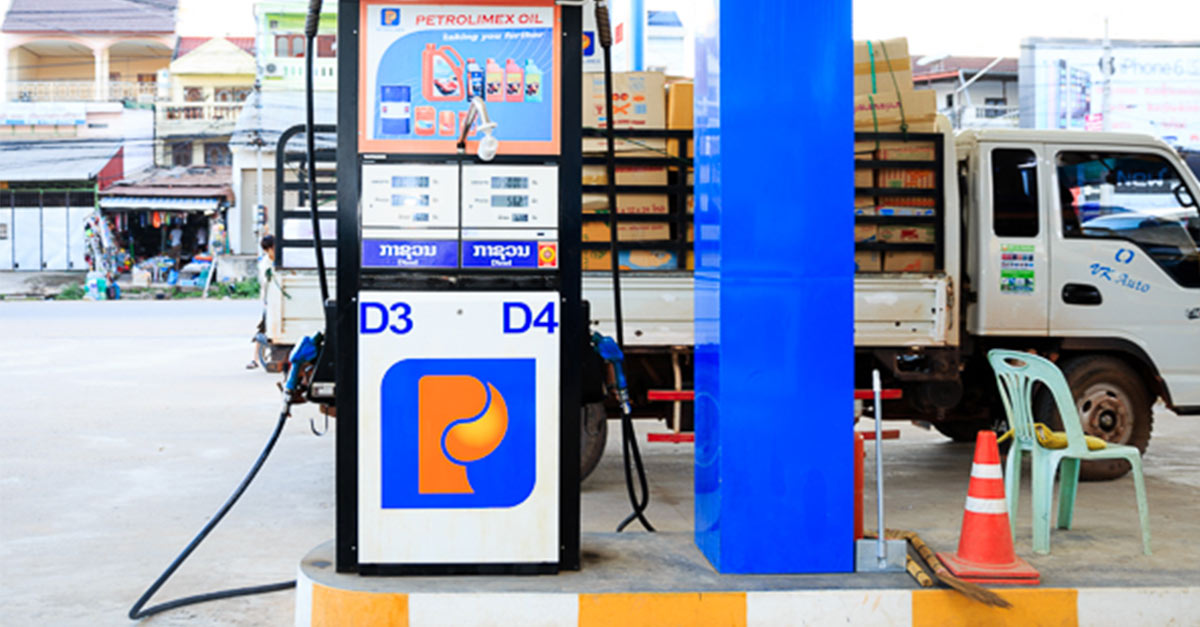
Fuel Prices Rise Again and May Rise Further

The retail price of fuel has just risen again as of Saturday (May 26).

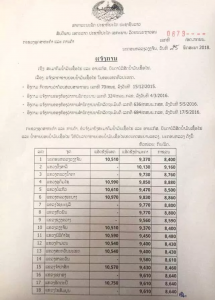
According to a statement signed by the Minister of Industry and Commerce, petrol companies and gas stations across the country must now increase the retail price by 200 kip/liter for premium grade, 100 kip/liter for regular petrol, and 100 kip/liter for diesel.

In the capital city for example, petrol now costs 10,510 kip/liter for premium grade, up from 10,310 kip. One liter of regular petrol sells now for 9,370 kip, up from 9,270 kip and diesel will cost 8,400 kip/liter, up from 8,300 kip. The price change is the seventh since the start of the year. Six of the changes were increases, while one saw the price drop slightly.

Notice from MOIC

A ministry official said the new price hike was in line with the fluctuating oil price on the world market. He urged all parties to take steps to save energy given that Laos is an importing country.

It has been observed, however, that external factors are not the only things driving up prices. Oil companies also incur numerous domestic costs such as higher taxes, government reserve obligations, road maintenance fund fees, e-meter and quality inspection service fees. All of these costs are added to the final retail price of fuel that consumers ultimately pay.

According to the Petroleum and Gas Association, oil firms have to pay 520 kip/liter to the road fund, 100 kip/liter contribution to the state fuel reserve (a recent measure by the government reduced this fee, previously set at 300 kip/liter), 28 kip/liter for e-meter service, and 32 kip/liter for quality checks on imported commodities.

Acting President of the Petroleum and Gas Association Phayboun Phomphaphithak said that the imported price of oil from overseas to Lao markets is 60 cents (USD) per liter, but the retail price within the country is more than US$1 per liter.
An oil expert evaluated the circumstances of various conflicts in the world and surmised that it is possible that oil could go up to 70 to 80 cents (USD) per liter.

It has been noted that the government receives approximately 40 percent of the monetary benefit from the sale of petrol in Laos and the rest goes to the oil companies.

Fuel consumption in Laos has been rising alongside economic growth. In recent years, the demand for oil has risen by 7-10% annually. In 2017, around 1.4 million tons of oil was shipped and supplied to the Lao market.

Source: Vientiane Times, Lao Economic Daily

Government Declares One-Dish Menu Items to Be Priced No More Than 15,000 Kip

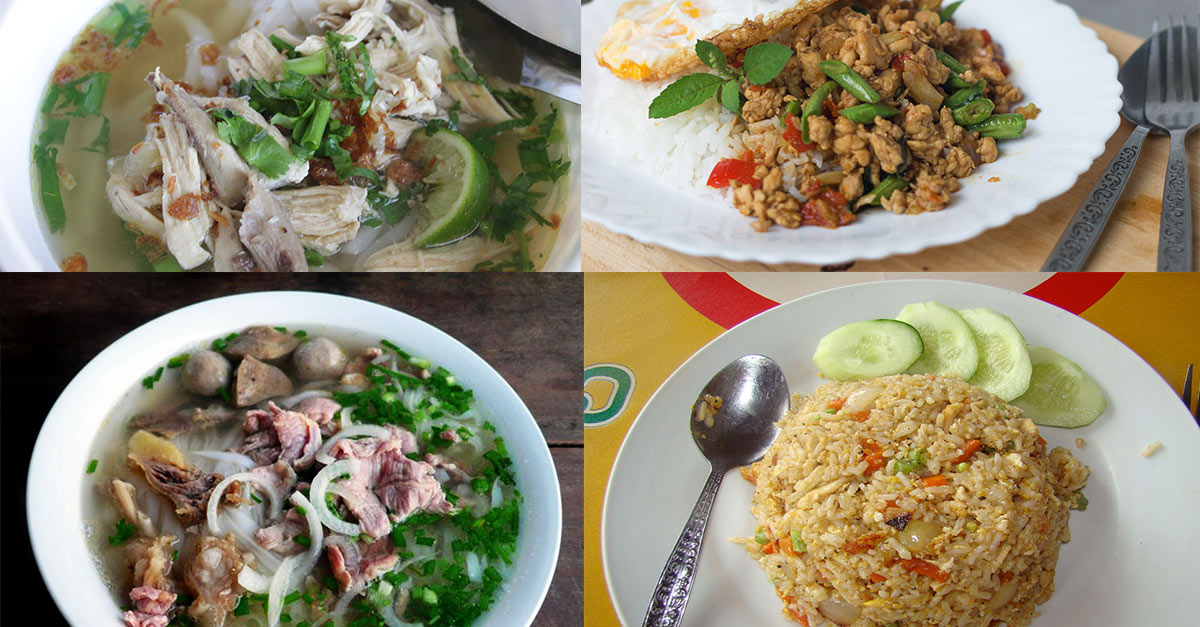
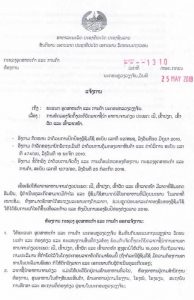
The Ministry of Industry and Commerce has just announced that it will be implementing a new price control policy, in Vientiane Capital, on the following popular menu items in restaurants: pho, kao piek, kao pat, and kao latna.

The notice, dated 25 May, and signed by the DG of the Office of the Industry and Commerce Ministry Bansathi Thepavong, stated that the aforementioned one-dish menus (aharn jarn diew) should not exceed 15,000 kip. In the event that the customer would like a customized dish with extra serving sizes or special items, he/she may negotiate the price directly with the vendor.

The MOIC has asked the Vientiane Department of Industry and Commerce and the Vientiane Department of Information, Culture and Tourism and other relevant bodies to cooperate and ensure compliance among restaurant vendors.

The new policy is part of the government’s efforts to curb inflation and ensure that average citizens are able to pay for food and that food vendors are able to earn a fair profit from their businesses.

Food vendors that need to alter their prices must seek approval from the Vientiane Department of Industry and Commerce, by detailing the costs of their ingredients and materials.

Source: Laopost, Mahason Magazine

Cow and Buffalo Deaths Occur in Vientiane Province

cow and buffalo deaths in vientiane province

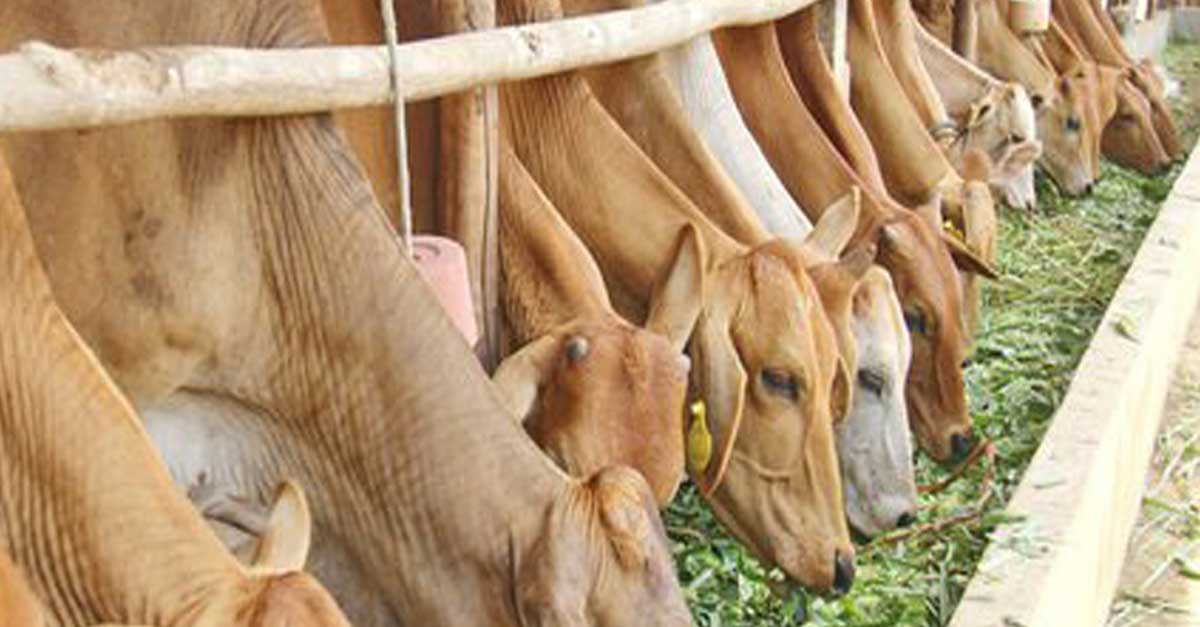
In addition to the cow deaths occurring in Vientiane Capital this month, a number of cattle have now died in several villages in Vientiane Province.

Local veterinarians have been unable to determine the cause of death.

Two cows died in Phonsavath Village earlier this month, while ten more cows were found dead in Sengchalern Village. 13 buffalo were also reported dead in Naxomboun Village.

Experts theorize that the cattle have contracted some form of disease, whether spread from other cattle or other animals is unknown.

The 13 dead buffalo were purchased from a neighboring province, and after being put out to pasture they suddenly began to die.

District Governor Saman Visetyaphong is quoted in a report by the Vientiane Times as saying that residents have been instructed to temporarily suspend the sale of beef, and farmers have been asked not to move their animals in order to prevent the spread of disease.

Meanwhile, local veterinarians and agricultural specialists are investigating sick animals in the province.

Earlier this month, 40 cows died in Xaysettha District, Vientiane Capital, suspected of being poisoned by chemical waste.  Another 80 cow deaths were reported in the same area the previous month.

Endless forms most beautiful: strolling through Laos’ first botanic gardens

There is grandeur in this view of life… and that, whilst this planet has gone cycling on according to the fixed law of gravity, from so simple a beginning, endless forms most beautiful and most wonderful have been, and are being, evolved. (Charles Darwin)

Darwin would doubtlessly revisit these observations if he visited the botanical gardens in Luang Prabang (Pha Tad Ke), themselves evolving from a wilderness at the base of a limestone hill into a stunningly designed verdant environment.

Visiting four years ago, we whizzed by the indistinct muddy river, landing with a gang of young minority farmers keen to learn composting and cultivation techniques, oblivious to the horticulture staff waving frantically and ineffectively as we passed. The embryonic gardens then comprised a collection of compost heaps, teaching spaces and chaotic fledgling nurseries. How things have changed.

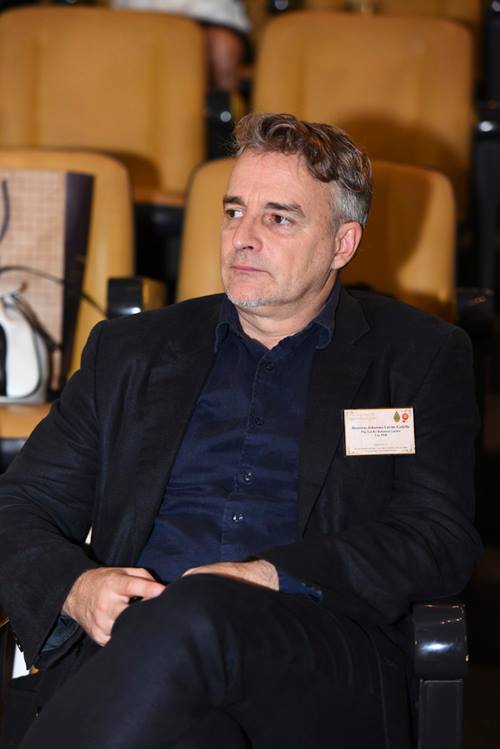
Rik Gadella

Teaching is central to the Garden’s ethos. School and village groups learn nutrition and are given seeds to propagate. While primarily an educational and research facility, Pha Tad Ke offers visitors an informative respite from temples and shopping. Not to mention really fabulous food. Darwin’s appreciation may explain why an art conservator, a man of creativity and design, was drawn to creating a living art work.

“I finally escaped my life in Europe, travelling for the first time in ages. I came to Luang Prabang and found this land,” Rik Gadella, Pha Tad Ke’s founder, tells me.

“I am an organiser by nature. I like getting people together, blending the technical and creative, but it’s been hard. Even now we are not finished. We need funding for pumps and irrigation, a guesthouse for visiting researchers, to add a specialised orchid nursery…” He sighs, all too aware of the enormity of the task. What he has achieved is all the more remarkable for being largely self-funded.

So, why botany? Bryony Smart, a visiting researcher, leading what might be the first long-term site research study of limestone botany, says, “Plants are everything. Think food, clothes, spices, medicines, building materials. Most of our great discoveries have been around plants and their economic potential.”

Laos has some of the last remaining intact areas of limestone karst in the world; vestiges of old sea floors with shell fossils found as high as Phongsaly in the north of the country. It’s natural that Pha Tad Ke’s speciality is limestone botany. International scientists hope the largely inaccessible karst ecosystems remain intact, and are keen to get in and explore what may be the last of these little known universes.

“It should be a matter of great pride to Laos that they have such exciting scientific frontiers. We predict lot of discoveries,” says Smart.

“For instance, being so close to China, we are on the lookout for the critically endangered magnolia grandis. We are afraid this and several other species of magnolias in this region will not survive as the forests are almost gone. We hope to find remnants so we can conserve the species. We have caught the attention of the Queen Sirikit Gardens, Xishuangbanna Gardens in China, the Edinburgh Royal Botanic Gardens and the Singapore Gardens who are helping with research and conservation.”

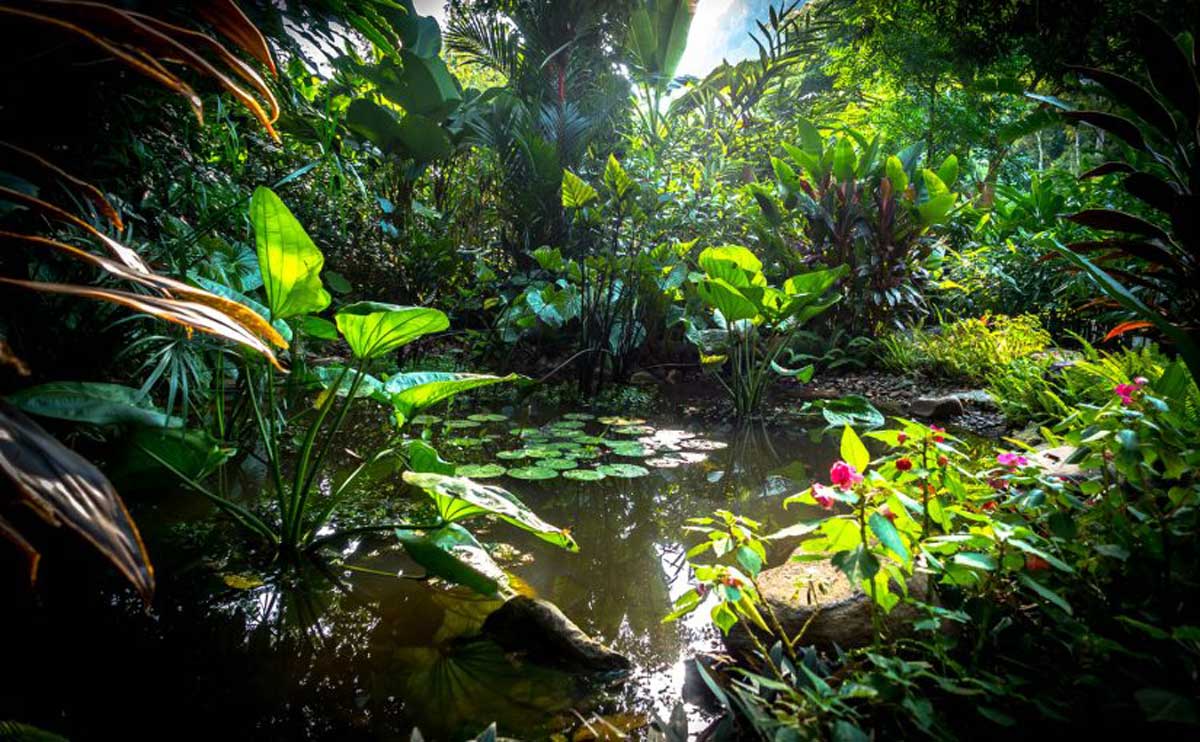
Smart, a tall rangy woman whose voice blends New Zealand with Londoner spice, and her colleague Mr Somdy, agree that science has not been good at communicating with the public. So these gardens give new meaning to informative ethnobotany. Circular consecutive gardens display plants normally used in Laos for human and elephant medicaments, food, flavourings, dyes, and – for those with Lady Macbeth inclinations – poisons. You can take a walk into the golden bamboo cathedrals and hear the sounds of birds and the scurrying of reptiles. Increasingly science is showing us that simply being in the forest is good for our wellbeing. The Japanese call it ‘forest bathing’.

Gadella has bigger dreams. “We hope to attract doctoral students to work with Lao botanical staff to foster more research,” he says. “I want to host events like writers’ and ideas festivals to encourage wider discussions on the environment and its increasing relevance to our changing world.”

At the ai​rport, chatty travellers leaving Luang Prabang were dismayed they had missed the gardens. “Damn. I wish we had been told. Now it’s too late.” Don’t make that mistake. It’s easy to get there.

Phad Tad Ke is a 10-15 minute boat ride from Luang Prabang. The boat leaves the dedicated pier every hour on the hour. The entrance fee is USD25, including the boat. Note that the Gardens are closed on Wednesday. Phone: 071 261000. Find a map at www.pha-tad-ke.com. The office is at the end of the street, the fourth turnoff to the right after Joma.

Note: It may be hard for the disabled to make it down and up the steep banks. Let the staff know if you need assistance.


facebook.com/PTKBotanical

pha-tad-ke.com

Originally Published in: Champa Meuanglao

Photos: Arounothay Khoungkhakoune

Tuborg Open, Diplo & MØ – Stay Open

Tuborg, the Danish lager brand, has announced the return of their successful music campaign Tuborg OPEN, which this year sees global pairing Diplo and MØ exploring musical influences and creating new collaboration tracks with artists from around the world.

Now in its second year, Tuborg OPEN is once again bringing together a group of incredible musicians to create something truly special; a song with one global message but the story told in a different way by each collaborating artist, using their own unique lyrics and reflecting the diversity and unique local culture. Artists from some of Tuborg’s key markets across Asia and Europe will encourage people to be ‘Open To More’ in their own way, emphasising that the power of trust and an open attitude adds value to all our lives.

American super producer and DJ Diplo, who was part of last year’s campaign, returns with Danish rising star and long term collaborator MØ. Together they have created a track, called ‘Stay Open’, with artists from around the world invited to rewrite the verses to tell story of what being ‘Open To More’ means to them.

The global track has just been released, which you can listen to below or on the Tuborg Laos Facebook Page:

Speaking about this year’s campaign, Diplo said: “To be part of Tuborg Open for the second year is really cool. This year Tuborg came to us with the idea of being “Open to More” and MØ and I were already working on ‘Stay Open,’ this track about how so many times people are closed but it’s important to stay open to new people and experiences.

“It fits the campaign perfectly and the artists from around the world are already coming to us with ideas of how they want to change it up and add their own perspective to the idea of staying open which is the really cool bit of the project.”

Danish vocalist and songwriter MØ is excited about the global collaboration process: “For me, the journey you go on to get to the finished product is often the best bit. By being open to new influences, you mix together things that you think will never fit but sometimes, it really works well. I love what you learn and experience from doing that and watching the track you had at the start become something totally different.”

Look out for more surprises linked to the campaign in the coming weeks. If you want to learn more, you can visit: www.tuborgopen.com