Home Blog Page 6324

Launch of the Nakai Plateau Livestock, Agriculture and Fisheries project

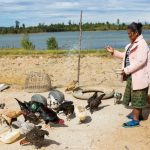
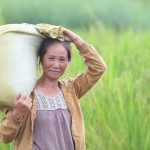
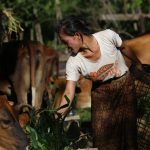
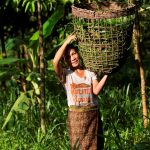
The French Agency for Development (AFD), the Nam Theun 2 Power Company (NTPC), the Khammouane Provincial Government, and the Ministry of Agriculture and Forestry officially launched a 5-year project to support the development of agricultural, livestock and fishing activities on the Nakai Plateau in Khammouane Province. This project aims to sustain livelihoods access for households affected by the Nam Theun 2 hydropower project.

The construction of the Nam Theun 2 dam necessitated the resettlement of 6,289 people living in 17 affected communities on the Nakai plateau. A comprehensive set of compensation and development programs were implemented by the Government of Laos and NTPC to restore the villages’ livelihoods during this period of upheaval. The NP-LAF demonstrates a deeper and broader commitment to long-term development for these communities. The Nam Theun 2 project has brought the once isolated Nakai villages into much closer contact with the wider national economy, which brings with it both
challenges and opportunities.

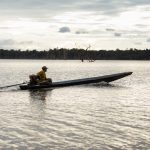
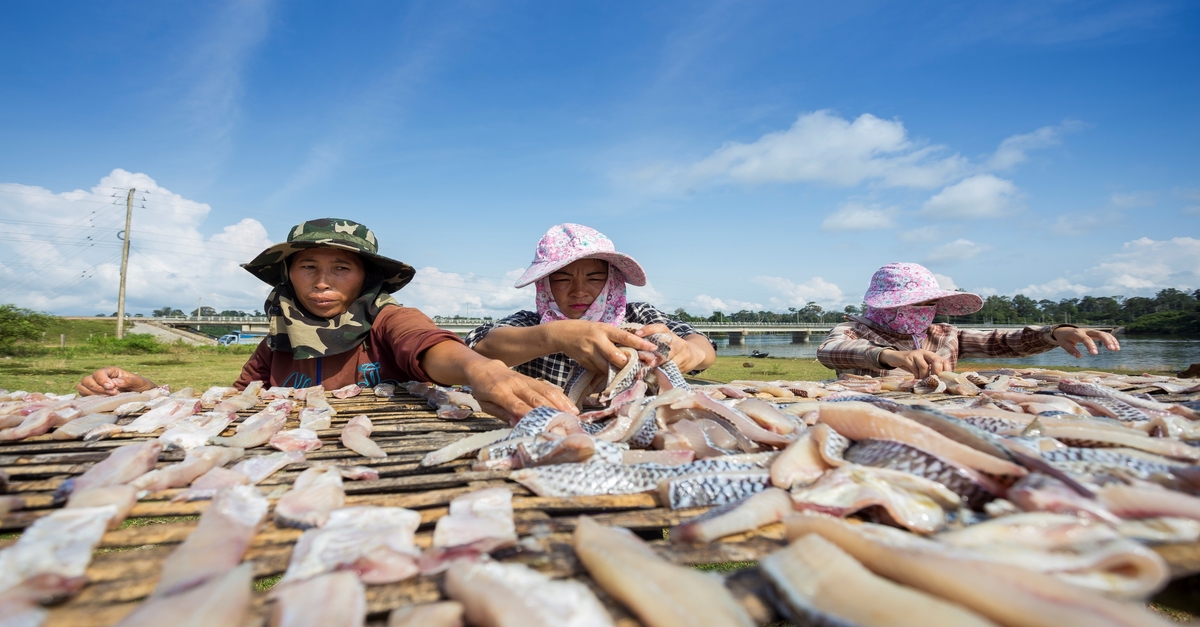
The goal of the NP-LAF is to empower the Nakai villages with the skills to meet these challenges, and take advantage these opportunities. In complement to the achievements of the programs carried out as part of the Resettlement Implementation Period (RIP), the NP-LAF project will focus on developing livelihoods for people involved in farming, livestock and fishing activities. The program will be tailored to the Nakai Plateau’s unique context: its challenges and its opportunities. This includes the challenges of the plateau’s changed environment, the opportunities in terms of fisheries in the man-made reservoir, and the challenges of the plateau’s topography and soils, and both the opportunities and the challenges of the plateau’s innovative community resource management systems.

The project also seeks to help the villagers take charge of their integration into the province’s economy, with a particular focus on the contribution of women. The project will be financed equally by AFD and NTPC for a total grant of Euro 3 million over 5 years. The project implementation is being led by the Nakai District Government, with support from one
consultancy firm and one NGO. IRAM (the Institute for Research and Application of development Methods) is providing Technical Assistance, and the Comité de Cooperation avec le Laos (CCL) is supporting the District Agriculture and Forestry Office to implement the project in the field.

The operational monitoring will be conducted by AFD. According to Mr Frederic Hofmann: “This project is relatively unusual because it brings together the Government of Laos, a funding agency, a consultancy firm, an NGO and a private company. It was a long and difficult journey, but we did it.”

The project is made up of the following four components:
1. Analysis of the plateau’s agricultural potential and the setting out, on a participative basis
through the existing community land management institutions, of plans for land use, land
security, and the possible reallocation of certain areas of land.
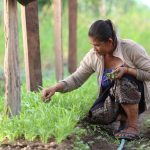
2. Dissemination of agro-ecological practices and development of livestock in order to rehabilitate
soil fertility and increase yields.
3. Improved returns on fish catches (through processing and marketing of fishing products) and
support for the continued involvement of the village fisheries institutions in managing the
reservoir.
4. Capacity strengthening for the Nakai District Agriculture and Forestry Office regarding project
management and innovative approaches. On the occasion of the launch of the NP-LAF Project, a reception was organized at the French Embassy in Vientiane, hosted by Ms Claudine Ledoux, French Ambassador to Lao PDR with presence of Mr
Khammany Inthirath, Minister of Energy and Mines, and Dr Phouangparisack Pravongviengkham, Vice Minister of Agriculture and Forestry, and included representatives from the International Financial Institutions as well as the Panel of Experts (POE), IRAM and CCL.

For more information about the NP-LAF Project, contact AFD at afdvientiane@afd.fr

About NTPC
The Nam Theun 2 Power Company (NTPC) is an industrial and development investment owned by two private shareholders (EDF and EGCO) and the Lao Government, backed by commercial lenders and international financial institutions including the World Bank and the Asian Development Bank. NTPC is dedicated to running a world class hydropower facility while improving the living conditions of people in the areas around the Project. The company is also committed to achieving the highest standard of environmental stewardship and protection of the environment for current and future generations.
The Power station has an installed capacity of 1,070 MW that can generate 6000 GWh of electricity per year. About 95% of the power is exported to Thailand. NTPC is a key company for Lao PDR development and is expected to generate 2 billion US$ in government revenue over the 25-year concession period.

www.namtheun2.com

About AFD
AFD is France’s inclusive public development bank. AFD commits financing and technical assistance to
projects that genuinely improve everyday life, both in developing and emerging countries and in the
French overseas provinces. In keeping with the United Nations Sustainable Development Goals, AFD works in many sectors — energy, healthcare, biodiversity, water, digital technology, professional training, among others — to assist with transitions towards a safer, more equitable, and more sustainable world : a world in common. Through a network of 85 field offices, AFD currently finances, monitors, and assists more than 2,500 development projects in 108 countries.
www.afd.fr
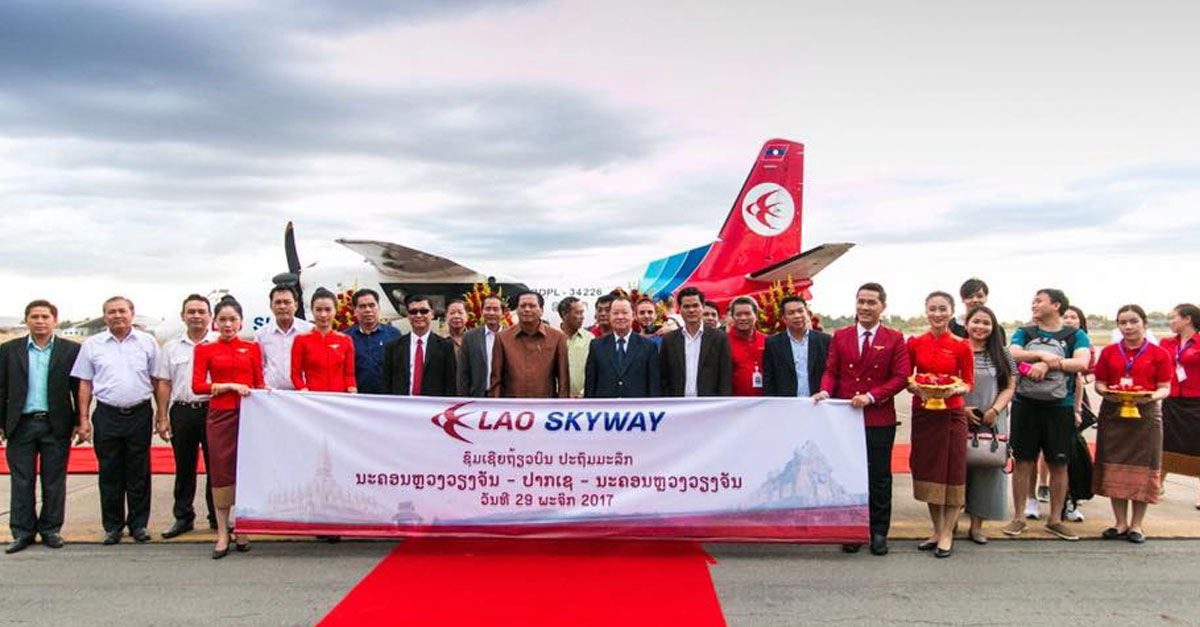
Lao Skyway To Commence Vientiane – Pakse Route

Lao-Skyway-Vientiane-Pakse-Flight

Domestic airline Lao Skyway has added flights from Vientiane to Pakse to its growing number of routes. The airline hopes to accommodate passengers traveling between the two cities, with flights departing every day.

The flight departs Vientiane at 14:50 and arrives in Pakse at 16:20.  Flights then depart from Pakse at 16:50, arriving back in Vientiane at 18:20.

The airline added a large number of northern flights to its routes in 2014, including flights from Vientiane to Luangprabang and Oudomxay. It now offers seven destinations in northern Laos.

Lao Skyway hopes to facilitate the increase of traffic between central and southern Laos with its Vientiane to Pakse route.

For routes, timetables, and other information, visit www.laoskyway.com or contact the call center on 1441.

‘Jigsaw’ Banned In Laos

Jigsaw Banned in Laos

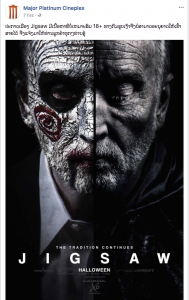
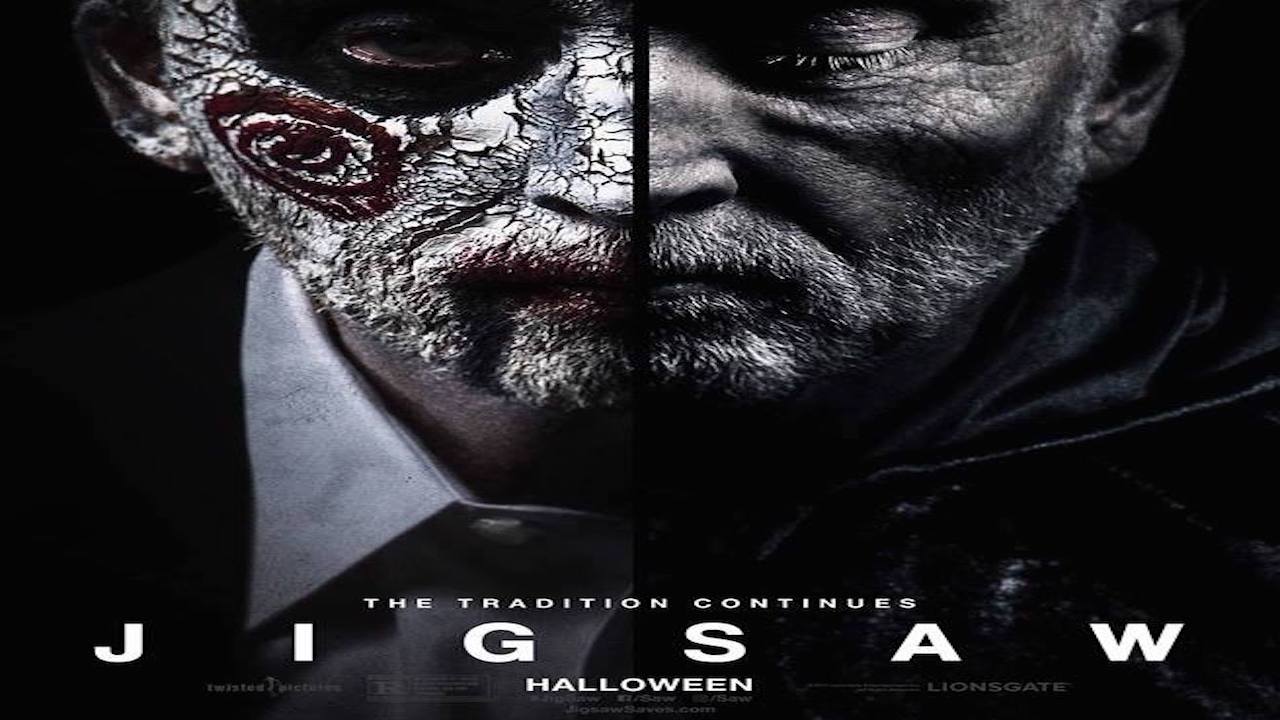
Major Platinum Cineplex recently announced that the showing of the much anticipated horror film, Jigsaw, has been cancelled. The Department of Cinema (Ministry of Information, Culture and Tourism) has deemed the movie to be inappropriate for viewers. This is the second time that the Department has banned a movie from showing in theaters nationwide. Fifty Shades Darker became the first movie to be banned from theaters in February earlier this year.

This has caused much criticism on social media as viewers were looking forward to the 8th installment of the horror series beginning with the acclaimed movie, Saw.

Major Platinum Cineplex Cancels Jigsaw Showing

Lao Magazines Still Relevant, Despite Digital Onslaught

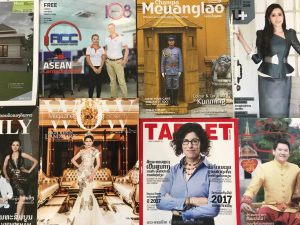
Famous Magazines in Laos

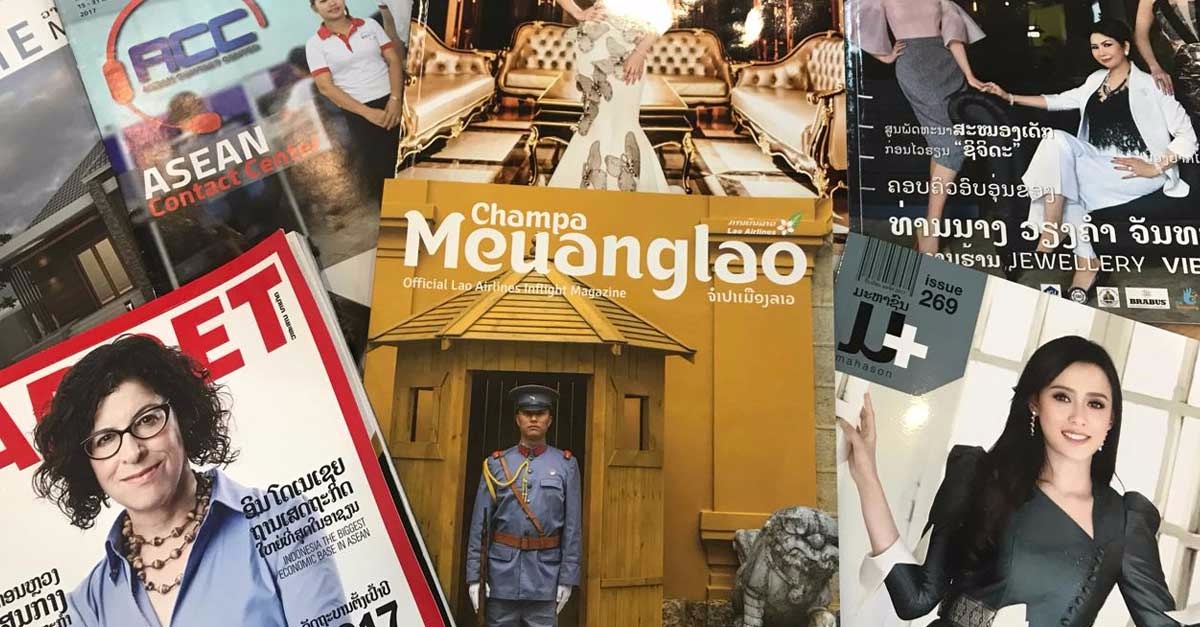
Almost a decade ago, Lao magazines were the hottest thing and a preferred medium for educated and savvy, urban professionals and public servants. Filled with intriguing content, titles like Mahason and Update gained a wide readership among local readers, racing to the top of TOM awareness and thus winning much needed ad revenue support from local and international sponsors.

The Rise of Online

However, with the advent of Facebook and the rise of media and entertainment websites like Tholakhong and LaoPost, coupled with an increasingly tech-savvy population, more and more advertisers are looking to online mediums to spend their marketing budgets.

“Magazines are facing tremendous difficulty in securing sponsor ad revenue because of the digital onslaught. Ninety percent of our revenue is from ads,” says Viroun Sengdara, Managing Director of Sengdara Communications, the publisher of Mahason Magazine. “Facebook’s high and instantaneous reach capability, engagement function and low costs have returned marketing power to individual businesses, big and small. It’s truly enabled firms to create in-house marketing teams to promote their brands on Facebook, Google, Instagram, effectively marginalizing comparatively high-cost print ad mediums like magazines and newspapers.”

“It’s not that our readership has dwindled. Lao people are, more than any other point in history, more content-hungry than ever. It’s the perception among advertisers that everyone – their kids, their colleagues, their customers – are all on their phones, hooked on seductive pictures from Miss Universe Laos’ Instagram Account or the evocative Support Prime Minister Thongloun Facebook Page. It’s not that people are not reading print. It’s that they’re spending more time reading online than offline.”

Magazine Survival

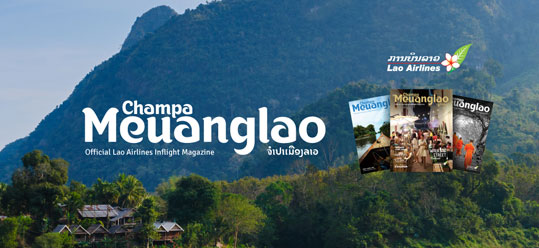
Despite the digital onslaught, some magazines have managed to fare better than most. Champa Meuanglao, the official inflight magazine of Lao Airlines, has had to make several compromises to its business model in order to survive.

Cameron Darke, Senior Partner at RDK Group, the Vientiane-based translation and media company that publishes the inflight magazine, says that by adapting, one can still make ends meet.

“Within six months, we successfully revamped the inflight magazine. We’ve managed to scale down printing significantly – from monthly to bi-monthly.” he says. “We’ve created a beautiful and functional website, providing well-written content in both English and Lao. We have a Facebook Page that shares content from that website. Our stories are published on several online mediums, giving us more digital exposure. Thankfully, we don’t have to invest much in sales and distribution teams.”

Target and Kuanjai, owned and published by K&C Group, were early adopters of the online trend, as they had immediately recognized the need for active involvement in the digital space. Target Magazine has established a reputation as the go-to magazine brand for business information and economic analysis in Laos, while Kuanjai has set itself as one of the authorities in the fashion world.

108 Magazine (previously known as 108Job Magazine) with serial entrepreneur Keovisouk Dalasane at the helm, has solidified its hold on the jobs space since its inception in 2012.

“Initially, 108 magazine was created purely to complement and promote our website, 108.jobs (previously 108job.la). And the magazine has succeeded in doing this and has even created a name for itself. But, we’re slowly but surely beginning to feel the effects of the digital wave. Magazine ad spaces no longer command the same prices as they used to. To be honest, if we did not have a job board and HR services businesses to offset certain costs, I think we would seriously have to rethink pursuing the magazine solely on its own merits. Currently, we are in the midst of finding and probably pivoting to a new model so that the magazine could continue,” says Dalasane.

It is interesting to note that the zealous rise of online mediums has not deterred other magazines from popping up. Wow Magazine, a dual language (Lao and Thai) publication, continues to gather a cult readership with its sensationally provocative fashion covers and spreads. Due to its capable foreign management and connections, it receives a number of advertisers from Laos and abroad.

Lines Magazine, a publication managed by architectural design firm APA Inc., is on a mission to promote the beauty and preservation of architecture, both modern and traditional. This specialized magazine is quite clear on its identity and has received support from a number of advertisers, primarily from the real estate sector.

Sokdee Trendy Magazine, published by Perfect Solutions Entertainment (PSE), focuses on fashion, whose covers are frequently graced by famous Thai and Lao celebrity icons.

One avid reader, Chankeo Orlady, tells the Laotian Times that she still reads both print and online articles at different times and moods and notes the difference between the two.

“Of course I use Facebook. How else would I get my news? I follow most of the Lao FB pages. They’re extremely active and quick,” says Orlady. “I don’t know how accurate, though. But I feel that my friends and I trust whatever is on print more so than what’s written on websites. And I love how it smells and feels on my hands. Online publishers can get away with writing a lot about the things that newspapers and magazines wouldn’t dream of even mentioning because of censorship laws. There’s real accountability with operating ‘tangible publications.’ While none of the local sites would dare say anything too wild, they aren’t subject to the same government scrutiny as their print counterparts are.”

Lao Magazines
Lao Magazines

Is It Still Worth It to Advertise in Magazines?

Recently, many advertisers have shied away from investing in print ads primarily due to their relatively high costs and instead, advertising in digital platforms with lower price tags. However, as veteran freelance magazine journalist, Latsamy Phonevilay, argues that what continues to make print ads relevant is the comparatively undivided attention that readers give to magazine and newspaper content, rather than multitasking like they do when consuming digital content.

“It’s all about consumer engagement when it comes to magazines. People are physically holding the ad in their hands,” she says. “You can touch it, feel it. Magazine readers are generally more receptive and relaxed. This leads to better ad recall after they put the magazine down, which then typically leads to sales. That’s something I directly tell prospective clients.”

Senior Account Manager at Sengdara Communications, Intavath Duangtha notes that advertisers should focus on a comprehensive advertising plan that includes both print and digital ads.

“It’s not about digital being better for the advertiser. Sure, digital has its benefits. But you need a combination of both print and online ads to get your target consumers’ attention. If you only do digital, then you’re missing out on those potential readers who are reading magazines. It ultimately comes down to the type of product and the type of customer you want to reach,” Duangtha says.

Prestige Branding

In Laos, there’s a certain level of prestige that comes with being featured in a magazine. It has become every established businessperson’s (and increasingly – ambassadors, government officials) dream to one day grace the cover of Target Magazine. Every new startup founder and entrepreneur wants to be featured in 108 Magazine. A prospective young girl usually jumpstarts her modeling career by becoming Miss Mahason (the magazine’s much coveted cover girl title). That same girl usually cements her career by appearing in Wow, Kuanjai and Trendy Magazines. And if any of the abovementioned wanted international exposure, their best bet would be to take to the skies with inflight champion, Champa Meuanglao.

While a magazine business won’t make any investor filthy rich, it is more so the prestige factor that makes it worthwhile. Once its reputation has been firmly established, the magazine – whether profitable or not – is kept running for the sake of the brand name and the advertising power with which it carries. In light of this, it is no wonder why magazines are still going.

While the wheels of the digital truck turn at an impossibly fast rate, print media is left behind in the dust. While “slow and steady always wins” may not apply to this race, it is not the end of the line for magazines. The established trust factor, the prestige it carries, and the authentic smell and feel of fresh off the press paper are enough for it to stay in the race. As more and more businesses scramble to compete for online attention, the magazines that are still in print today will continue to stay relevant amidst the world of advertising.

Made For The Movies – The Luang Prabang Film Festival Story

Made-For-the-Movies-Luang-Prabang-Story

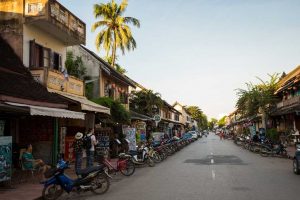
For a tiny town famous the world over for being sleepy and laid-back, Luang Prabang sure does know how to host a festival.

If you’ve ever found yourself there in the midst of Lao New Year, or the end of Buddhist Lent, you’ll know the place can turn it up like no other – being just small enough for a decent crowd to flood the streets with energy and goodwill, transforming the sleepy streets and winding lanes into conduits to the good life.
It’s the perfect place, then, for a film festival. And not just any film festival, but a fast-growing cultural event that has become a touchstone for Southeast-Asian filmmakers, and a crucial calendar event for lovers of film throughout the region.

The Luang Prabang Film Festival is now in its eight year, a highly anticipated regional event that brings locals and tourists the old Royal Capital in their thousands, lured by the concept of a town already saturated in culture playing host to the fascinating creative universe that cinema reveals.

“It was clear from the beginning that Luang Prabang would be a perfect place for a festival like this,” says Gabriel Kuperman, the festival’s founder and director.

“The town is teeming with culture, interesting architecture, and natural beauty. It’s small and intimate, allowing for visitors to get between venues with ease, and to feel the energy of the festival wherever they are.”

When he refers to “the beginning”, Kuperman is really alluding to the time when he, like many an expat before him, made the transition from tourist to resident. Born in Washington DC and formerly a resident of New York City, he finished his studies in 2008 and headed off on the obligatory southeast-Asian jaunt with a friend. After a long sojourn in Thailand, he planned to take in Laos, Vietnam and Cambodia alone before returning to the US to get on with whatever life as a Media Studies graduate had in store for him. But, after three days in Vientiane, he never made it further than Luang Prabang.

“I thought I’d be here for another three days as well, and those three days turned into three weeks, and then three months,” he says.

“I never thought I would leave New York. I wasn’t looking for a place to move to, it wasn’t even on my radar.”

That’s what they all say. It’s almost impossible to describe the allure of Luang Prabang, in a world filled with quaint historic towns. But at some point, Kuperman decided to make a permanent move. He found a job at a tourism company, entrenched himself into the local life, and almost instantly started planning to set up a film festival.


He approached the Lao Department of Cinema, which operates under the Ministry of Information, Culture and Tourism, with the proposal of a two-pronged mission.

“One was to help develop the local Lao film industry, and the second to create a space for South-East Asian filmmakers to meet, connect, talk about the individual film industries in the region and then a more cohesive south-east Asian film industry,” he says.

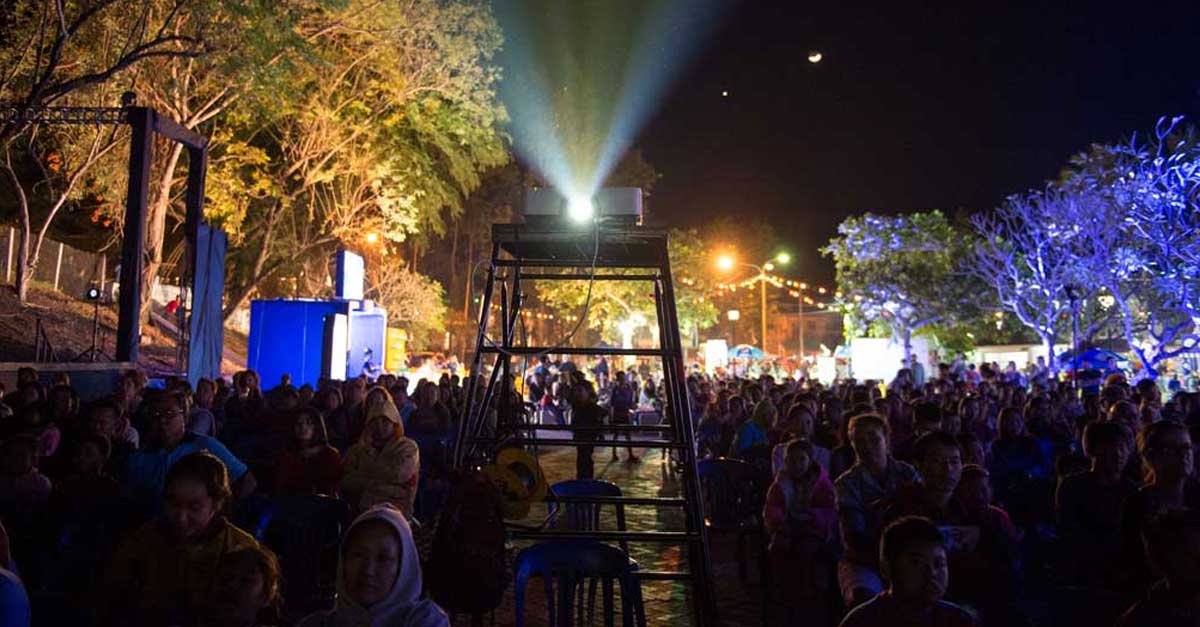
Nine years down the track, and the festival, run as an official Lao Government project, has retained the exact same concept as when it started, showing films from all of the 10 ASEAN countries, with a bursting program of screenings, lectures, workshops and concerts over six days.
And, most importantly, and unusually, for a film festival, the entire event is free and open to all.

“We want Lao people to be able to participate in anything that they want to participate in,” he says.

“We’re doing this in Laos [where] people don’t have a lot of disposable income, and I want it to be as open as possible for them.”

Kuperman and his team run the festival as a not-for-profit event that runs entirely on sponsorships and donations, and while some of the sponsorships are lucrative – BeerLao, Coca-Cola – the event has no endowment or enduring source of income.
Getting it off the ground each year means starting from scratch, although that helps that Kuperman himself has become something of a local celebrity – known to many on Facebook as Falang Seu Somchan.

The persona was born, he says, as a way of connecting more Lao people to the festival, and turning it into a local event rather than an experience only foreigners would appreciate. And if there’s one thing most Lao people appreciate, it’s a foreigner who speaks their language.

And not only speaks, but posts videos about his life and travels, linking always back to the festival.

“I felt like I wanted a better way to connect Lao people to the film festival and the work that we do in terms of our educational activities and workshops and those kinds of things,” he says.

With Around 225,000 followers, it’s undeniable that this page has helped attract both sponsors and visitors to the festival.

This year’s event promises to be bigger than ever, with more than 30 films in the program carefully curated by Kuperman and a team of cinema experts from each country represented, as well as a local selection committee.
“[The expert] is either a producer or a critic or a journalist or an academic, someone who knows the history of the film in that country, the present atmosphere and the potential for film in that country,” he says.

The festival has helped put Luang Prabang on the map for more than just its physical charms, although these are integral to the event’s success.

“Each year, as the festival has grown, with more regional filmmakers attending, participating, and contributing, it has made a bigger impact on the more cohesive Southeast Asian film community. It has filled a creative – almost spiritual – need for the region’s filmmakers to connect and dialogue in a non-competitive, nurturing space.”

Five Films Not to Miss at the 2017 Luang Prabang Film Festival: 

Burma Storybook (Myanmar)
Directors: Petr Lom & Corinne van Egeraat
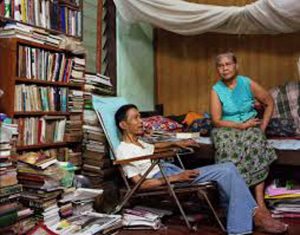
Burma Storybook is a creative documentary about a country emerging from years of dictatorship, told through Burmese poetry. The film circles around the story of the country’s most famous living dissident poet alive, as he waits for his long-lost son to return home. 


Father and Son (Vietnam)
Director: Luong Dinh Dung Ca is a young boy who lives with his father in a mountainous area. Ca dreams of reaching the nest of what he thought is a huge bird in the sky (which is actually an airplane) and climbing to the top of the tallest building in an unknown city. Suddenly, Ca contracts a disease that seems to threaten his life. Hence, the father and son start their journey to the city.
Jailbreak (Cambodia)
Director: Jimmy Henderson
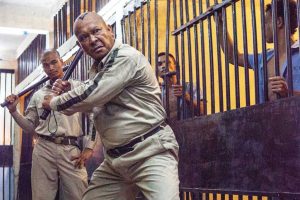
A group of Special Task Force Officers are sent to Prei Klaa prison where the country’s top criminals are detained. What starts as a simple escort mission will soon turn into chaos as the prisoners take over the prison grounds. Trapped in the building, our four heroes will have to fight their way out for survival, or die trying.

Santi-Vina (Thailand)
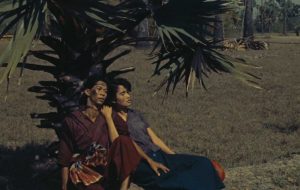
Director: Thavi Na Bangchang Produced in 1954, then considered lost for over sixty years, Santi-Vina was discovered and restored by the Thai Film Archive in 2016. In the film, Santi, a 10-year-old blind boy, lives with his poor father. He has his best friend, Vina, who protects him from bullying by a naughty Krai. Santi’s father gives him to a respectable monk, Luang Ta. Then, he can be taken care of by Luang Ta as well as Buddhist lessons. He can commit good karma in the hope for curing his eyesight. When they are grown up, Santi and Veena are lover. Krai feels jealous because he also likes Vina. Krai asks his parent to make the marriage proposal to Veena. While her parents agree, Vina decides to run away with Santi.

Saving Sally (Philippines)
Director: Avid Liongoren
Marty is an aspiring comic-book artist who is secretly in love with his best friend, Sally, the gadget inventor. Like every love story, there are complications: Sally has monsters for parents and an incredibly obnoxious boyfriend, while Marty has the innate ability to do nothing about everything despite his vivid fantasies of defending the love of his life from the big bad world.


Champa Meuanglao
Written by:  
Sally Pryor
Photos: Phoonsab Thevongsa
Originally Published in: Champa Meuanglao,  official Lao Airlines in-flight magazine, 2017 November-December Edition

Phongsavanh Group to Hold Share in Khonkaen Airlines

Khonkaen Airlines

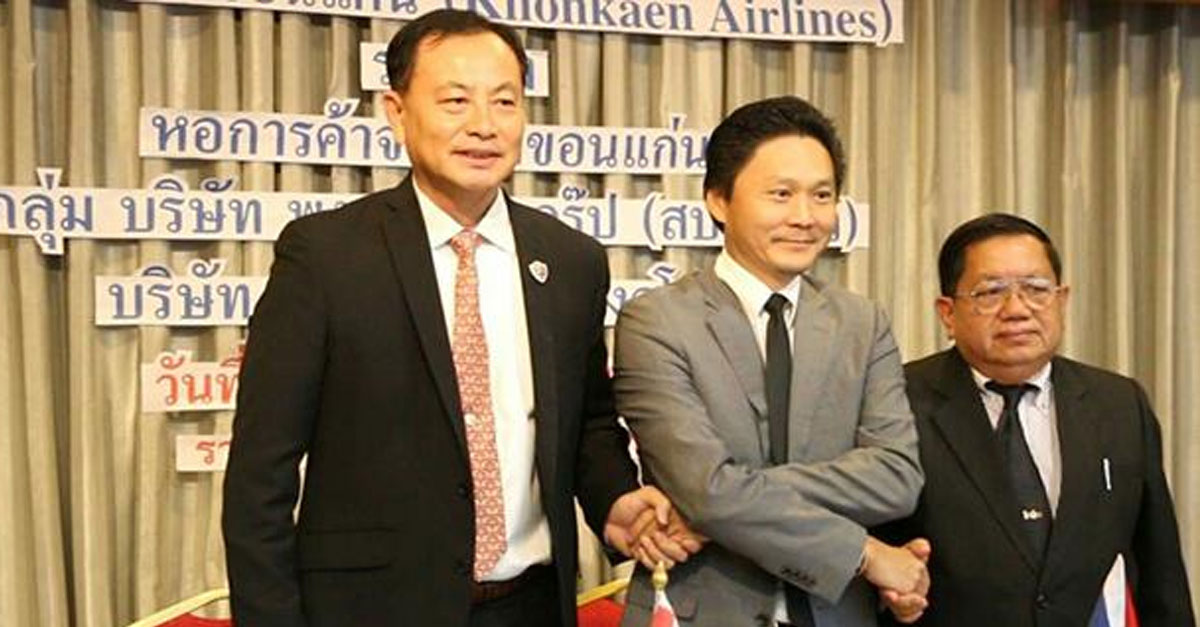
Khonkaen Airlines could become a reality if a three-way joint venture between Phongsavanh Group of Laos, Mekong Group from Singapore, and the Khon Kaen Chamber of Commerce comes to fruition.

A memorandum of understanding has already been signed between the three groups for a study which will be undertaken to ascertain the feasibility of establishment of the airline. The study should be completed within the next six months.

While the airline will be registered in Thailand, according to the Khon Kaen Chamber of Commerce, Phongsavanh Group, which previously operated Lao Central Airlines, would provide the aircraft. Boeing 737-800 MAX and 777-300 are the likely candidates for passenger craft.

The Khon Kaen airport already sees approximately 1.5 million passengers each year, with a number of foreign airlines interested to make use of the city.

Future routes by Khonkaen Airlines are expected to include destinations in the Mekong region, as well as China and possibly other parts of Asia.

Source: Bangkok Post

OnePay Kicks Cash to the Curb in Laos

OnePay

Cash is king in Laos, but the crown might soon be toppled as OnePay sparks a revolution.

Walking the streets of Laos with a pocket full of cash can be cumbersome at best, and we’ve all experienced that moment of dismay when the ATM dispenses a massive stack of 20,000 kip notes! Well, that feeling could well be a thing of the past now that OnePay has arrived, and it’s kicking cash to the curb!

Banque Pour Le Commerce Exterieur Lao Public (BCEL) already revolutionized banking in Laos by launching its life-changing BCEL One mobile app, which allows customers to transfer funds between accounts, pay utility and phone bills, pay taxes, and more, right from their own mobile phone.

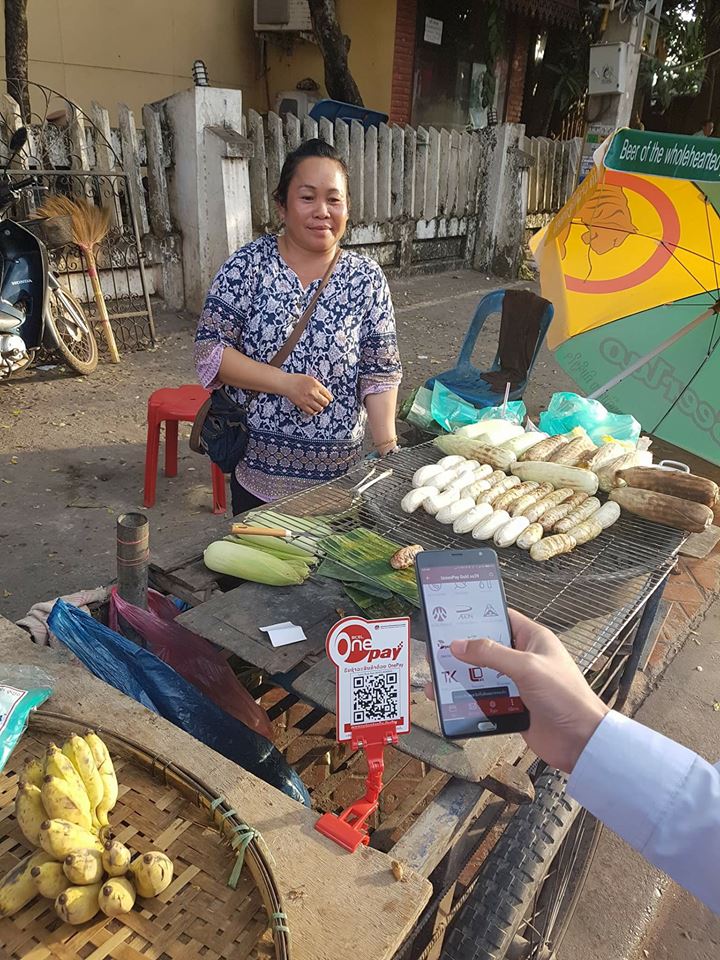
Now, the bank has done it again with the launch of OnePay, an application allowing users to pay anyone, anywhere, directly from their account by simply photographing a QR code. The cost of goods and services is then deducted directly from the user’s account, and deposited in the vendor’s account, eliminating the need for cash altogether. The system its fast and convenient, and best of all means your wallet will be a lot lighter.

Try it out – go bananas!

OnePay bananas

Source: Lao Post

Luang Prabang Film Festival Selects 10 Projects for 2017 Talent Lab

28 November 2017 — The Luang Prabang Film Festival (LPFF) has selected 10 projects from across Southeast Asia to participate in its 2017 Talent Lab, to be led by Tribeca Film Institute® (TFI). The Lab, which will focus on grant writing and project pitching, will be held during the opening weekend of the eighth annual festival, which will take place 8-13 December 2017.

LPFF is a yearly celebration of Southeast Asian cinema held in Luang Prabang, a UNESCO World Heritage town in northern Laos that lacks a single working movie theater. With inclusivity as core to its mission, all festival events are free and open to the public.

The 10 selected projects, which are in various stages of production, come from six countries from the ASEAN region: Indonesia, Laos, Malaysia, Myanmar, the Philippines, and Thailand. The pool is equal parts documentary and narrative features, with five projects of both genres participating. Attendees taking part in the Talent Lab will include directors, writers, and producers behind the films.

The participating projects include:

  • Autobiography (Indonesia), represented by Makbul Mubarak (director) and Yulia Evina Bharas (producer)
  • Bai Bibyaon, Lady Warrior of the Lumad (Philippines), represented by Cenón Obispo Palomares (director, writer)
  • Cat Island (Philippines), represented by Siege Ledesma (director, writer) and Ang Alemberg (producer)
  • Doi Boy (Thailand), represented by Nontawat Numbenchapol (director, writer)
  • Going Straight (Philippines), represented by Kristoffer Brugada (director)
  • It Wasn’t an Accident (Myanmar), represented by Soe Moe Aung (director)
  • Luzviminda (Philippines), represented by Inshallah Montero (director)
  • Raising a Beast (Laos), represented by Xaisongkham Induangchanthy (director, writer) and Abigail Lazaro (producer)
  • Song of the Homeland (Thailand), represented by Preecha Srisuwan (director, cinematographer)
  • Wilderness (Malaysia), represented by Nadira Ilana (director, scriptwriter)

Building off the first iteration of this Talent Lab in 2016, this year’s Lab will be expanded to two days, and include a pitching workshop and pitch forum with feedback from a panel of film professionals. A jury will select one project from the forum to attend the TFI Network market at the 2018 Tribeca Film Festival® (18-29 April 2018).

Hosted annually by TFI, the industry market gives filmmakers the opportunity to build connections with a wide range of industry insiders who can potentially help them advance their projects.

TFI will then mentor the winning filmmaker or filmmaking team through the completion of the project. All participants in the Talent Lab will also receive preferential consideration for any of TFI’s grants.

In addition to the opportunity to attend TFI Network, participating filmmakers will have the chance to win a financial award to produce their film. Through the Aurora Producing Award, Singapore-based media investment firm Aurora Media Holdings will contribute $10,000 to one film project.

Founded by Justin Deimen, Terence Kong, and Jeremy Sim, Aurora Media is one of Southeast Asia’s leading media and entertainment asset incubation, investment and management specialists.

“We’re looking at the Talent Lab to bring new voices and vision to the filmmaking landscape in the region,” says Deimen, Group Managing Partner at Aurora Media Holdings. “Stories that challenge perceptions, yet with strong commercial leanings and an artistic core always interest us. Our hope is that we can support and create frameworks that will develop and grow this ecosystem.”

To read more about the Luang Prabang Film Festival, visit www.lpfilmfest.org.
___________
All Luang Prabang Film Festival press enquiries:
Eliza Mott: eliza.mott@lpfilmfest.org / +856 (0)20 5970 1159

LPFF Background:
Founded in 2009, the Luang Prabang Film Festival (LPFF) is an annual celebration of Southeast Asian cinema held every December in the UNESCO World Heritage town of Luang Prabang, Lao PDR. LPFF is a not-for-profit project that fosters cross-cultural dialogue within the region and supports the burgeoning film industry in Laos. Throughout the year, LPFF organizes a range of cultural events and educational activities, from film screenings to workshops for amateur Lao filmmakers. LPFF also manages the Lao Filmmakers Fund, a publicly-generated granting system that helps local artists realize their film projects.