Home Blog Page 91

IPEC Successfully Holds NPO Standards Industry Summit, Aiming to Build a Robust International Standards Ecosystem


Key Messages:

  • The NPO Standards Industry Summit brought together global standards and industry giants, who reached a consensus on international NPO standards, laying a solid foundation for the industry upgrade and large-scale commercial use of NPO.
  • Multiple vendors from countries like China, the US, and Japan held a joint exhibition of connectors, NPO modules, and switches, strengthening industry confidence in building an open and prosperous NPO ecosystem.

PARIS, FRANCE – Media OutReach Newswire – 10 September 2026 – On September 10, the NPO Standards Industry Summit, co-hosted by IPEC and OIF, was held at the Shenzhen World Exhibition & Convention Center. The event was attended by top players from across the global industry chain, including experts from OIF, CAICT, Tencent, Alibaba Cloud, Baidu, Huawei, Broadcom, SENKO, Amphenol, and Yamaichi. The summit focused on NPO evolution and international standards development, with in-depth discussions being held on topics like ecosystem upgrade and industry chain collaboration. Ultimately, a consensus on international NPO standards was reached at the summit, laying a solid foundation for the industry upgrade and large-scale commercial use of NPO.

1 (19).jpg

Dr. Zhao Wenyu, Vice Chairman of IPEC and Deputy Director of the Technology and Standards Research Institute of China Academy of Information and Communications Technology (CAICT), emphasized: “As SuperPoDs continue to expand in scale, traditional optical modules are consuming huge amounts of energy, and co-packaged optics (CPO) faces constraints like a closed industry chain and complex operations and maintenance. In contrast, near-packaged optics (NPO) – with its excellent energy efficiency, a favorable trade-off in port density, and strong compatibility with existing pluggable ecosystems – is expected to become the preferred solution for SuperPoD interconnect in the near term, and coexist and evolve alongside CPO and other solutions in the long term. We call upon stakeholders across industry, academia, research institutions, and user groups, to join hands in developing NPO standards and driving the NPO ecosystem to evolve from ‘usable’ to ‘easy-to-use at scale'”.

Jiang Zhibin, the Optical Network Architect at Tencent, highlighted: “As SuperPoDs expand in scale and GPUs and switch chips increase their SerDes data rates, optical interconnect solutions will advance more rapidly towards 6.4T NPO.” Looking ahead, there is an urgent need to use opto-electronic collaborative design to overcome the challenges introduced by advanced packaging processes.

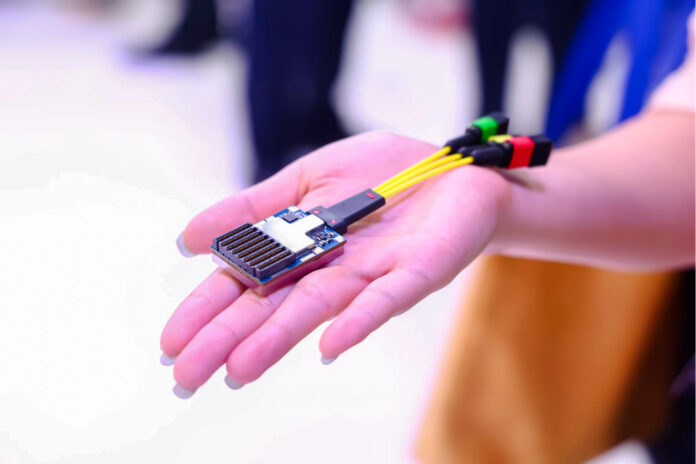
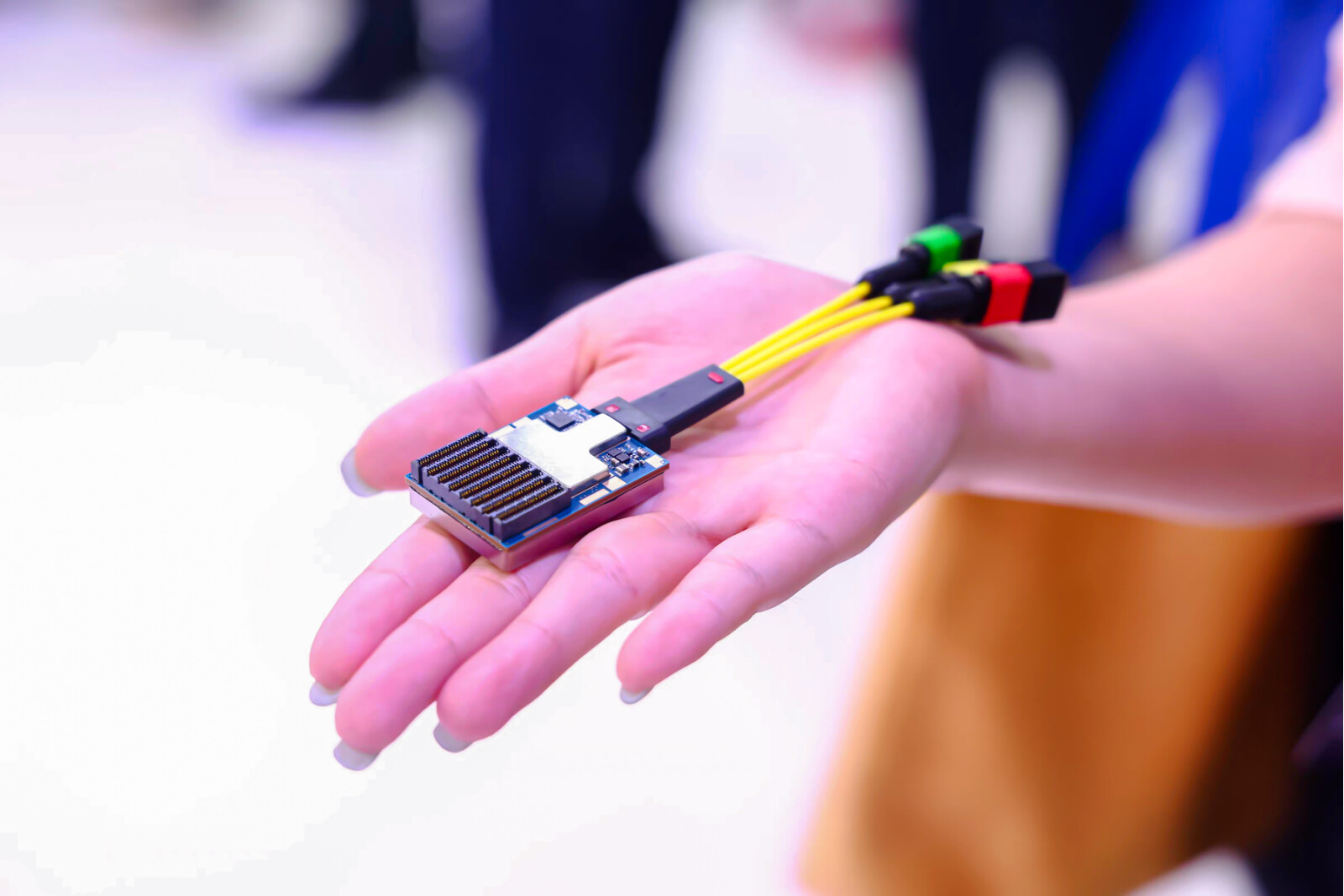
Dr. Man Jiangwei, Director of the Advanced Opto-Electronics Laboratory at Huawei, stated: “In exploring the optimal interconnect solution – NPO – for SuperPoDs, Huawei has launched the industry’s first high-bandwidth 7.2T NPO product and successfully conducted a demonstration of dynamic transmission at the IPEC exhibition booth. Furthermore, with the introduction of key technologies like built-in light sources and highly-integrated SiPh chips, this NPO product features ‘high bandwidth, high reliability, and high availability’ while achieving ‘low latency, low power consumption, and low cost’.”

2 (6).JPG

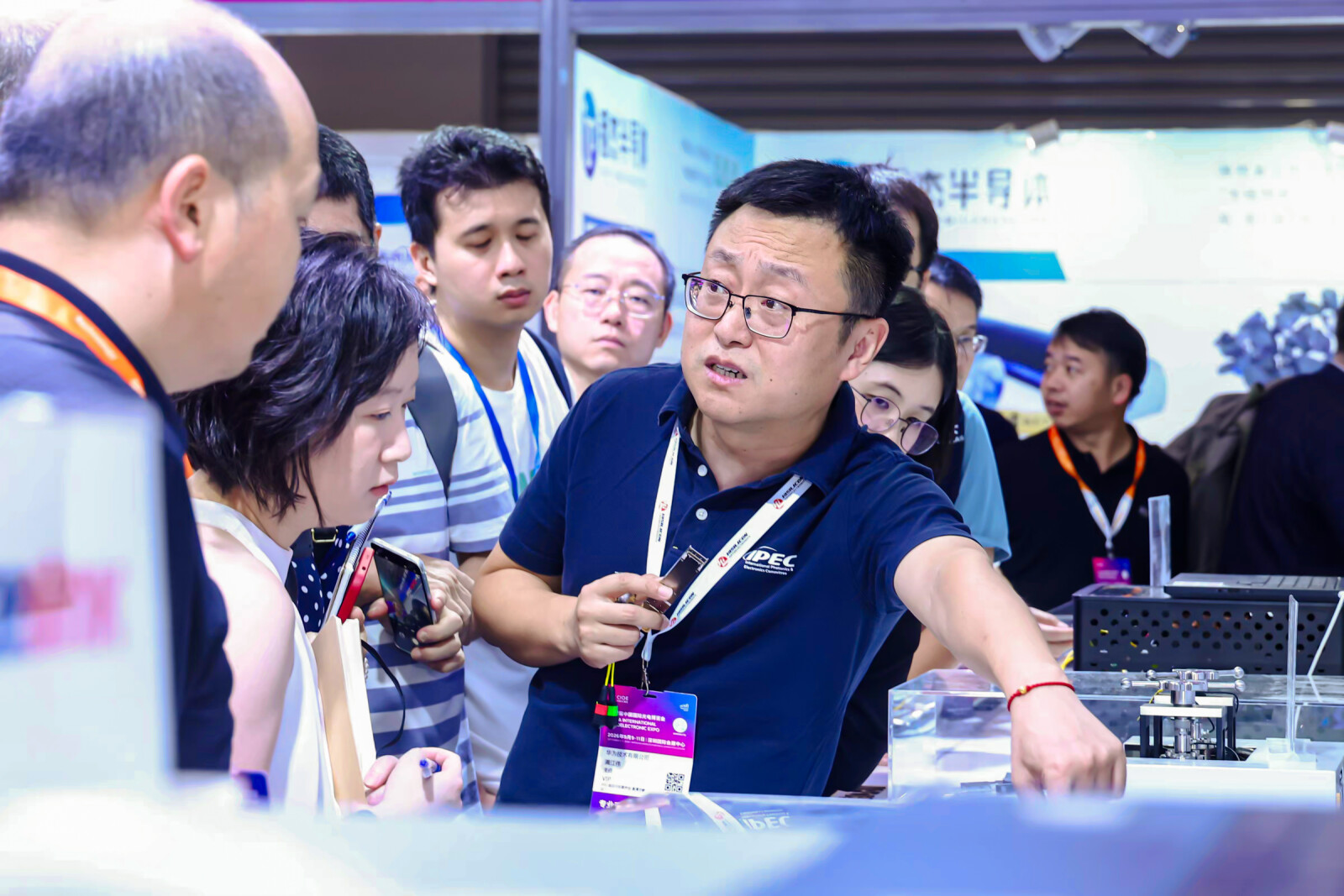
Meanwhile, at the China International Optoelectronic Exposition (CIOE), the IPEC booth showcased the latest achievements of the global NPO industry chain, particularly those from the US, Japan, and China. The display showcased high-density connector solutions from leading vendors in the US and Japan, as well as the NPO modules of various capacities developed by multiple Chinese vendors, alongside several NPO switches, demonstrating a high level of commercial maturity.

The success of this summit and exposition marks a milestone for the development of the global NPO industry. At the summit, a consensus was reached on international NPO standards and the paths for collaboration between standards organizations and the industry chain were streamlined, laying a solid foundation for the large-scale commercial use of NPO. Furthermore, the joint exhibition of industry ecosystem products has strengthened industry confidence in building an open and prosperous NPO ecosystem.

Hashtag: #Huawei

The issuer is solely responsible for the content of this announcement.

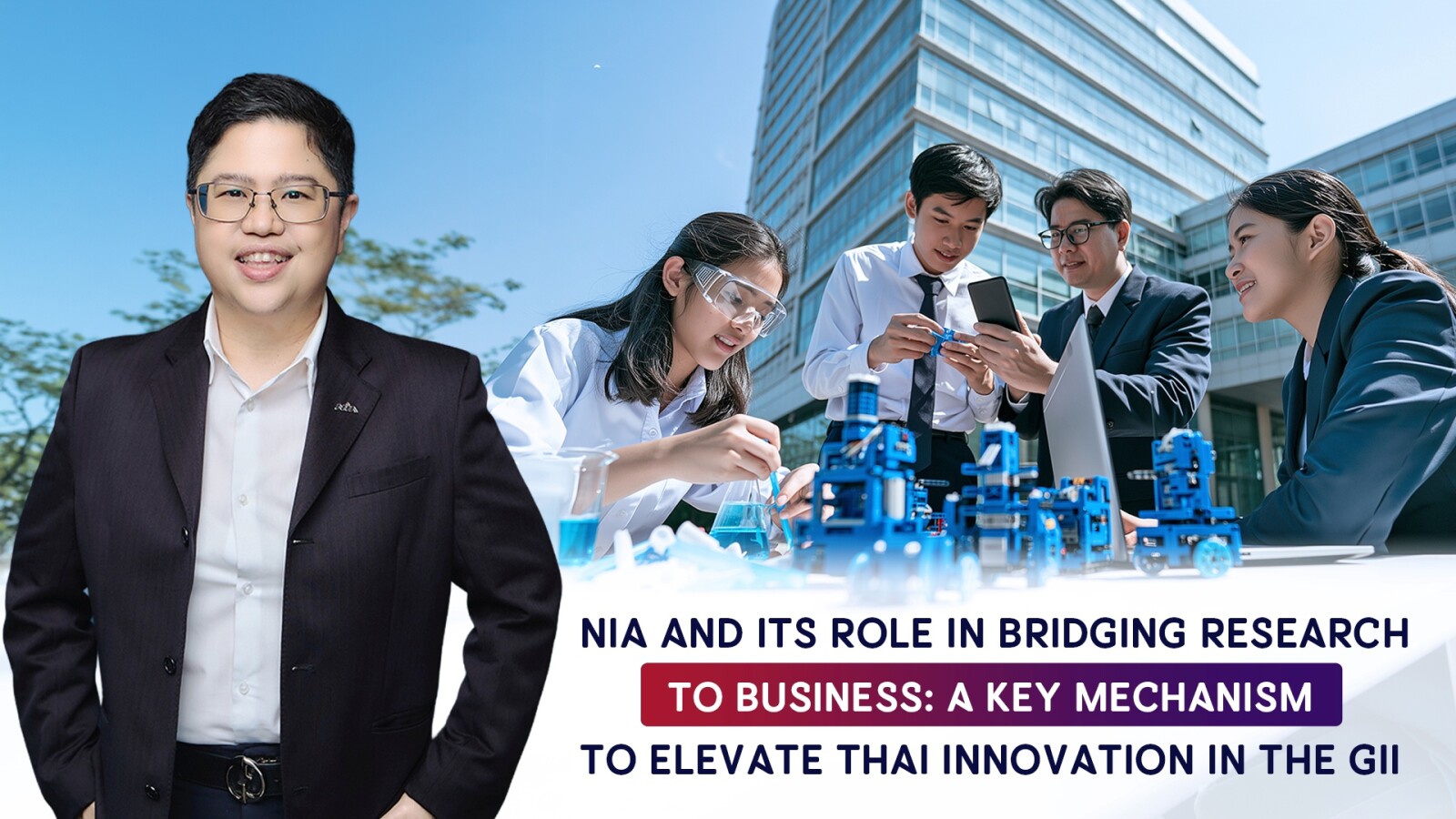
NIA and Its Role in Bridging Research to Business: A Key Mechanism to Elevate Thai Innovation in the GII

BANGKOK, THAILAND – Media OutReach Newswire – 10 September 2026 – In a world where economies are driven by knowledge, technology, and creativity, “innovation” has become a vital factor in boosting national competitiveness worldwide. One of the internationally recognized benchmarks for evaluating innovation potential is the Global Innovation Index (GII), published by the World Intellectual Property Organization (WIPO) in collaboration with international network partners. The index measures and compares the innovation capacity of countries around the globe across various dimensions, including R&D investment, infrastructure, education, business sophistication, technology, and innovation outputs.

NIA and Its Role in Bridging Research to Business

According to the GII 2025 report themed “Innovation at a Crossroads,” the global innovation system is reaching a critical turning point. This comes amidst rapid advancements in emerging technologies—such as Artificial Intelligence (AI), clean energy, biotechnology, and digital systems—while nations simultaneously navigate economic challenges, technological competition, and geopolitical shifts.

Thus, the GII serves as more than just a national ranking; it is a crucial tool that reflects the strengths, weaknesses, and potential of each country’s innovation ecosystem. Thailand is ranked 41st globally and continues to perform above expectations relative to its economic development level (Innovation Overperformer) within the upper-middle-income group. The nation shows strong innovation potential, particularly in digital infrastructure, innovative business development, and the linkage of knowledge between academia and industry.

This ranking highlights Thailand’s progress toward an innovation-driven economy through the promotion of research and development, support for innovative entrepreneurs and startups, and the strengthening of the national innovation ecosystem. Key organizations like the National Innovation Agency (Public Organization) or NIA play a pivotal role in bridging collaboration among universities, the private sector, and government agencies to ensure research and technology are commercially deployed.

One of the key innovation indicators in the GII is “University–Industry R&D Collaboration,” which reflects the depth of joint research and development between academic institutions and industrial sectors—a fundamental driver for creating innovation and sustaining long-term national competitiveness.

Dr. Krithpaka Boonfueng, Executive Director of the National Innovation Agency (NIA), explained that the NIA acts as a crucial “Innovation Intermediary” among academia, private enterprises, government sectors, and financial institutions. Its mission is to facilitate the translation of knowledge, research, and technology into tangible commercial and social benefits. Currently, Thailand’s main challenge is not a shortage of research, but rather the “gap” between academic research and its industrial application. Many university research projects possess high potential but lack the supporting mechanisms for business prototyping, market testing, or connecting with entrepreneurs and investors. Therefore, the NIA’s role is essential in building platforms and support programs that enable efficient collaboration between universities and the business sector.

The NIA supports University–Industry R&D Collaboration across multiple dimensions, including providing innovation grants, incubating and accelerating deep-tech startups, creating collaborative networks between universities and private entities, and promoting Innovation Ecosystems in strategic sectors such as FoodTech, AgTech, HealthTech, ClimateTech, and Deep Tech. These areas heavily rely on combining academic expertise with market capabilities and industrial investment.

Furthermore, the NIA actively promotes “Open Innovation” and “Co-Creation”—core concepts aligned with the direction of GII 2025, which indicates that the global innovation system is entering an era of multi-stakeholder collaboration and co-creation. The NIA creates platforms to match industry demands with university research capabilities, while also supporting activities such as Hackathons, Accelerator Programs, Innovation Bootcamps, and Regulatory Sandboxes to test innovations in real-world environments.

Another key responsibility is developing “Innovation-Based Enterprises” and “Startups” originated from university research (University Spin-offs). Spin-offs serve as a major driver in leading innovative nations like the United States, South Korea, and China to turn university knowledge into global tech enterprises. The NIA offers early-stage support ranging from business model development and capital access to investor networking and market connection locally and internationally.

Trends in GII 2025 demonstrate that countries with strong university-industry collaboration consistently generate continuous innovation and maintain high competitiveness. Hence, the NIA operates not merely as an innovation support agency, but as a “systemic mechanism” that bridges the gap between research and business, connects knowledge with market demand, and drives Thailand toward a long-term, knowledge-based economy.

Ultimately, elevating Thailand’s performance in the University–Industry R&D Collaboration indicator requires concerted efforts among universities, the private sector, government entities, and innovation-enabling organizations like the NIA. Together, they build a comprehensive ecosystem covering knowledge creation, research, testing, investment, and market expansion—forming a solid foundation to boost the country’s future competitiveness.

Lessons Learned: Startup Success Through University–Industry R&D Collaboration

Mr. Krerkchai Panyabaramee, Managing Director of Tleum Co., Ltd., shared that the commercial application of advanced material technology—derived from R&D by Dr. Supan Yodyingyong from the Institute for Innovative Learning, Mahidol University, who holds a patent for “Synthesis of Silica Aerogel from Sodium Silicate Solution at Atmospheric Pressure”—stands as a clear case study of University–Industry R&D Collaboration. The business originated from translating pilot-scale research on Silica Aerogel within the university into industrial-scale manufacturing in partnership with the private sector.

Currently, Tleum Co., Ltd. has successfully commercialized Silica Aerogel into a diverse range of products, including heat-reflective paints for buildings and industrial applications, heat-resistant cement and materials, oil absorbents for spill remediation, and cosmetic ingredients. This demonstrates the immense potential of Thai Deep Tech in value creation through advanced materials and collaborative research.

This success was not achieved by any single entity, but through the synergy of academia, business, and supporting bodies like the NIA. The NIA stepped in to bridge knowledge gaps, provide resources, and mitigate technology development risks, allowing entrepreneurs to overcome cost, testing, and scaling limitations rapidly. This highlights the NIA’s role as an “Innovation Bridge” turning academic research into commercial reality.

Dr. Krithpaka concluded: “The ‘University–Industry R&D Collaboration’ indicator under Pillar 5: Business Sophistication measures the level of R&D collaboration between universities and industry in each country. It relies on data from the Executive Opinion Survey conducted by the World Economic Forum (WEF), which assesses business leaders’ perceptions regarding the quality and effectiveness of joint R&D efforts—specifically how well they meet industry needs, achieve practical application, and generate economic value.”

Therefore, this indicator does not merely evaluate the volume of research papers or joint projects; it reflects a country’s capacity to transform knowledge into economic impact through cross-sector collaboration—a core hallmark of a mature innovation ecosystem.

The case of Tleum Co., Ltd. serves as a clear illustration of this concept. By licensing pilot-scale research and patents for Silica Aerogel, the private sector scaled the technology into full industrial production, yielding various commercial products globally—ranging from heat-reflective coatings and heat-resistant materials to oil absorbents and cosmetics.

This outcome underscores the importance of the NIA as an Innovation Intermediary that reduces technical and financial risks for businesses. Beyond this case, the NIA continues to drive numerous initiatives—funding, networking, tech startup incubation, and University Spin-offs—ensuring academic innovations translate into market-ready products, services, and new ventures that deliver true economic impact and strengthen Thailand’s long-term competitive position.

Hashtag: #NIA #NationalInnovationAgency

The issuer is solely responsible for the content of this announcement.

Talogy assessment tool recognized for its contribution to building workplace resilience

New book on resilience, written by leading experts on the psychology of lawyer behavior, credits 30 years of Talogy’s Caliper Profile

PITTSBURGH, Sept. 10, 2026 /PRNewswire/ — Talogy, a global leader in talent management solutions, has been recognized for its pivotal role in advancing workplace resilience research in a new book Thin-Skinned: Why Lawyers Are So Low in Resilience and the New Science That Can Help.

Published by the American Bar Association, the book by leading legal psychology experts Dr. Larry Richard and Dr. D’Arcy Lyness credits 30 years of data from Talogy’s Caliper profile assessment as the foundation for its insights into high-stakes workforce performance.

Drawing from a database of 4.5 million Caliper assessments, the book highlights a central workplace paradox: the very traits required for exceptional job performance are often the exact traits that leave professionals vulnerable to stress. Specifically, Dr. Richard’s data shows that lawyers average just 30% on resilience, compared to 50% for the general public, with nine out of 10 scoring in the bottom half of the resilience scale. This is a pattern that has remained unchanged since 1994.

“In the three decades that we have been evaluating and coaching legal professionals, we have seen a clear pattern,” said Dr. Larry Richard. “Law schools admit, firms hire and clients reward individuals who demonstrate high skepticism, high urgency, high self-reliance and an intolerance for error. While those traits produce stronger legal documents and won cases, our research shows they also predict rumination, defensiveness, isolation and difficulty coping with criticism, stress and change.”

This dynamic extends far beyond law. Any workforce that hires and promotes for vigilance, perfection and precision under pressure faces the same risks, such as manufacturing safety leads, ICU charge nurses, compliance officers, federal investigators or public safety supervisors.

By using Talogy’s assessment data to view resilience as a measurable trait rather than a temporary mood, leaders across all organizations can act on three core operational insights:

  • Early risk detection: Identify psychological risk factors before they lead to turnover, prolonged absences, or safety incidents.
  • Separating skill from leadership: Recognize that a top individual performer is not automatically equipped to be a resilient leader.
  • Actionable intervention: Address workforce vulnerabilities directly using science-backed development strategies.

“The Caliper Profile measures the innate personality traits and behavioral motivations that dictate how individuals process stress, setbacks, and criticism,” said Nataliya Baytalskaya, Ph.D. and Managing Research Scientist at Talogy. “Low resilience is not a barrier, it is a developmental opportunity. By leveraging objective measurement, organizations can deploy targeted, evidence-based strategies that help high-performing teams adapt under pressure without sacrificing their operational edge.”

Authors to participate in exclusive LinkedIn Live session, September 30 at 12pm ET

Dr. Larry Richard and Dr. D’Arcy Lyness will join Talogy for a 30 minute conversation to uncover what the science of resilience can teach us about building stronger, more sustainable high-performing teams. Sign up.

Thin-Skinned: Why Lawyers Are So Low in Resilience and the New Science That Can Help is available through the American Bar Association:

https://www.americanbar.org/products/inv/book/458426107/

To learn more about how Talogy and the Caliper Profile help organizations measure and build workforce resilience, visit Talogy.com.

About Talogy:

Talogy is proud to be one of the world’s leading talent management solution providers. Crafting personalized solutions to help select, develop, and transform talent and organizations worldwide.

Partnering with organizations to truly understand their challenges inside out to help them make the best data-driven people decisions.

Combining 75+ years of expertise, an extensive content library, and innovative technology, Talogy helps clients find, build, and grow the best talent.

TenNor Therapeutics Reports Positive Phase IIa POC Data for Rifaquizinone (TNP-2092), the First Non-Surgical Therapy Candidate for Periprosthetic Joint Infection

— Phase IIb multicenter trial initiated, bringing this potential life-changing therapy closer to patients —

SUZHOU, China, Sept. 10, 2026 /PRNewswire/ — TenNor Therapeutics, a near-commercial-stage biotechnology company, today announced positive topline results from a Phase IIa proof-of-concept (POC) trial of rifaquizinone (TNP-2092), a first-in-class, triple-targeting drug candidate administered via intra-articular (IA) injection for the treatment of periprosthetic joint infection (PJI). The data suggest that TNP-2092 has the potential to cure PJI without surgical intervention—a paradigm shift that could fundamentally transform patient outcomes. Based on the findings, the company has initiated a multicenter Phase IIb trial to accelerate clinical development.

The Unmet Need in PJI

PJI is a devastating complication that can turn a successful joint arthroplasty into a medical and personal crisis. Approximately 45,000 new cases occur annually in the U.S. and 22,000 in China, yet treatment remains exceptionally challenging due to bacterial biofilm formation, which largely undermines the efficacy of conventional antibiotics. Surgical intervention is considered essential, as antibiotic‑only regimens carry unacceptably high failure rates.

Patients currently face suboptimal surgical pathways: debridement, antibiotics, and implant retention (DAIR) for early postoperative (early) or acute hematogenous (acute) PJIs—with reported failure rates exceeding 30%—or a two-stage revision for chronic PJIs that requires multiple surgeries, extended hospitalization, and months of functional impairment, while still failing in over 10% of cases. The economic burden is staggering, with per-patient costs in the U.S. frequently surpassing $390,000. Compounding the challenge, the rising volume of joint replacements is driving a steep increase in PJI incidence; by 2035, an estimated 425,800 new PJI cases are expected globally—including 86,500 in China.

Phase IIa Proof-of-Concept Trial Results

This Phase IIa POC clinical trial, conducted in China, evaluated IA administration of TNP-2092 plus systemic antibiotic background therapy—without debridement or joint replacement—in patients with early or acute PJIs. Patients with chronic PJI requiring long-term antibiotic suppression therapy were also included in the study.

As of July 1, 2026, data lock point (DLP) for interim analysis: 10 patients were enrolled. Seven patients with culture- or next-generation sequencing (NGS)-confirmed Gram-positive infections were included in the efficacy analysis. Two patients were excluded from the efficacy analysis due to culture-negative results. One patient had been newly enrolled as of the DLP, with efficacy data not yet available.

Efficacy: Among the five patients with early or acute PJI who received TNP-2092 IA, all had completed the 6-month follow-up, with 100% (5/5) treatment success reported. Among the four patients who had completed the 12-month follow-up, 100% (4/4) treatment success was reported. Of the two patients with chronic PJI who received TNP-2092 IA and had completed the 6-month follow-up, 50% (1/2) treatment success was reported; 12-month follow-up data were pending as of the DLP.

Safety: Nine patients were included in the safety analysis, with no TNP-2092-related treatment-emergent adverse events (TEAEs) or serious adverse events (SAEs) reported. The remaining patient, still undergoing follow-up, also reported no TNP-2092-related TEAEs or SAEs as of the DLP.

These topline results demonstrate promising efficacy and a favorable safety profile for TNP-2092 IA, supporting the accelerated clinical development of this novel non-surgical approach to PJI treatment.

Multicenter Phase IIb Trial Initiated

A multicenter Phase IIb clinical trial to further evaluate TNP-2092 IA has received approval from China’s National Medical Products Administration (NMPA), and the trial has recently been initiated.

Expert Commentary

Professor Li Cao, Chief Physician at the Orthopedics Center of the First Affiliated Hospital of Xinjiang Medical University, and the Principal Investigator for the POC trial:

“PJI is a devastating condition, and currently, patients have very limited treatment options. TNP-2092 represents a paradigm shift in PJI therapy. The combination of TNP-2092, a novel biofilm-eradicating agent with intra-articular delivery offers the potential to cure PJI without subjecting patients to the painful, prolonged, and costly surgical pathway. I am extremely excited to see patients in this trial achieve cure—sparing them from the grueling surgical journey they would otherwise face.”

Professor Javad Parvizi, MD, FRCS, Professor of Orthopedic Surgery, Acibadem University, Istanbul, past president of the American Association of Hip and Knee Surgeons, and Co-Chair, International Consensus Meeting (ICM) on PJI:

“Orthopedic surgery has seen remarkable breakthroughs that have changed countless lives—yet the management of PJI has remained stubbornly stagnant. The field is in urgent need of truly transformative innovation. I am excited by the proof-of-concept data for TNP-2092, which I believe has the potential to dramatically improve outcomes and quality of life for PJI patients.”

About Rifaquizinone (TNP-2092)

TNP-2092 is a first-in-class, triple-targeting drug candidate specifically engineered to address the critical unmet need in implant-associated biofilm infections. Its distinct mechanism of action synergistically inhibits bacterial RNA polymerase, DNA gyrase, and topoisomerase IV—a triple-targeting approach that not only confers potent activity against resistant pathogens, including Methicillin-resistant Staphylococcus aureus (MRSA) and Quinolone-resistant S. aureus (QRSA), but also drives an exceptionally low resistance frequency of <10⁻¹².

TNP-2092 has demonstrated potent biofilm bactericidal activity in both in vitro and in vivo models, outperforming current standard-of-care antibiotics. The company has successfully completed six Phase I and Phase II clinical trials in the United States and China, with TNP-2092 showing a favorable safety profile and excellent efficacy against acute bacterial skin and skin structure infections (ABSSSI).

The U.S. Food and Drug Administration has granted TNP-2092 Qualified Infectious Disease Product (QIDP), Fast Track, and Orphan Drug designations for the treatment of PJI. Additionally, TNP-2092 received the Excellence Award at China’s National Disruptive Technology Innovation Competition.

About TenNor Therapeutics

TenNor Therapeutics is a near-commercial-stage biotechnology company dedicated to the discovery, development, and commercialization of differentiated therapies to address unmet medical needs in disease areas associated with bacterial infections and bacterial metabolism. Empowered by its proprietary multi-targeting conjugate molecule technology, TenNor Therapeutics aims to deliver the best therapeutic solutions to overcome the limitations of conventional treatments and improve patient outcomes.

As of June 30, 2026, TenNor Therapeutics had built a pipeline of eight innovative programs, including two Core Products: Rifasutenizol (TNP-2198) – a new molecular entity (NME) drug candidate used as part of a triple therapy for the treatment of Helicobacter pylori (H. pylori) infection. Rifaquizinone (TNP-2092) – a triple-targeting antibacterial drug candidate for the treatment of implant-associated bacterial infections, including periprosthetic joint infection (PJI), left ventricular assist device infection (LVADI), and catheter-related bloodstream infection (CRBSI).

Forward-Looking Statements

This press release contains forward-looking statements regarding TenNor Therapeutics’ product development, clinical trial plans, and regulatory pathways. Actual results may differ materially due to various risks and uncertainties. TenNor undertakes no obligation to update these statements except as required by law.

Focus Graphite to Attend Canada Investment Summit Hosted by Prime Minister Mark Carney; Lac Knife Featured in Investment Deal Book

Feasibility stage Lac Knife Project to be showcased to global capital with C$2.76 billion in projected life-of-mine revenue and C$236.9 million in estimated pre-production capital


Ottawa, Ontario – Newsfile Corp. – September 10, 2026 – Focus Graphite Inc. (TSXV: FMS) (OTCQB: FCSMF) (FSE: FKC0) (“Focus” or the “Company“), a Canadian developer of high-grade flake graphite deposits and advanced graphite materials for battery, defence and industrial applications, is pleased to announce that it will participate in the Canada Investment Summit 2026 (the “Investment Summit” or the “Summit“), taking place September 14-15 in Toronto and hosted by Prime Minister Mark Carney in partnership with CPP Investments and PSP Investments, and that the Company’s 100%-owned Lac Knife Graphite Project (“Lac Knife” or the “Project“) has been included in the investment deal book prepared in connection with the Summit.

The inaugural Investment Summit will bring together leading global investors, Canadian CEOs and public-sector representatives in a practical forum focused on long-horizon capital, commercial opportunities and productive Canadian assets. The Government of Canada has positioned the Summit within its broader objective of catalyzing C$1 trillion in total investment in Canada over the next five years, with critical minerals identified among the sectors expected to help drive new investment and strengthen Canada’s economic resilience.

“The Canada Investment Summit provides Focus with an important opportunity to engage directly with some of the world’s leading institutional and strategic investors, while Lac Knife’s inclusion in the investment deal book ensures the Project is part of that broader investment conversation,” said Dean Hanisch, Chief Executive Officer of Focus Graphite. “With strong feasibility-stage economics, a defined capital requirement and growing government support for Canadian critical mineral development, we believe Lac Knife is well positioned for this next stage of investor and strategic engagement.”

Lac Knife Investment Highlights

Located near Fermont, Québec, Lac Knife is one of North America’s highest-grade feasibility-stage natural graphite projects. The 2023 NI 43-101 Feasibility Study Update (“FSU“) defines 9.31 million tonnes of Probable Mineral Reserves grading 14.97% graphitic carbon (Cg) and supports a 27-year mine life producing approximately 50,000 tonnes of graphite concentrate annually.

The FSU base-case economic analysis includes:

  • C$2.76 billion in projected total life-of-mine revenue;
  • C$1.76 billion in pre-tax total cash flow;
  • C$500.6 million pre-tax Net Present Value (NPV) at an 8% discount rate, a 29.1% pre-tax Internal Rate of Return (IRR) and a 2.88-year payback period;
  • approximately C$236.9 million in estimated pre-production capital; and
  • C$284.8 million after-tax NPV at an 8% discount rate, a 22.6% after-tax IRR and a 3.38-year payback period.

On an after-tax basis, the FSU estimates approximately C$1.08 billion in total cash flow over the Project life.

The combination of projected life-of-mine revenue and defined pre-production capital provides Lac Knife with a capital-efficient development profile relative to the scale of the opportunity. The Project’s high-grade orebody also supports a relatively low annual ore-processing requirement of approximately 365,000 tonnes to produce approximately 50,000 tonnes of graphite concentrate per year. Pilot-scale process work supporting the FSU produced a calculated concentrate grade of 98.2% total carbon, with the salable concentrate product grading 97.8% total carbon.

“Critical mineral security now comes down to execution and capital formation,” said Jason Latkowcer, Vice President, Corporate Development of Focus Graphite. “Lac Knife has the grade, the defined resource and the feasibility work behind it. As permitting, infrastructure and commercial work advance, the Project is moving into a stage where institutional and strategic capital can help bridge the gap between a proven Canadian resource and an operating asset. That is the conversation we are bringing to the Canada Investment Summit.”

Potential Capital Advantage

Importantly, the 2023 FSU predates the introduction of Canada’s Clean Technology Manufacturing Investment Tax Credit (“CTM ITC“), and therefore no potential benefit from the incentive is incorporated into the Project’s published NPV, IRR or capital estimates.

The CTM ITC provides a refundable tax credit equal to 30% of the capital cost of eligible property associated with qualifying activities, including the extraction and processing of graphite, for qualifying property acquired beginning January 1, 2024 and becoming available for use on or before December 31, 2031.

For illustrative purposes, if the full approximately C$236.9 million initial capital estimate were eligible for the 30% credit, the potential refundable tax credit value would be approximately C$71.1 million, equivalent to reducing the net effective cost of that capital to approximately C$165.8 million. This illustrative calculation is not an updated capital estimate or economic analysis for Lac Knife. Actual eligibility, timing and the amount of any CTM ITC ultimately available to the Project will depend on the classification, use and timing of individual property and expenditures and compliance with applicable tax legislation.

Government-supported pathway toward development

Focus continues to advance Lac Knife through permitting, environmental studies, infrastructure planning, engineering, Indigenous engagement, customer qualification and commercial partnerships.

The Company has secured up to C$1.38 million in non-repayable funding through Natural Resources Canada’s (“NRCan“) First and Last Mile Fund (“FLMF“) to advance road and grid-power planning for Lac Knife. Focus is also advancing its broader Canadian mine-to-market strategy through up to C$14.1 million in NRCan funded support under the Global Partnerships Initiative (“GPI“) for development and demonstration of a Canadian continuous electrothermal graphite purification platform. Together, these initiatives represent approximately C$15.5 million in announced federal funding supporting Lac Knife infrastructure and Focus’s downstream graphite strategy.

Lac Knife is located within the traditional territory of Innu Takuaikan Uashat mak Mani-utenam (“ITUM“). Focus and ITUM entered into a Pre-Development Agreement in 2014 that established a framework for ongoing engagement, collaboration and future economic participation as the Project advances. Ongoing dialogue with ITUM continues as Focus advances Lac Knife through its environmental and permitting work and toward completion of the mine permitting process.

Focus is pursuing potential equity, debt, project finance, strategic partnership, joint venture and offtake relationships as part of its broader strategy to advance Lac Knife toward development and establish a secure Canadian source of natural graphite for North American and allied supply chains.

Qualified Person

The technical content disclosed in this news release was reviewed and approved by Richard Pearce, PE, President of Brasil Insight Capital LLC., a consultant to the Company, and a qualified person as defined under National Instrument NI 43-101.

About Focus Graphite Advanced Materials Inc.

Focus Graphite is building an integrated graphite platform to supply the industries shaping the future. Through the development of world-class graphite resources, advanced processing technologies and higher-value advanced materials, the Company is positioning itself to support battery, defence, advanced manufacturing and other strategic industries across North America and allied markets.

The platform is anchored by the Company’s two 100%-owned graphite assets in Quebec. Lac Knife is one of North America’s highest-grade feasibility-stage graphite deposits, while Lac Tetepisca is one of the largest identified graphite resources globally. Together with strategic technology partnerships and government-supported innovation initiatives, these assets provide the foundation for a secure, scalable and increasingly integrated graphite supply chain.

For more information on Focus Graphite Inc. please visit http://www.focusgraphite.com.

LinkedIn: https://www.linkedin.com/company/focus-graphite/
Facebook: https://www.facebook.com/focusgraphite
X: https://x.com/focusgraphite

Investors Contact:

Dean Hanisch
CEO, Focus Graphite Inc.
dhanisch@focusgraphite.com
+1 (613) 612-6060

Jason Latkowcer
VP Corporate Development
jlatkowcer@focusgraphite.com

Cautionary Note Regarding Forward-Looking Statements

Certain statements contained in this press release constitute forward-looking information. These statements relate to future events or future performance. The use of any of the words “could,” “intend,” “expect,” “believe,” “will,” “projected,” “estimated,” and similar expressions, as well as statements relating to matters that are not historical facts, are intended to identify forward-looking information and are based on the Company’s current beliefs or assumptions as to the outcome and timing of such future events.

In particular, this press release contains forward-looking information regarding, among other things, the Company’s participation in the Canada Investment Summit 2026 and its anticipated engagement with institutional investors, strategic partners, potential financing parties and offtake participants; the potential benefits arising from Lac Knife’s inclusion in the Investment Summit deal book; the continued advancement, financing, development and potential construction and operation of the Lac Knife Graphite Project; the production, revenue, cash flow, capital cost, net present value, internal rate of return, payback period and other economic projections contained in the 2023 Feasibility Study Update; the potential availability, eligibility and value of Canada’s Clean Technology Manufacturing Investment Tax Credit to Lac Knife, including the illustrative potential reduction in the effective cost of eligible initial development capital; the nature, timing and qualification of property and expenditures for purposes of the CTM ITC; the continued availability of federal funding under Natural Resources Canada programs and the Company’s ability to satisfy applicable funding conditions and project requirements; the continued advancement of road and grid-power planning, permitting, environmental studies, engineering, Indigenous engagement, customer qualification and commercial partnerships; the potential for infrastructure planning and government-supported initiatives to reduce development uncertainty and support the advancement and financing of Lac Knife; the potential reduction in power-related capital requirements relative to assumptions contained in the 2023 Feasibility Study Update; the continuation of dialogue and engagement with Innu Takuaikan Uashat mak Mani-utenam as the Company advances environmental, permitting and development activities and works toward completion of the mine permitting process; the development and commercialization of Focus’s downstream graphite purification strategy; and the potential role of Lac Knife and Focus’s broader mine-to-market strategy in supplying graphite for battery, defence, nuclear, industrial and other strategic markets.

Forward-looking statements are subject to known and unknown risks, uncertainties, and other factors that may cause actual results, performance, or achievements to differ materially from those expressed or implied by such statements. These risks and uncertainties include, but are not limited to, risks related to market conditions, regulatory approvals, changes in economic conditions, the ability to raise sufficient funds on acceptable terms or at all, operational risks associated with mineral exploration and development, and other risks detailed from time to time in the Company’s public disclosure documents available under its profile on SEDAR+.

The forward-looking information contained in this release is made as of the date hereof, and the Company is not obligated to update or revise any forward-looking information, whether as a result of new information, future events, or otherwise, except as required by applicable securities laws. Because of the risks, uncertainties, and assumptions contained herein, investors should not place undue reliance on forward-looking information.

Neither TSX Venture Exchange nor its Regulation Services accepts responsibility for the adequacy or accuracy of this release.

The issuer is solely responsible for the content of this announcement.

About Focus Graphite Inc.

Closing Digital Literacy Gap Could Unlock Trillions of Dollars in Global GDP Growth

New report, authored by GSMA Intelligence in partnership with Huawei, released at UNESCO’s Digital Learning Week

  • Digital literacy – not coverage – is the main barrier keeping 3.1 billion people offline.
  • AI could potentially widen the digital literacy gap.
  • Bridging the usage gap could boost global GDP by $3.5 trillion from 2023 to 2030.
  • Citing Huawei’s Skills on Wheels initiative, the report urges policymakers, telcos, and tech vendors to treat AI literacy as critical infrastructure.

PARIS, FRANCE – Media OutReach Newswire – 10 September 2026 – More than one in three (38%) people remains offline despite being covered by mobile broadband – and a lack of digital literacy skills is often to blame, according to new research published today.

Closing Digital Literacy Gap Could Unlock Trillions of Dollars in Global GDP Growth

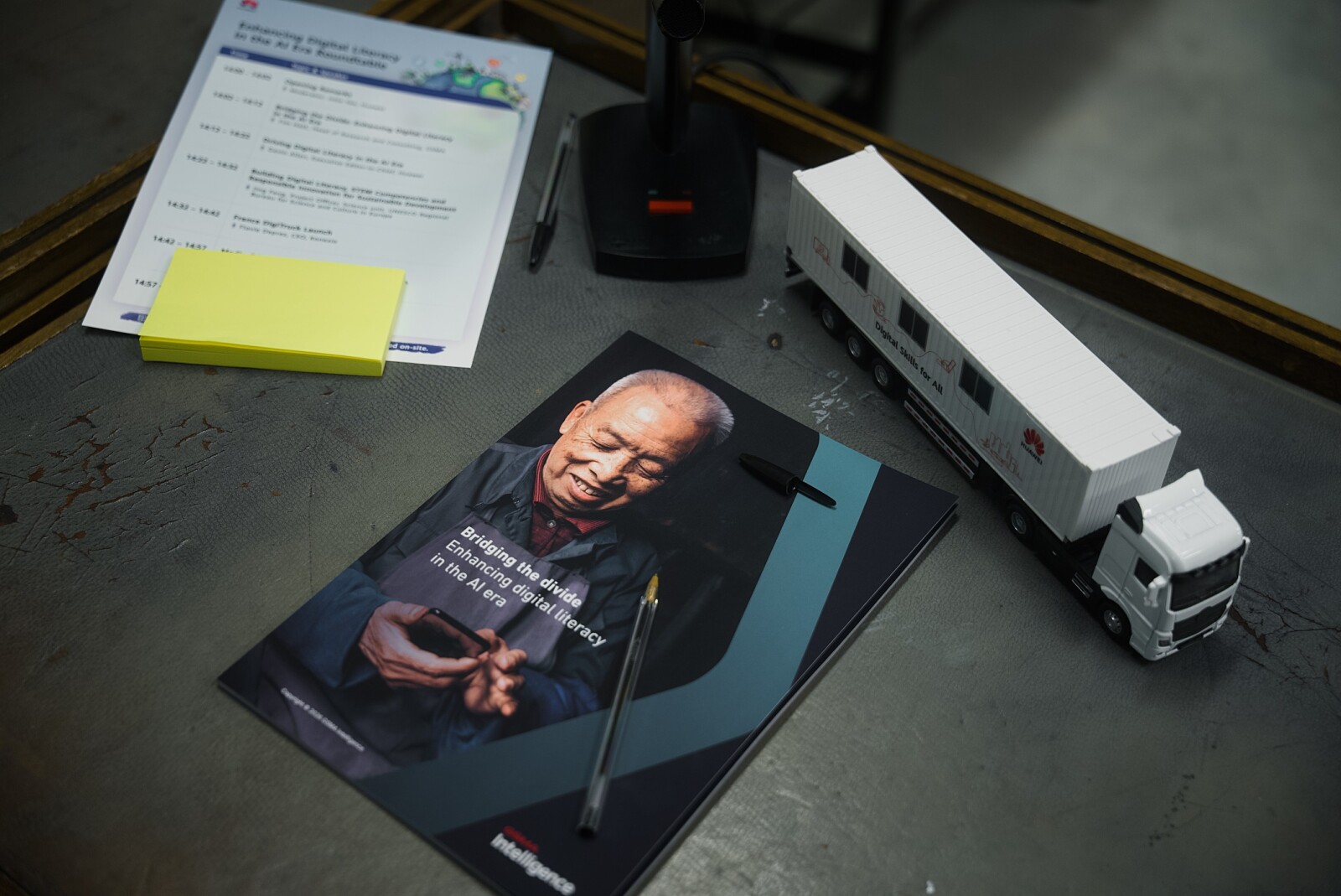
The new report, “Bridging the Divide: Enhancing Digital Literacy in the AI Era,” authored by GSMA Intelligence and produced in collaboration with Huawei, identifies a digital divide impacting 3.1 billion people caused by a shortage of digital skills, user trust and AI literacy.

AI raises both access and risk

Existing industry projections suggest closing the capability gap could add around $3.5 trillion to global GDP by 2030, with more than 90% of those gains flowing to low- and middle-income countries (LMICs). Physical mobile broadband coverage currently reaches 96% of people worldwide.

The report, unveiled at UNESCO’s Digital Learning Week, suggests artificial intelligence could act as both a bridge and a barrier for underserved communities. AI-powered voice assistants and applications that work with images, audio and video can all help low-literacy users bypass the need to input text. At the same time, they raise the security and critical-thinking standards required to participate safely. However, the study warns that users must now be able to understand data privacy and identify risks such as fraud and deepfakes.

The research cites World Bank statistics that GenAI literacy represents the highest-value skill category, with wage premiums up to 36%, far exceeding returns for both digital and traditional AI skills.

Without targeted interventions in basic digital training, the authors warn, rapid AI adoption risks entrenching existing inequalities even in areas with full network coverage.

Mobile classrooms build skills in remote areas

Digital inclusion initiatives typically target those most at risk of digital exclusion, including rural and remote communities, children and teachers in rural schools, older people, and women and girls.

The report emphasizes the need for community-based delivery models, citing Huawei’s Skills on Wheels initiative as a field-tested example — particularly its solar-powered DigiTruck mobile classrooms, which bring hardware, rural connectivity and hands-on training, including AI literacy, to off-grid regions.

Since 2019, training courses delivered by Skills on Wheels projects have reached more than 130,000 people across 21 countries, with more people benefiting indirectly. DigiTruck trainers encourage trainees to share their new skills, which is shown to occur in practice. A report on DigiTruck by Kenya’s Ministry of Information, Communications and Digital Economy shows that 79% of DigiTruck trainees surveyed had passed on their newly acquired digital skills to family members and peers.

Policymakers urged to treat AI literacy as core infrastructure

To bridge the usage gap, the report urges policymakers, telecom operators and technology vendors to work together and focus on four priorities:

  • Treating practical AI awareness, online safety and information verification as a baseline national qualification.
  • Adopting multilingual voice and conversational interfaces across public services to minimise user-side technical hurdles.
  • Scaling up mobile learning units through cross-sector partnerships that combine operator connectivity, vendor technology and local NGO networks.
  • Measuring performance by independent task completion and fraud resilience rather than trainee numbers.

“Digital literacy can no longer be defined by static thresholds,” said Tim Hatt, head of research and consultancy at GSMA Intelligence. “Connectivity alone is insufficient — capabilities, system design and trust must evolve together. To capture this multi-trillion-dollar opportunity, stakeholders must integrate layered AI literacy directly into daily livelihoods through trusted community channels.”

“Mobile classrooms have demonstrated immense value in helping underserved populations break through physical and psychological barriers to technology,” said Gavin Allen, Executive Editor-in-Chief at Huawei. “We will continue working alongside local governments and industry partners to drive digital literacy, ensuring that no one is left behind as we transition into the AI economy.”

A new DigiTruck program will launch in France this autumn, covering several cities in the Île-de-France region and targeting low-income and underserved communities with digital skills training.

The full report is available on the GSMA Intelligence research portal:
https://www.gsmaintelligence.com/research/bridging-the-divide-enhancing-digital-literacy-in-the-ai-era

FAQ

Q1: What is the main purpose of this report?
A: The report analyzes the critical importance of enhancing digital skills in the AI era, highlighting digital literacy as a layered and evolving capability. It calls on all stakeholders to collaborate in accelerating global digital inclusion and skill development.

Q2: What does it mean for policymakers to treat “AI literacy as core infrastructure”?
A: It means shifting policy focus from just building physical base stations to funding human capabilities. The report urges governments to integrate baseline AI awareness, online security, and media verification into national qualification frameworks, treating digital skills as an essential public utility alongside electricity and broadband.

Hashtag: #Huawei

The issuer is solely responsible for the content of this announcement.

Aolani and FriendliAI Partner to Advance AI Inference at Scale


SINGAPORE – Media OutReach Newswire – 10 September 2026 – Aolani, a Singapore-founded neocloud powering AI growth, today announced a partnership to supply GPU cloud infrastructure to FriendliAI, the San Francisco-headquartered inference cloud for frontier AI to support the rapidly growing demand for inference services.

The global market for AI inferencing is expanding quickly as AI applications become part of everyday business workflows and organisations move from experimentation to deployment at scale. At the forefront of production-scale AI, FriendliAI serves this exact demand to help developers and enterprises deploy open-weight and custom AI models.

FriendliAI was founded by researchers who invented continuous batching, which is now a standard across AI inference serving. The company has built its inference stack end to end, from optimised GPU kernels to global distribution, so that production AI workloads run fast and reliably at scale. FriendliAI consistently ranks as one of the fastest inference providers on OpenRouter, with enterprise clients including LG, Kilo Code, and Liner running their production inference on the platform.

Efficient time-to-value and dependable compute are increasingly important to keep services responsive as usage grows. As access to reliable compute infrastructure becomes a strategic differentiator for companies scaling production workloads, more AI natives are turning to Asia for high-performance compute capacity, attracted by the region’s expanding digital infrastructure, strategic connectivity, and growing AI ecosystem.

As one of the leading neoclouds offering purpose-built next-generation AI infrastructure, Aolani helps AI natives scale more efficiently. Aolani’s infrastructure capabilities across orchestration, automation and lifecycle management actively supports FriendliAI’s services. This partnership equips FriendliAI with the compute to serve the rapid customer demand, both across the globe and increasingly in Asia.

Nicholas Chia, Chief Executive Officer at Aolani said: “We’re seeing inference needs grow faster than companies can find compute to support and service their customers. To narrow the supply and demand gap, we actively partner with companies like FriendliAI to deliver compute capacity on time, at scale, and to rigorous standards. We look forward to partnering with the FriendliAI team to grow its services to bring fast and reliable inference to developers worldwide.”

Byung-Gon Chun, Founder and CEO of FriendliAI said: “We are seeing exponential growth in demand for our frontier AI inference services. Businesses need the freedom to choose the AI models that best suit their applications and the ability to run them efficiently in production. Our job is to deliver high-performance, reliable inference so developers can focus on building their AI applications. Aolani stood out as a trusted infrastructure partner that can help us scale at the pace our customers need. We look forward to working with Aolani to support our mission.”

Media Contact
H/Advisors on behalf of Aolani
pr@aolanicloud.com
Hashtag: #Aolani #Neocloud #FriendliAI #AIinference #Inferencecloud


The issuer is solely responsible for the content of this announcement.

About Aolani

Where AI gets built in Asia. Founded in Singapore, Aolani is backed by compliant and purpose-built infrastructure to deliver the performance capabilities for next-generation AI. Aolani’s AI factories enable organisations to build with confidence, scale ambitiously, and move at hyper-speed in the world’s fastest-growing AI market.

For more information, visit www.aolanicloud.com and follow on LinkedIn.

About FriendliAI

FriendliAI is the inference cloud for frontier AI. Headquartered in San Francisco with a team in Seoul, FriendliAI runs open models in production at scale for AI-native startups and enterprises through its Model APIs, Dedicated Endpoints, and Bring Your Own GPU (BYOG) offering. The team built the full inference stack end to end, delivering the speed, reliability and efficiency that agentic AI workloads demand.

For more information, visit .

Laos Steps Up Crackdown on Beauty Clinics, Orders Dr. Nith to Halt Procedures

This photo is used for representational purpose only.

The Ministry of Health has ordered Dr. Nith Beauty Center, a local beauty clinic chain, to suspend its medical services after an inspection found the Vientiane facility performing injections and other medical procedures without ministry authorization.

Ordered on 2 September, the suspension notice followed an inspection of the center in Vientiane Capital conducted with relevant authorities. Inspectors found that the facility was administering injections and introducing substances, including Botox, into customers’ bodies for cosmetic purposes without the required authorization.

The authorities ordered the center to stop providing medical services until it obtains official approval.

The action follows a wider directive issued by the Ministry of Health on 29 May covering private medical and dental clinics, plastic surgery centers, beauty centers and stem cell facilities.

The directive, which was made public on 17 August, requires unlicensed facilities to obtain official permits by 30 November. Until they receive authorization, the facilities must stop medical examinations, dental work and surgical procedures.

The directive also prohibits procedures including injections, administering substances into the body, liposuction, cosmetic surgery, acupuncture, piercing, suction, scraping, rubbing, massage, body treatments and stem cell procedures while facilities await approval.

The Response

Dr. Nith Beauty Center has seven branches across six provinces, including Vientiane Capital, two branches in Bokeo, Champasak, Luang Prabang, Oudomxay and Xieng Khouang. The business employs around 40 people, according to owner Vilayphone “Nith” Phanthavong.

In a Facebook video posted on 10 September, Vilayphone said all seven branches remain open for non-medical services while the business seeks the required permits.

She said she had tried to obtain a license since opening the business several years ago, but there was previously no specific licensing category for beauty centers. She said the May directive created a process for such businesses to apply for official permits and that her application remains ongoing.

The authorities have not issued further comment on the case.

The May directive forms part of a broader effort by the Ministry of Health to bring private healthcare and beauty businesses under the country’s licensing and professional standards.

All affected facilities must complete the registration and licensing process by 30 November.