UN Secretary-General Antonio Guterres and Indonesian President Joko Widodo in Jakarta on Sept. 7: Guterres came to ASEAN with a plea to show leadership in the fight against climate change (photo: NIKKEI ASIA)
In a press conference held in Jakarta on Thursday, UN Secretary-General Antonio Guterres emphasized the urgent need for a robust debt workout mechanism to facilitate global climate financing, citing challenges faced by energy transition initiatives in Indonesia and Vietnam as prime examples of the critical need for action.
Tanoto Foundation’s donation will advance research into gene therapy to address eye condition that is a major cause of vision loss
The condition affects 200 million globally and 5 out of 100 in Singapore; number of cases expected to rise with Singapore’s ageing population
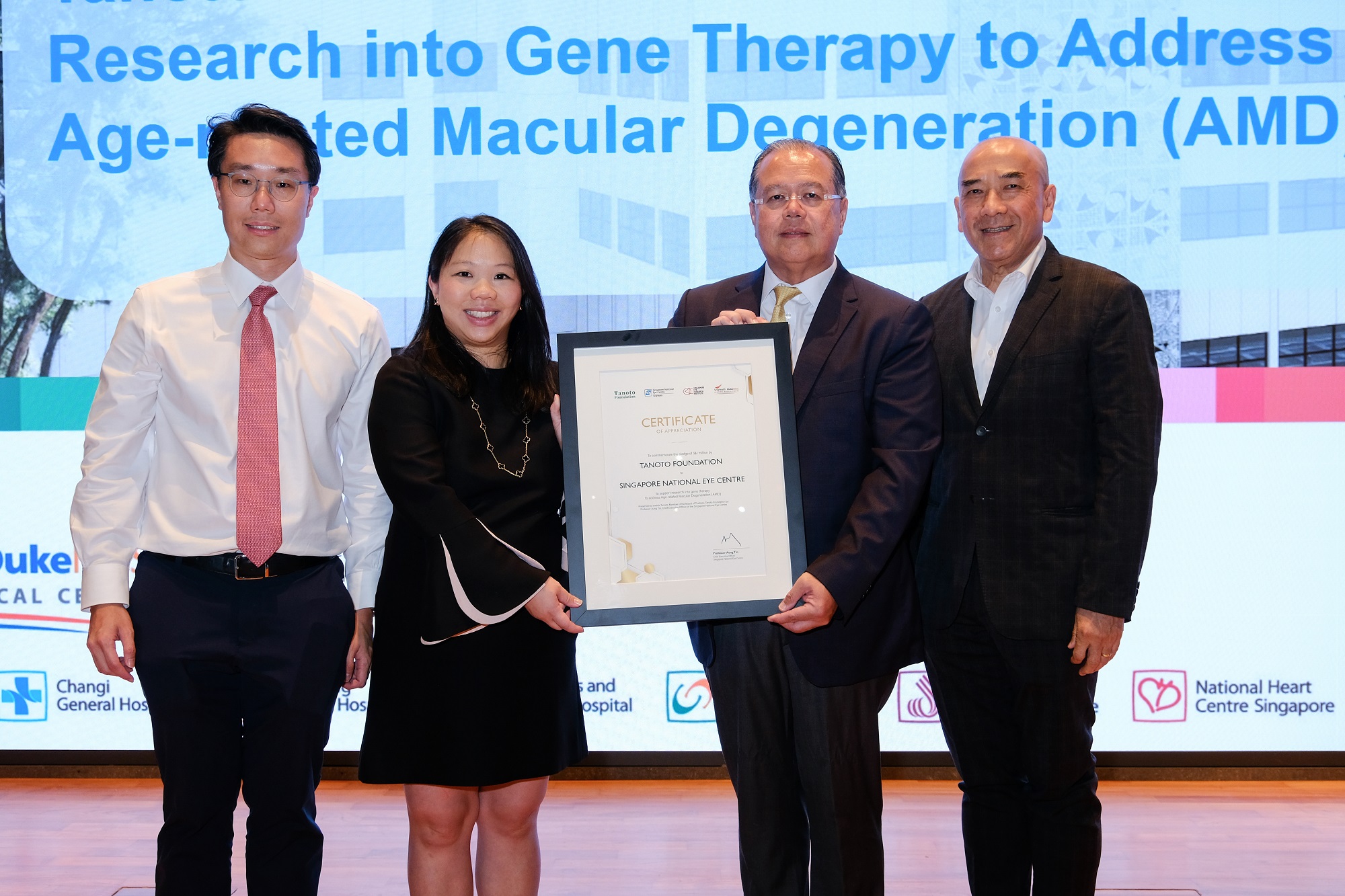
SINGAPORE – Media OutReach – 8 September 2023 – Tanoto Foundation today announced a donation of S$1 million to the Singapore National Eye Centre (SNEC) to support a three-year research programme into gene therapy to combat age-related macular degeneration (AMD), a chronic, irreversible eye condition that affects 200 million people worldwide. Due to ageing population and longer life spans, this number is set to increase to 240 million by 2030.
Left to Right: Dr Ng Choon Ta, Member, Board of Trustees, Tanoto Foundation; Ms Imelda Tanoto, Member, Board of Trustees, Tanoto Foundation; Prof Aung Tin, CEO, Singapore National Eye Centre; Dr J. Satrijo Tanudjojo, Global CEO, Tanoto Foundation
AMD can result in loss of vision because of damage to the macula, or central part of the retina, and is a major cause of blindness in those over 50 years old. The condition is more prevalent in countries with ageing populations, such as Singapore, where around one in four citizens will be over 65 years old by 2030.
There are two forms of AMD, early and late. The early form of AMD is not immediately sight threatening but the late neovascular form of AMD (nAMD), where there is abnormal growth of blood vessels that can result in bleeding or swelling, is responsible for 90% of blindness in AMD cases. In Singapore, the prevalence of AMD is estimated to be about 5.1% (five out of every 100 individuals) for early AMD and one in every 200 individuals for nAMD, above the age of 40.
The research programme, which will be funded by Tanoto Foundation and led by scientists from the SNEC and the Singapore Eye Research Institute (SERI), will focus on the development of new gene therapies to address AMD. Gene therapy is broadly defined as a therapeutic technique to modify a patient’s genes to treat or cure disease. This can work by replacing or inactivating defective genes.
Imelda Tanoto, Member of the Board of Trustees, Tanoto Foundation, said: “We recognise that in old age, vision, which impacts mobility significantly, affects the quality of life. With a long standing commitment to support medical research especially in Asia-prevalent diseases, we also leverage Singapore’s quality healthcare and research ecosystem to build meaningful partnerships and pilot medical innovations that are scalable to the region. Our partnership with SNEC to advance gene therapy research is a great example.”
Since 2009, the Tanoto Foundation has contributed more than S$20 million towards research and advocacy for various treatments for major health issues, such as cardiology, oncology and diabetes.
Professor Aung Tin, CEO, SNEC, said: “We are grateful for the support from Tanoto Foundation in advancing research into the use of gene therapy to address AMD. This condition is a major cause of vision loss, resulting in significant economic and healthcare costs. The number of individuals affected by AMD is fast rising, partly due to our ageing population. The support from Tanoto Foundation will help us devise promising new gene therapies, which can potentially reduce the required number of treatments per year for nAMD patients and can help improve their quality of life.”
Current treatments are in the form of regular, often lifelong injections of anti-vascular endothelial growth factor (VEGF) agents into the eye, administered on average about every two to three months. The overall healthcare burden in the United States for AMD is estimated to be US$4.6 billion. This burden is also comparable to other first world nations such as Singapore. By introducing a new gene into the body to trigger its own cells to produce therapeutic agents, this gene therapy research programme can potentially significantly reduce the number of injections a patient may require to combat AMD as this treatment will be long-lasting. If the research is proven to be successful, it can potentially be extended to other retina diseases such as diabetic retinopathy and retinal vessel occlusion.
The research team comprises clinicians and scientists from SNEC/SERI, the Agency for Science, Technology and Research’s (A*STAR) Genome Institute of Singapore and the Centre for Vision Research at Duke-NUS Medical School. This clinician-scientist collaboration is a testament to the ongoing strong collaborative efforts to translate novel therapies from bench to bedside.
Hashtag: #TanotoFoundation
The issuer is solely responsible for the content of this announcement.
About Tanoto Foundation:
Tanoto Foundation is an independent philanthropic organisation founded in 1981 by Sukanto Tanoto and Tinah Bingei Tanoto based on the belief that every person should have the opportunity to realise his or her full potential. Tanoto Foundation programmes stem from the belief that quality education accelerates equal opportunity. We harness the transformative strength of education to realise people’s full potential and improve lives. Tanoto Foundation focuses on making an impact in three main areas: improving learning environments, future leader’s development, as well as medical research and sciences.
The Ministry of Technology and Communications (MOTC) office in Laos issued a notice on Thursday, stating that all phone numbers across the country must be registered by 16 December, which can be done through the 3Grab app and the Lao KYC app.
David Rasavong's new restaurant. Love&Thai, with a sign saying coming soon on the front window. (Photo: ABC30)
After false allegations against David Rasavong and his Fresno, California-based restaurant Tasty Thai caused the business to shut down in May, the owner is thrilled to be opening his new restaurant, thanks to the outpouring of support from his customers.
Lao Prime Minister Sonexay Siphandone received the gavel of ASEAN Chairmanship from Indonesian President Joko Widodo during the handover ceremony held at the closing of the 43rd ASEAN Summit in Jakarta on Thursday, 7 September 2023. (Photo: ANTARA News)
During a handover ceremony at the closing of the 43rd ASEAN Summit in Jakarta, Indonesia, Laos took over the chairmanship of the Association of Southeast Asian Nations (ASEAN) from Indonesia on Thursday, 7 September.
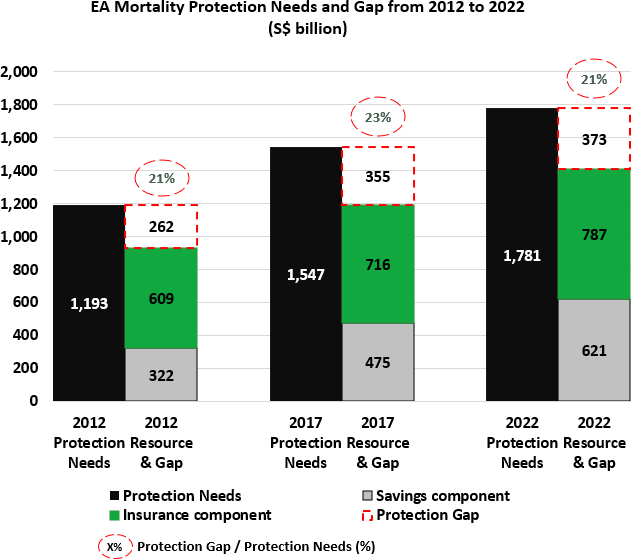
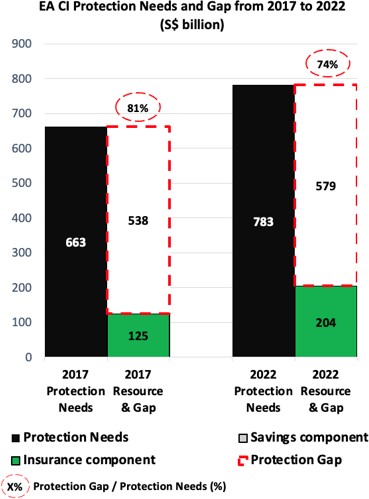
SINGAPORE – Media OutReach – 8 September 2023 – The Life Insurance Association, Singapore (LIA Singapore) todayunveiled findings of the Protection Gap Study (PGS) 2022 which found that economically active1 (EA)Singaporeans and Permanent Residents in Singapore – including Platform Workers (PWs) – had aS$373 billion mortality protection gap2 and a S$579 billion critical illness (CI) protection gap3. Thisequatestoa21%mortalityprotectiongapanda74%CIprotectiongapinSingaporein2022.Thestudycomprises two components: analysis of policy data from life insurers, as well as a supplementarymarket surveyof 775EAs.
LIASingaporealsoincludedtheadditionalanalysisofprotectionneedsandgapsofPWs6inPGS2022,in recognition of this being a growing segment within the community. The average PW individual hasbiggermortality andCIprotectiongaps thantheaverage EAindividual inSingapore.
Mr. Dennis Tan, President, LIA Singapore said, “The Protection Gap Study 2022 shows that whilemortality and critical illness protection gaps persist, there has been progress recorded since our laststudyin2017.ThereisgreaterawarenessandappreciationofthevalueofinsuranceinSingapore,andmore individualsaretakingactions tobettermeettheir protectionneeds.
1 Individuals employed and contributing to the production and distribution of goods and services. Platform workers fall within this categoryandareasubsetoftheeconomicallyactivegroup.
3TheCIprotectiongaprepresentsthefinancialgaptocoverfamilyneedsduringtheassumedCIrecoveryperiodof5years,untiltheinsuredis able to return to work. It is the amount of money required to cover expenses and outstanding debt payments during the insured’s CIrecovery period, less existing insurance coverage for CI. It is to be noted that identified needs of dependents beyond the CI recovery periodhave been considered on the hypothesis that the insured may not be able to meet those needs when they do return to work (due to theassumedreductionintheinsured’s earningcapacity).
While this progress is encouraging, we know more can and must be done to support differentmembers of our community, such as our Platform Workers. The life insurance industry will continueleading the charge on these efforts, leveraging insights from the study to inform initiatives for theAssociation, our member companies, and other relevant stakeholders to pursue and to get moreindividuals better insured.”
Enhancing the understanding and reach of insurance policies through product innovations andfurthersimplification ofpolicy-relatedmaterials
Adoptingacustomerprofileandneeds-basedunderstandingapproachtodeveloptailoredcustomer segment-led propositions, product solutions and distribution approaches aimed atsupportingspecificgroupswithmediumtohighprotectiongaps(e.g.underservedsegmentssuchasthosethatarelesseducated,and/orthoseof lower income)
Boosting consumer awareness and understanding about protection through public educationinitiatives
Makingiteasierforunderservedmembersofthepublic(e.g.PlatformWorkers)toreachaccessible touchpoints to better understand and address their protection and financial planningneeds
Mortality protection gap remained relatively unchanged for EA individuals despite an increase inmortalityprotectionneeds
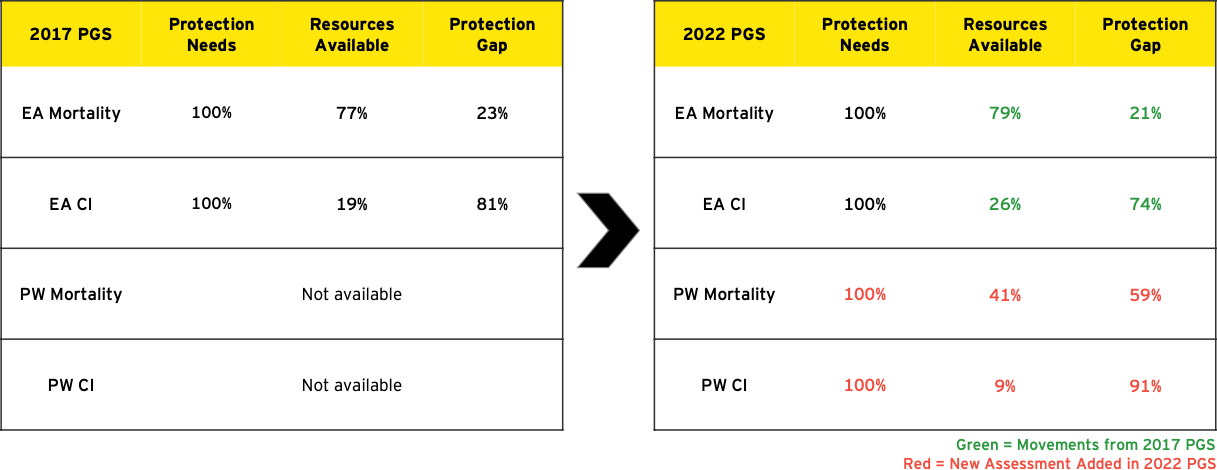
EA individuals in Singapore have approximately 79% of their mortality protection needs met. Thoughthe mortality protection needs increased between 2017 and 2022 – primarily due to an overallincrease in costs of living and number of EA individuals – the mortality protection gap remainedrelativelyunchangedfrom2017,withaslight2% decreasefrom23%to21%.
The average mortality coverage per policyholder increased by approximately S$41,100 to S$331,200in 2022 which is approximately 3.6 times of average annual income. Policyholders in Singapore haveanaverageof threepoliciesformortalityprotection.
The CI protection gap amongst EA individuals has narrowed by a notable 7% – down to 74% in 2022from 81% in 2017. The average CI coverage per policyholder increased by approximately S$64,400 toS$193,300 in2022.This is approximately 2.1timesof averageannualincome.
This reduction in CI protection gap from 2017 was mainly driven by an approximate 63% increase inCIcoveragesincethen.
PGS2022foundthatthereisa59%mortalityprotectiongapanda91%CIprotectiongapamongPWs.This is primarily attributed to them having lower CPF and deposit savings, as well as lower insurancecoverageas compared toEA individuals.
Takeawaysfromthesupplementarymarketsurveyinclude:
Many PW respondents indicating they are not covered under Group insurance offered byplatform providers, with a further portion being unaware if they are receiving any GroupInsurance coverage.
PW respondents expressed interest for the life insurance industry to establish accessibletouchpoints that they may visit to seek guidance and support for their financial planningjourneyandinsuranceprotectionneeds.Theindustryrecognisesthatthesetouchpointscouldinclude roadshowsattheofficesof platformproviders.
The issuer is solely responsible for the content of this announcement.
About the Protection Gap Study 2022
The Protection Gap Study (PGS) 2022 commissioned by LIA Singapore was conducted independentlyby Ernst & Young Advisory Pte Ltd. The study drew upon insurance data available until 31 December2021 from insurers, coupled with public data analysis of economically active individuals in Singaporebetweentheagesof20to69whohaveatleastonedependent.
Please be advised of key limitations arising from the assumptions and data sources used in thecalculationofthemortalityandCIprotectiongapsastheseresultsreflecttheaverageacrossSingapore, whereas each individual’s circumstances will be different and specific to the individual. Assuch,individual protectionneeds shouldbeanalysedseparately.
Another limitation of the study is that a significant portion of PWs sampled falls within the older agegroup. Nonetheless, the higher mortality protection gap and CI protection gap in comparison to EAsoffer a valuable additional insight. This emphasises the importance of addressing the protection gapsamongseniors, especially inlight of Singapore’sgrowingaging population.
LifeInsuranceAssociation,Singapore(LIASingapore)
Established in 1962, the Life Insurance Association, Singapore (LIA Singapore) is the not-for-profittrade body of life insurance product providers and life reinsurance providers based in Singapore andlicensedbytheMonetaryAuthorityofSingapore(MAS).
They are committed to being a progressive life insurance industry by collectively enhancing consumerunderstanding, promoting industry best practices, and through the association fostering a spirit ofcollaborationandmutual respectwithgovernmentandbusinessleaders.
Indonesia's President Joko Widodo takes a selfie with the media during a press conference at the end of the Association of Southeast Asian (ASEAN) Summit in Jakarta, Indonesia. (Photo: AP)
JAKARTA, Indonesia (AP) — Indonesia’s President issued a stark warning Thursday after wrapping up a summit of Southeast Asian countries that were joined by China, the United States, and Russia, saying “we will be destroyed” unless conflicts are resolved.
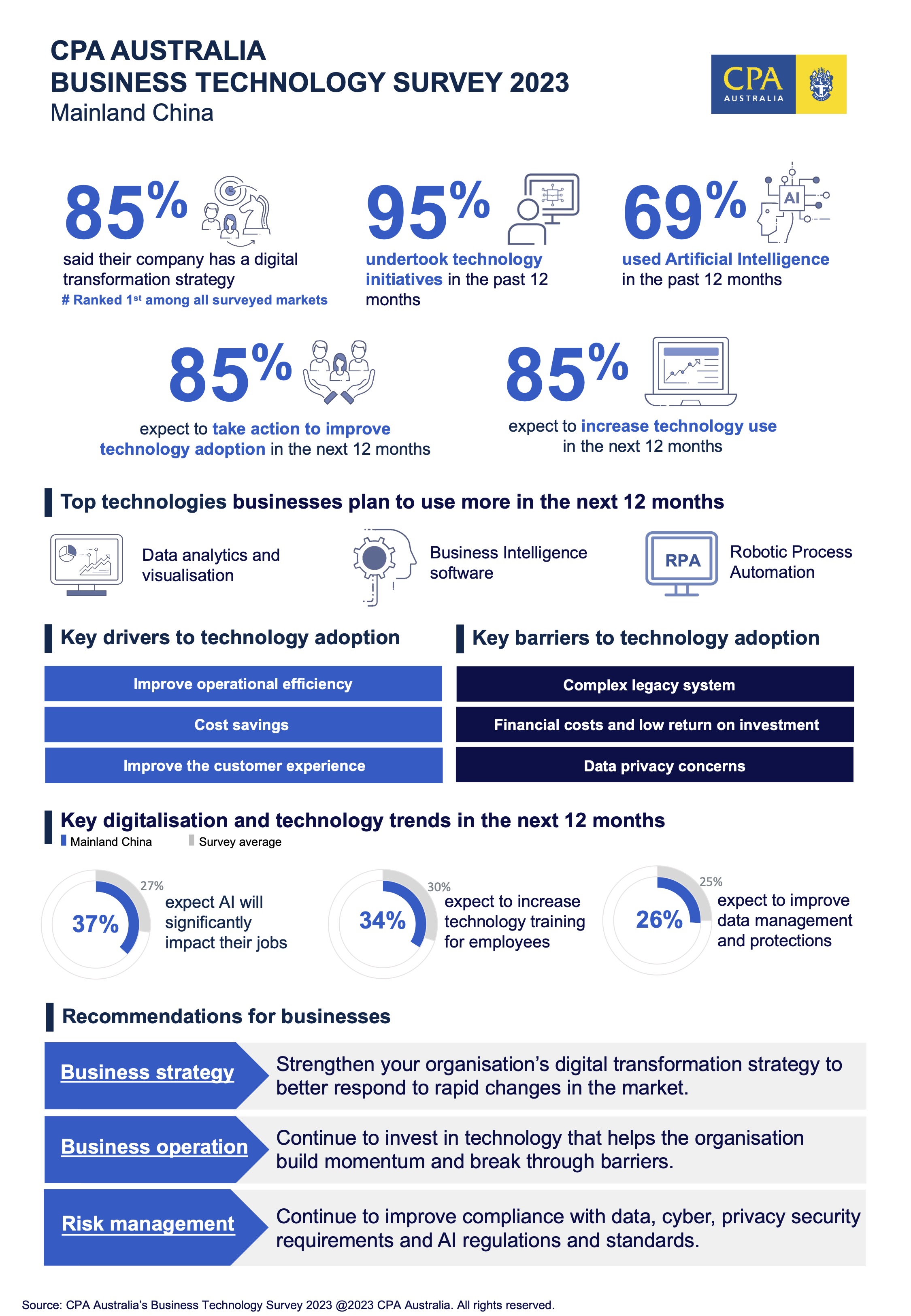
BEIJING, CHINA – Media OutReach – 8 September 2023 – Accounting and finance professionals in Mainland China are embracing new technology at a rapid rate, according to one of the world’s largest accounting bodies. A new report from CPA Australia reveals that a growing number of businesses have adopted digital transformation strategies.
CPA Australia’s 2023 Business Technology Survey was conducted from May to July 2023 across the Asia-Pacific. We received responses from 697 finance and accounting professionals. About one-third of respondents hold C-suite or other senior level positions.
We found that a remarkable 85 per cent of businesses in Mainland China have a digital transformation policy, up five percentage points from the same time last year. This is the highest percentage of businesses from across the Asia-Pacific region featured in the report.
This trend looks set to continue, with 85 per cent of Mainland Chinese respondents agreeing that their employer is planning to increase their use of technology in the next 12 months.
“The digital economy has become a key driver of economic growth. Despite a myriad of uncertainties and challenges in Mainland China’s economic recovery, we are glad to see that businesses have continued to invest in digitalisation and innovation,” said Tony Chan FCPA (Aust.), Deputy President of CPA Australia’s South China Committee.
“It’s positive to see the increasing awareness and willingness of Mainland Chinese SMEs to digitalise. Seventy-six per cent of respondents from SMEs stated that their company has a digital transformation strategy. This is eight percentage points higher than last year’s survey result.”
“We welcome recent government support for Mainland China’s digital economy. This may boost business confidence in investing in digitalisation and innovation. Such actions could improve their operational efficiency, empower the digital transformation of industries and inject vitality into economic growth.”
Artificial intelligence (AI) is the technology that Mainland Chinese businesses increased their use of the most in the past 12 months, according to the report. Sixty-nine per cent of respondents reported that their company used AI in the past 12 months. This is nine percentage points higher than in 2022, and well ahead of the survey average (55 per cent).
“A series of policy support initiatives and the rapid development of generative AI have significantly boosted AI adoption in Mainland China,” Chan commented. “To reap the rewards from future innovation and enhance competitiveness, we recommend businesses continue upskilling the technology capabilities of their employees.”
When survey respondents were asked which technologies they expect their organisation to use more in the next 12 months, data analytics and visualisation software (37 per cent) were the most popular options. In addition, more than one-third of respondents expect their businesses to increase technology training for employees.
According to Collin Jin FCPA (Aust.), a member of CPA Australia’s East and Central China Committee, “Investment in areas such as data analytics and talent upskilling can help businesses gain valuable insights and assist in targeted investment for the next stage of digital transformation. Data capture and analysis could also accelerate the low carbon and green transition of businesses and ensure their long-term sustainable development.”
As Mainland Chinese businesses head into a more demanding and intricate stage of digitalisation, challenges have also emerged. The survey identified that complex legacy systems (29 per cent), financial costs and low return on investment (26 per cent) and data privacy concerns (25 per cent) are the key barriers to technology adoption in Mainland China.
“We understand that replacing complex systems can be difficult and at times expensive, however obsolete systems can impact business performance and profitability. To address this challenge, we recommend companies continue allocating appropriate resources to review their IT infrastructure and systems to ensure they meet both internal needs and external requirements,” Jin commented.
“Considering the pace, complexity and costs of technology development, it’s imperative for businesses to pay attention to the return of investment of technology and digital transformation projects and identifying technology tools and software suitable for the organisation.”
“We also recommend businesses place greater emphasis on digital solutions that elevate their efficiency, bolster resilience, and heighten competitiveness. Examples include digital tools that improve supply chain management and customer service.”
The issuer is solely responsible for the content of this announcement.
About CPA Australia
CPA Australia is one of the largest professional accounting bodies in the world, with more than 172,000 members in over 100 countries and regions, including more than 23,200 members in Greater China. We have offices in Beijing, Shanghai and Guangzhou. CPA Australia provides thought leadership on local, national, and international issues affecting the accounting profession and public interest. We engage with governments, regulators and industries to advocate policies that stimulate sustainable economic growth and have positive business and public outcomes. Find out more at cpaaustralia.com.au



 www.tanotofoundation.org/en/.





 cpaaustralia.com.au
