Home Blog Page 6266

Laos Publishes First Penal Code

Laos Publishes First Penal Code

Laos has officially published its Penal Code in a move to strengthen rule of law and access to justice in the country.

The event was held during an official visit to Laos by the European Commissioner Neven Mimica.

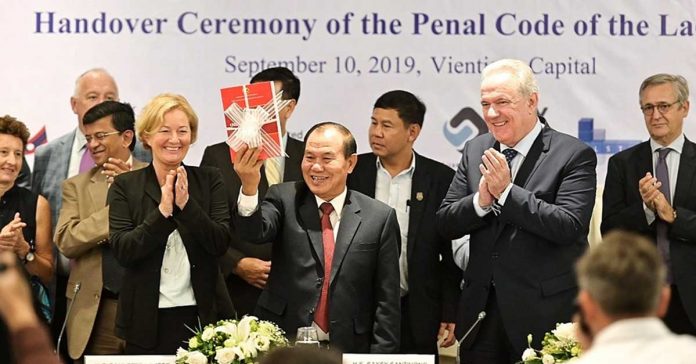
Commissioner Neven, alongside Lao Minister of Justice Xaysy Santivong, and the Minister for Development Cooperation and Humanitarian Affairs of Luxembourg, Ms Paulette Lenert, witnessed the handover of the first Penal Code of the Lao PDR.

A penal code, or a criminal code, is a document that compiles all, or a significant amount of, a particular jurisdiction’s criminal law. The code typically contains offences which are recognized in the jurisdiction, penalties which might be imposed for these offences and some general provisions.

Photo: European Union in Laos

Laos first adopted the code in May 2017, taking effect on November 1, 2018, after several years of intensive technical working meetings and consultations. The published code was officially presented on September 10.

The enactment of the penal code means that it not only provides amendments to the Penal Law of 2005 but also incorporates the criminal provisions of twenty other laws including the enterprise law, preventing and combating violence against women and children, protection of the rights of children, healthcare law, and environmental protection law, into one code.

Many of these laws have seen increased penalties or have stipulated additional acts that constitute offenses. The penal code also includes a section that criminalizes the abuse of animals.

The Lao government plans to disseminate the code across the country with an aim to further support the rule of law and access to justice. It is also expected to make referencing laws easier for relevant authorities, such as investigative officials, prosecutors, and judges.
Prime Minister Thongloun to Visit Cambodia, Discuss Border Issue

Prime Minister Thongloun to Visit Cambodia, Discuss Border Issue

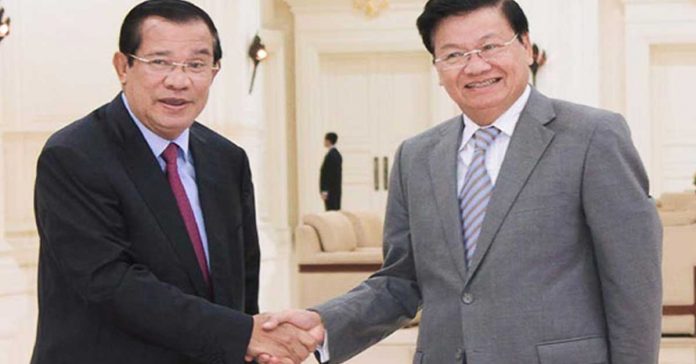
Prime Minister Thongloun Sisoulith will pay a visit to Cambodia tomorrow to try to resolve the issues surrounding the countries’ shared border.

PM Thongloun is making his visit at the invitation of Cambodian Prime Minister Hun Sen, after the Cambodian Foreign Minister, Prak Sokhonn, visited Laos last week.

The two leaders will discuss bilateral cooperation, with a particular focus on solving the border issue.

Tensions have risen in regard to border demarcation on a few occasions over the last few years, most notably in 2017 when Prime Minister Hun Sen issued a warning to the Lao military.

In 2018, Prime Minister Hun Sen visited Vientiane following another flareup at the border and agreed with Lao Prime Minister Thongloun that the two countries would undertake joint patrols of border regions.

Last month, Lao and Cambodian troops confronted each other in an area along a separate shared border, but the situation was quickly stabilized after the prime ministers of each country spoke to each other by phone.

On August 27, at the Lao Ministry of Foreign Affairs, Mr. Anousine Khattiyalath, Deputy Head of the National Boundary Committee said in a statement that the area in question was stable, and two countries were not engaged in any kind of standoff, and troops from both sides officially withdrew two days later.

Prior to the withdrawal, a meeting was held between Lao and Cambodian forces, in which the two sides agreed to form a joint committee to observe and supervise the withdrawal of troops from the two sides, assigning five persons each.

S Korea’s KT Launches Epidemic Prevention App in Laos

S Korea’s KT Launches Epidemic Prevention App in Laos

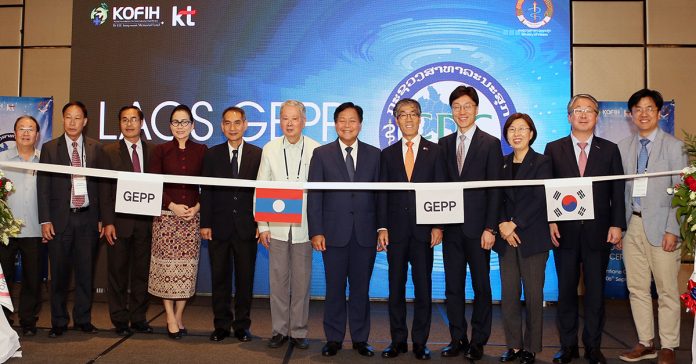
South Korea’s largest telephone company KT has launched an epidemic prevention application in Laos.

The app, dubbed the Global Epidemic Prevention Platform (GEPP), will allow users to check nearby contagions and their symptoms, and how to avoid contracting them, the company said in a statement on September 10.

Those who have visited affected areas can also report their symptoms to nearby health centers through the app.

In addition, the Lao government will be able to collect data from GEPP so that it can monitor contagion progression.

KT said dengue fever and measles were on the rise in Southeast Asia, with the number of overall medical patients in Laos having increased by 42 times in 2019 compared to the previous year.

The app will also help local authorities tackle these illnesses as well as prevent its spread globally, the company added.

KT plans to further expand the service to other parts of Southeast Asia going forward while working to roll out a trial project in Laos that would use fingerprint recognition technology to register the vaccination history of children.

Laos issued a nationwide dengue fever warning in July this year.

EU ARISE Project to Help Laos’s Export Competitiveness

EU ARISE Project to Help Laos’s Export Competitiveness

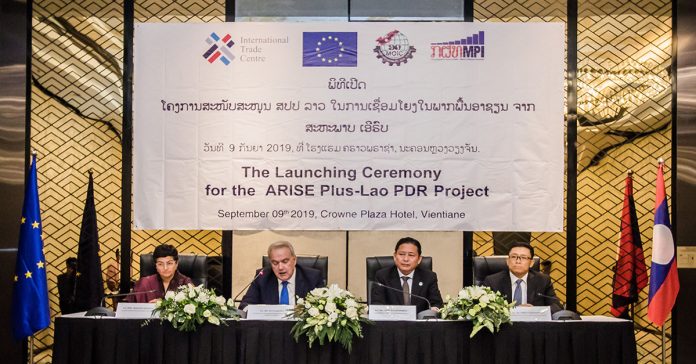
The European Union (EU) has launched its EUR 5 million (USD 5.5 million) ARISE project designed to boost Laos’s export competitiveness and integration in regional and global value chains.

The ASEAN Regional Integration Support-Lao PDR Trade-Related Assistance (ARISE Plus-Lao PDR), launched on September 9, is a four-year project that will be implemented in partnership between the EU and the Lao government.

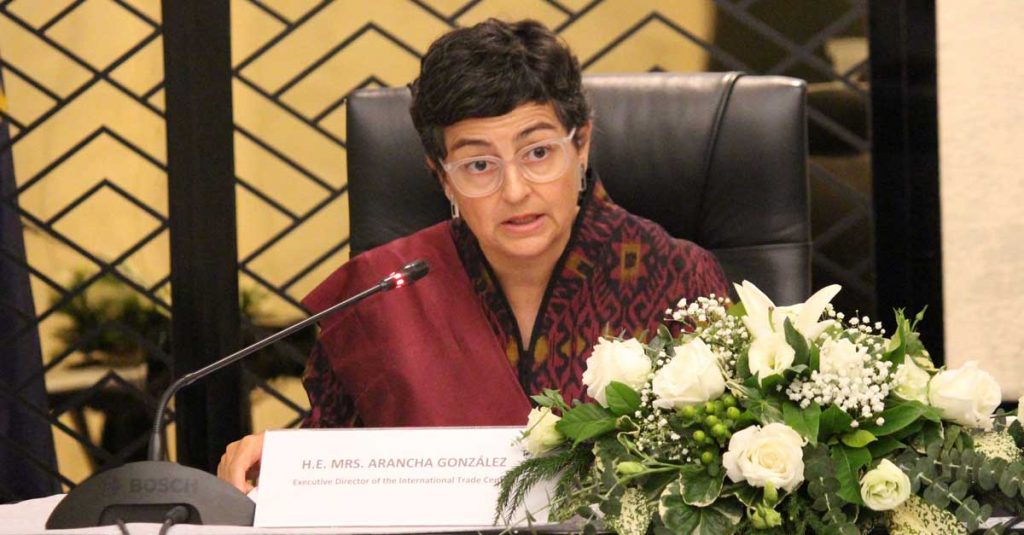
One of the main goals of the project is to increase Laos’s integration into the regional and global economy by improving connections to other markets, which remains a challenge to the country, according to Ms Arancha González, Executive Director at the International Trade Centre (ITC, a joint agency of the UN and World Trade Organization or WTO).

Ms Arancha Gonzalez
Ms Arancha Gonzalez

In particular, the EU wants to step up assistance to Laos to strengthen its economic integration into the Association of Southeast Asian Nations (ASEAN) by ensuring that the country is better enabled to take advantage of the ASEAN Trade in Goods Agreement (ATIGA) and other commitments under the ASEAN Economic Community Blueprint 2025.

ATIGA is designed to achieve free flow of good across the region while the blueprint project aims to create an integrated economic zone among the member nations.

ITC estimates that Laos could realize an additional USD 3.9 billion in exports to ASEAN markets by 2023.

“As the only landlocked member of ASEAN, Laos needs to continue to improve road, electricity, and telecommunications to take full advantage of its location in the center of the Southeast Asia peninsula,” said Ms González.

In addition, the EU wants to support Laos to take better advantage of its membership of the WTO, so that it can enjoy the benefit of greater access to the global market. Laos became a member of the organization in 2013.

To that end, the EU will work with various Lao government bodies to foster a better understanding of the problems and benefits of implementing regional commitments under the ASEAN framework.

The project will also raise awareness on trade preference for exports among Lao businesses, including small and mid-sized enterprises (SMEs), and on the requirement for placing products in sustainable markets, while helping them access buyers who value the sustainability efforts of supplies.

This is important because consumers are increasingly interested in how and under what conditions a product is produced and traded, according to Ms González.

Ms González is certain that Laos has great potential to successfully implement the project and achieve its goals.

She cited the Lao government’s careful approach to the project and strong interest of other stakeholders, such as businesses, as reasons to contribute to the success of this project.

“I am convinced ARISE Plus will help Laos sustain the momentum it needs towards shedding LDC [Less Developed Countries] status in the near future, building on the country’s undoubted export opportunities, and provide a more prosperous and inclusive future for everybody in Laos,” said Ms González. “A big future lies ahead.”

Nam Ngiep Dam Officially Online

Nam Ngiep Dam Officially Online
Nam Ngiep Hydroowr Plant comes online (February 2020)

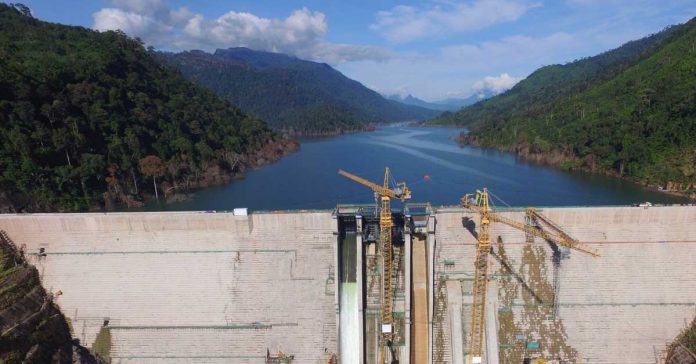
The Nam Ngiep Dam northeast of Vientiane Capital has officially come online.

The Nam Ngiep Dam, a hydropower investment by Japan’s Kansai Electric Power Company, has begun transmitting electricity.  With two power stations, the installation should produce 1.6 billion kilowatt-hours of energy each year.

Electricity from the plant’s main station will supply energy to Thailand, while the secondary station will transmit power to the Lao domestic supply.

The installation was constructed on the Nam Ngiep River, a tributary of the Mekong River northeast of Vientiane Capital.

Construction of the plant began in 2014, and got off to a rocky start after six workers were killed when a gas cylinder exploded at the site. The workers were attached to Vietnam’s Song Da 5 construction company.

Nam Ngiep Power Company is a joint venture owned 45% by Kansai Electric, 30% by EGAT International, and 25% by Lao Holding State Enterprise, a Lao government company that holds government shares in power development projects.

EDL-Gen Decides No Dividend Payout for First Six Months of 2019

EDL-Gen Decides No Dividend Payout for First Six Months of 2019

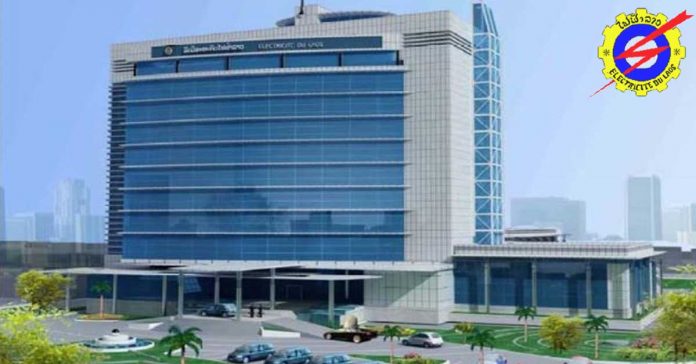
The board of directors of EDL Generation Public Company (EDL-Gen) has decided no dividend payout after the firm reported a loss of LAK 147.15 billion (USD 16.7 million) over the first six months of 2019.

Such a decision shall be proposed to the annual general shareholders’ meeting for the year 2019 for further consideration, the company said in public disclosure.

The total net profits of EDL-Gen for the first semi-annual 2019 came from two main sources, according to EDL-Gen.

Profit from the business operation of EDL-Gen faced a loss of LAK 328.473 million (USD 37,425,) while that from the share of associates and joint ventures amounted to LAK 181.328 million, which makes the total net profits of a loss LAK 147.145 million.

Vientiane Times quoted EDL-Gen as saying that the loss was indicated in kip because of the unfavorable exchange rate of the currency against the Thai baht and US dollar.

“Although EDL-Gen made a profit from the sale of electricity in Laos and to other countries and has cash reserves, most of the company’s debts, in the form of loan repayments, are serviced in baht and dollars,” the paper explained.

In the first semi-annual 2019, the total revenue of EDL-Generation mainly came from selling electricity to EDL, and its total revenue was LAK 762.584 million (USD 86,681,) including revenue from electricity sale totally LAK 741.997 million.

Miss Hmong Laos Contest to Be Held in December

Miss Hmong Laos Contest to Be Held in December

Contestants are flocking to enter the fourth annual Miss Hmong Laos contest, which will be held in December this year.

The Miss Hmong Laos contest includes various performances to demonstrate the identity and culture of the Hmong ethnic group, in order to spotlight their cultural heritage in Laos and on the international stage.

Director of Lao Trading and Mineral Processing Co. Ltd, and president of the Miss Hmong Laos Contest, Mr. Thongvilay Lidthideth, says that the purpose of the Miss Hmong Laos contest is to provide an opportunity for Hmong youth to participate in positive activities.

“Furthermore, it is also a way for talented young Hmong people to demonstrate their abilities,” says Mr. Thongvilay.

The contest has developed over the years, and 2020 will see a much larger event than previous years.

Applications remain open to all Lao Hmong around the country from 24 November 2019, with the final contest to run from 27 December 2019 to 5 January 2020.

Laos to Offer Free Wi-Fi at Landmarks in Vientiane

Laos to Offer Free Wi-Fi at Landmarks in Vientiane

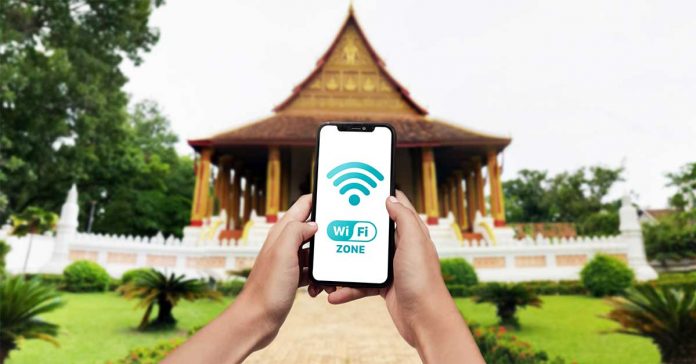
Laos has launched a project to offer free Wi-Fi at landmarks in its capital Vientiane in a move to cater to not only the general public but also foreign visitors.

The project, supported by the Asia-Pacific Telecommunity (APT,) will enable visitors to use the internet at frequently visited locations such as Wattay International Airport, Namphou Fountain, and Hor Phrakeo, said Deputy Minister of Post and Telecommunications, Bounsaleumxay Khennavong, as quoted by Vientiane Times.

APT was founded in 1979 on the joint initiative of the United Nations Economic and Social Commission for Asia, and the Pacific and the International Telecommunication Union.

APT serves as an organization for information and communications technology (ICT) in the region. Laos became a member in 1989.

The free wi-fi project is a part of Laos’s efforts to be in line with the current digital trend and a desire to promote wider access to information.

In Laos, cell phones account for 94 percent of the entire phone network and the mobile internet network reaches 78 percent of all villages, while Internet users make up nearly 40 percent of the population, Mr Bounsaleumxay said.

In particular, the country sees strong growth in social media use, especially Facebook, YouTube, WhatsApp, and WeChat. Among online social media users, 28-38 percent are young people aged 16-24, he added.

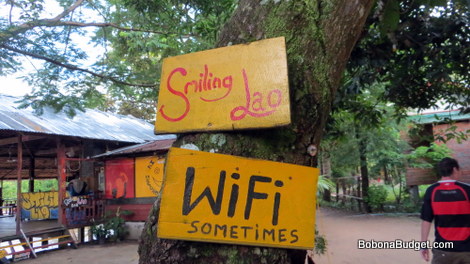
wi-fi sometimes!
Wi-Fi (sometimes) at the 4,000 islands

Laos attracted more than 4.1 million foreign tourists last year, an 8.2 percent increase from the previous year. Tourism generated revenue of more than USD 755 million in 2018.

Meanwhile, it is expected that at least 4.5 million people will visit Laos this year, generating revenue of more than USD 700 million.