Home Blog Page 6296

Singapore Restaurant Sells Thai Food, Misspells Lao Name

Un-Yung-Kor-Dai Opens in Singapore

Un-Yang-Kor-Dai, a concept from the Thai city of Khao Yai, has recently opened an outlet in Chinatown in South Bridge Road, Singapore.

While its brand positioning is understandably geared towards serving authentic Thai or Isan cuisine, its restaurant name is written in the standard language of Laos, where Isan culture derives a historical commonality. However, the Lao spelling is quite peculiar as there is an apparent discrepancy between the original text in Lao script and its English transliteration, one that would not have been overlooked by an average Lao person.

Although it is common that Thais in the Northeastern Isan region of Thailand may speak and understand Lao language, many do not have full command of the Lao script. This misspelling demonstrates either a lack of awareness regarding the differences between modern Thai and Lao languages, or an uninformed approach that makes the assumption that nobody will notice – or care. While Singaporeans may be linguistically none the wiser, there are seven million Lao (and counting) who regularly travel to both Singapore and Thailand, who could possibly be irritated by this blunder concerning the use of their language.
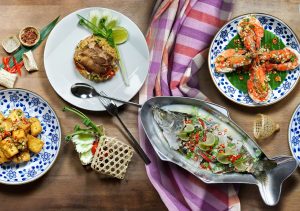
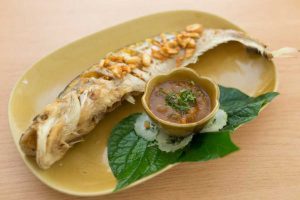
With signature dishes such as the PenLaos Signature Grilled Chicken, Korat-Style Fried Rice Noodles with chicken. The al dente dry noodles are fried on the spot, with a potpourri of Thai chilli paste, fish sauce, bean sprouts and chives.

The restaurant, which adopts an open-kitchen concept and is decorated with community artworks and handicrafts, also makes three special sauces by hand: Isaan Spicy Dipping Sauce, Special Spicy Sauce and Sweet and Sour Sauce. The first sauce is paired with the Isaan Beef Tenderloin Steak for a spicy kick.
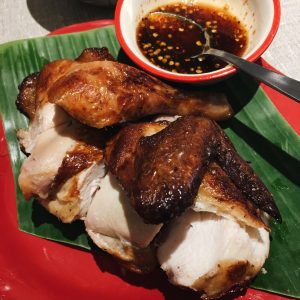
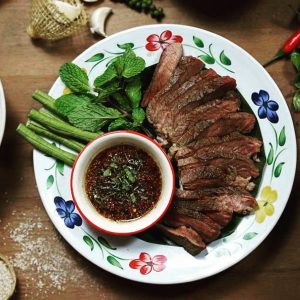
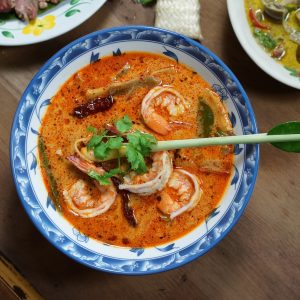
Other dishes include Tom Yum Kung Num Kon with fresh prawns and coconut milk, Fresh Crab With Red Curry Sauce, Steamed Whole Sea Bass In Spicy Lime Sauce, Phad Thai Tom Yum With Seafood, and Grilled Pork Neck.
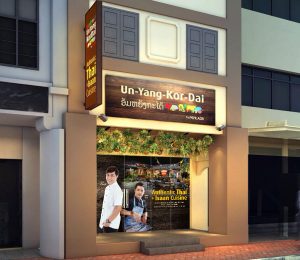
Location: 01-02, 57 South Bridge Road

Opening Hours: 11am to 3pm and 6 to 10pm (Tuesdays to Sundays)

Info: Call 6787-8575, e-mail letseat@unyangkordai.com or go to www.unyangkordai.com
Sources: The Straits Times, Official UNYUNGKORDAI Facebook Page, GreatNewPlaces.com, Burpple.com

PM: Laos Won’t Graduate From Least Developed Country Status by 2020

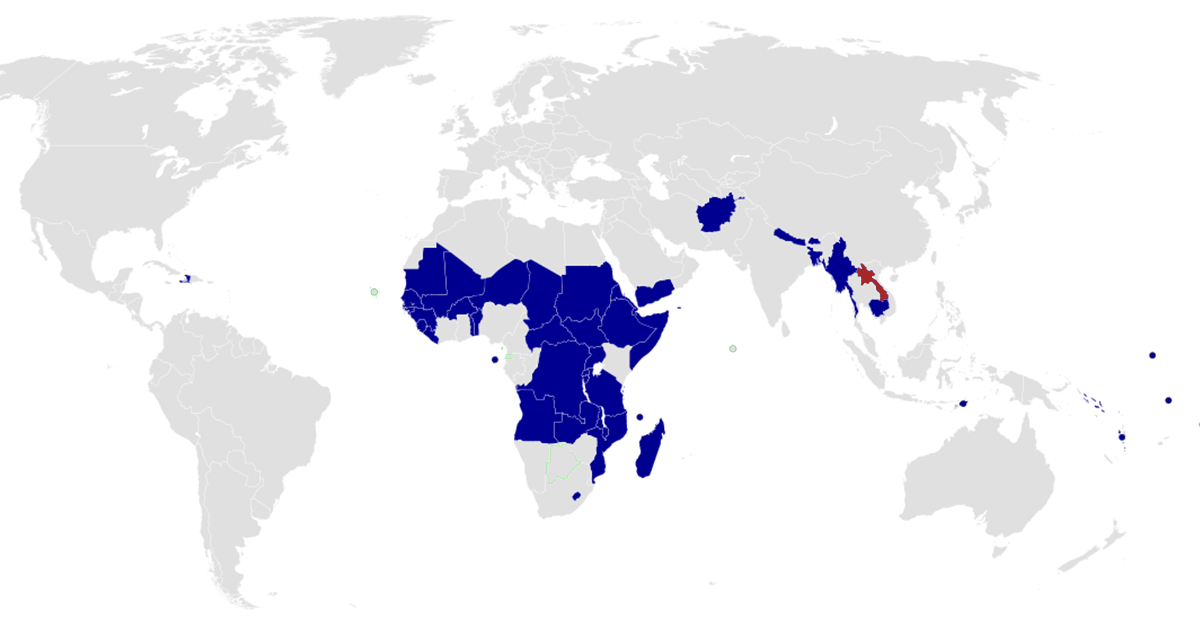
Laos Least Developed Country

In a surprise revelation, Prime Minister Sisoulith told the members of the National Assembly last week that despite the government’s enormous efforts, Laos will not be able to graduate from its Least Developed Country (LDC) status by 2020, a goal that has been one of the nation’s priorities since 2001.

In response to the pressing concerns of the 5th Ordinary Session of the National Assembly on the topic of poverty eradication, Prime Minister Sisoulith said, “Laos has engaged on a path of development for 43 years. Since 2001, the Party and Government have tried their best to implement a national development plan with the goal of graduating the country from Least Developed Country status, an economic classification given to Laos by the United Nations based on three criteria. And for the first time since then, United Nations representatives have come to perform inspections and have concluded that Laos will not be able to free itself from this classification by 2020 for a number of reasons.”

LDCs are assessed using three criteria: the Human Asset Index (HAI) which assesses health and education targets, economic vulnerability, and gross national income (GNI) per capita.

Countries are required to meet at least two of the three criteria at two consecutive triennial reviews by the Committee for Development Policy to be considered for graduation.

The 2018 Laos review found that the country has met requirements for GNI per capita and the HAI. However, the Economic Vulnerability Index (EVI) has not passed the threshold.

Speaking at the biannual assembly session, the PM stated that Laos’ GNI per capita of US$1,996 exceeded the graduation threshold of US$1,230 or above, while the HAI stood at 72.8, above the required threshold of 66.

The EVI, however, was 33.7, too close to the threshold of 32 or below.

The PM said that Laos must strive harder to meet the set criteria by creating a firm foundation in preparation for graduation.

Laos Least Developed Countries

Less Aid if Laos Graduates from Least Developed Country Status

The policies toward Laos by various development partners could change if Laos graduates from Least Developed Country status, and economists have warned that Laos must prepare for changes in aid and loan policies.

Laos would lose some Official Development Assistance (ODA), loans, and cease to enjoy some preferential trade treatment.

ODA, including grants and low interest loans, equates to more than 10 percent of total investment.

However, Planning and Investment Deputy Minister Dr Kikeo Chanthabouly sees graduation in a more positive light, saying that if Laos receives the new status, it should be able to more easily secure loans, with the new classification enhancing the country’s image and reputation.

He says that while Laos will receive less ODA, it will be able to take on more loans. Meanwhile, the World Bank has warned Laos that public debt has increased to levels that are no longer sustainable.

Public debt made up 70.5 percent of the country’s Gross Domestic Product (GDP) last year, up from the 68.1 percent the year before.

Source: Vientiane Times, Lao Economic Daily


WildAid and Bluegrass Help Spread Message About the Ivory Trade in Laos

wildaid yao ming ivory laos

Conservation organization WildAid and Lao design firm Bluegrass Design have teamed up to spread the word about the ivory trade in Laos.

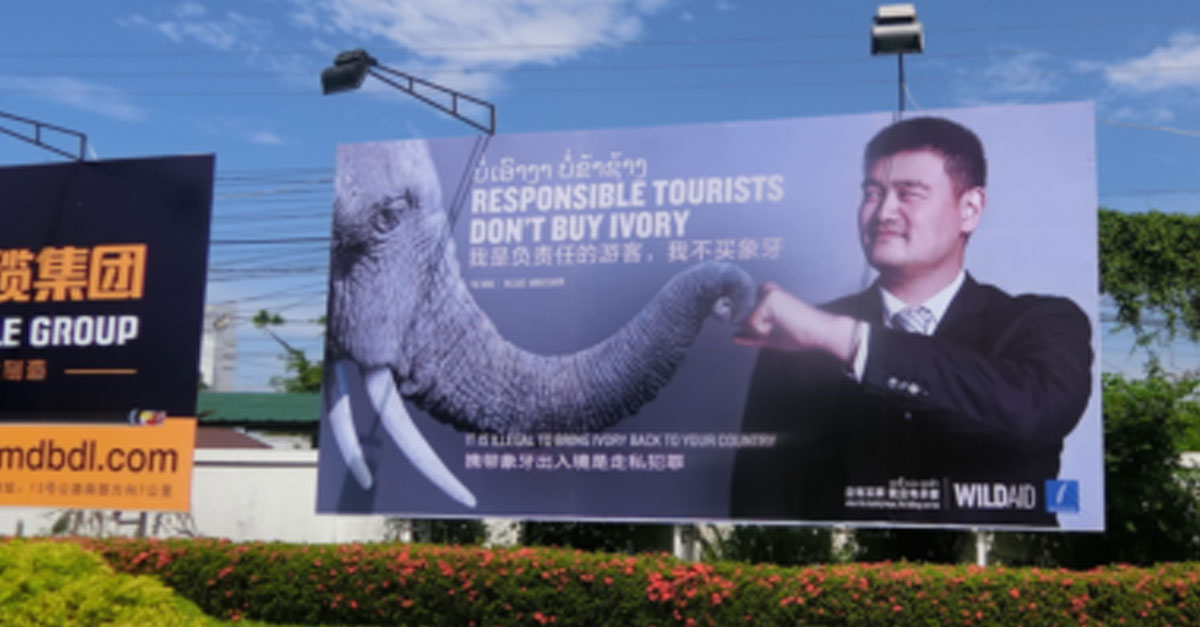
Billboards have been placead at Vientiane’s Wattay Airport with WildAid Ambassador and former NBA star Yao Ming at the forefront, urging travelers to say no to the ivory trade.

The ivory trade is known to kill up to 33,000 elephants per year, according to WildAid. While governments around the world have banned the ivory trade, the illegal market in Laos is increasing.

According to WildAid, 80% of the illicit ivory on sale in Laos is purchased by mainland Chinese visitors, with many items made specifically to suit Chinese tastes.

The launch of the billboards comes as regulations on wildlife trafficking are getting tougher, with the Prime Minister himself issuing an order last month on increased stringency in management and inspection of protected wild flora and fauna. The order was issued to tighten implementation of forest plant and wildlife protection, especially those species which are classified as endangered.

Under the new order, border checkpoint staff and police officers are being instructed to increase vigilance regarding inspections for trafficking of wild animals and plants. Any immigration officers found aiding or assisting wildlife traffickers will be immediately arrested and prosecuted.

Source: Laos Briefly
Photo: WildAid

1000-Year-Old Tree Consecrated in Saravan

1000 year old tree in Salavanh

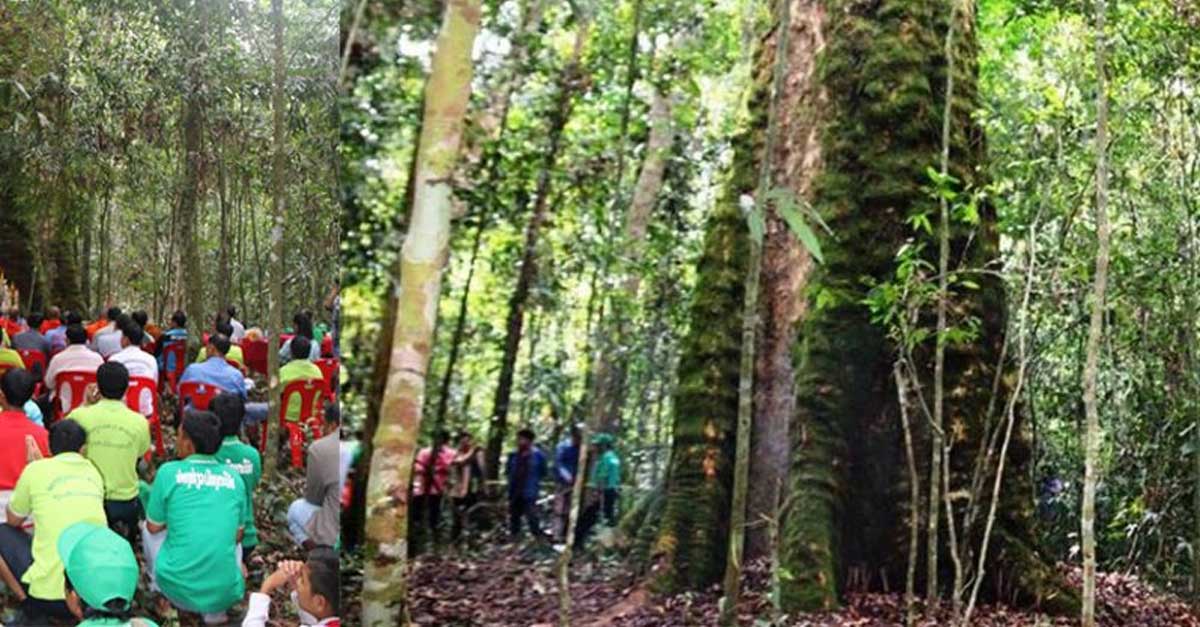
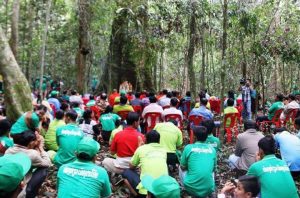
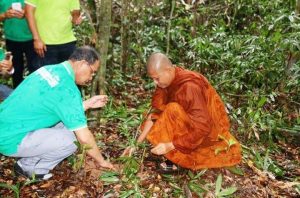
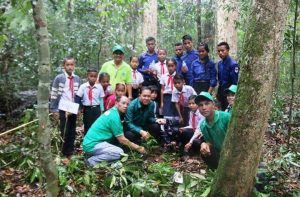
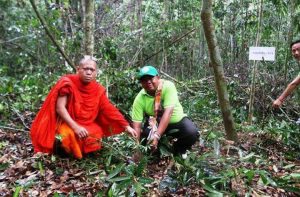
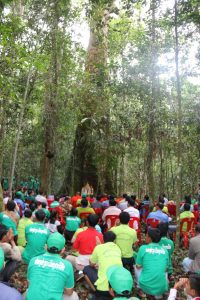
Last week, the village administration of Thaoy of Saravan Province organized a tree planting event to coincide with a traditional tree consecration ceremony on the auspicious occasions of Arbor Day and Children’s Day.

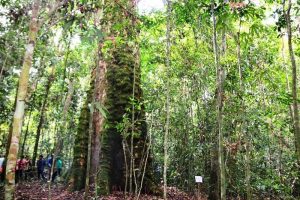
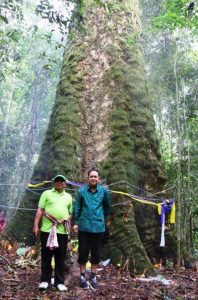
The said tree, believed to be over 1000 years old, with a circumference of 14 meters and a staggering height of over 30 meters, was declared holy.

Present at the ceremony were Saravan Vice Governor Vixien Navikun, Thaoy District Chief Bounhome Komesouni, Provincial Buddhist Association President Sonexay Keomeuangthai and other officials.


The tree planting and consecration ceremonies together are part of the government’s efforts to reverse deforestation that is caused primarily by logging. Believers argue that loggers are more reluctant to cut down trees that have been declared holy. Experts are of the belief that this will lead to a reduction in the illegal timber trade.

Source: Saravan Newspaper, KPL, LaosLarnShare, Mahason Magazine

Smuggled Pangolins from Laos Seized in Mekong River

Laos pangolins rescued Thailand

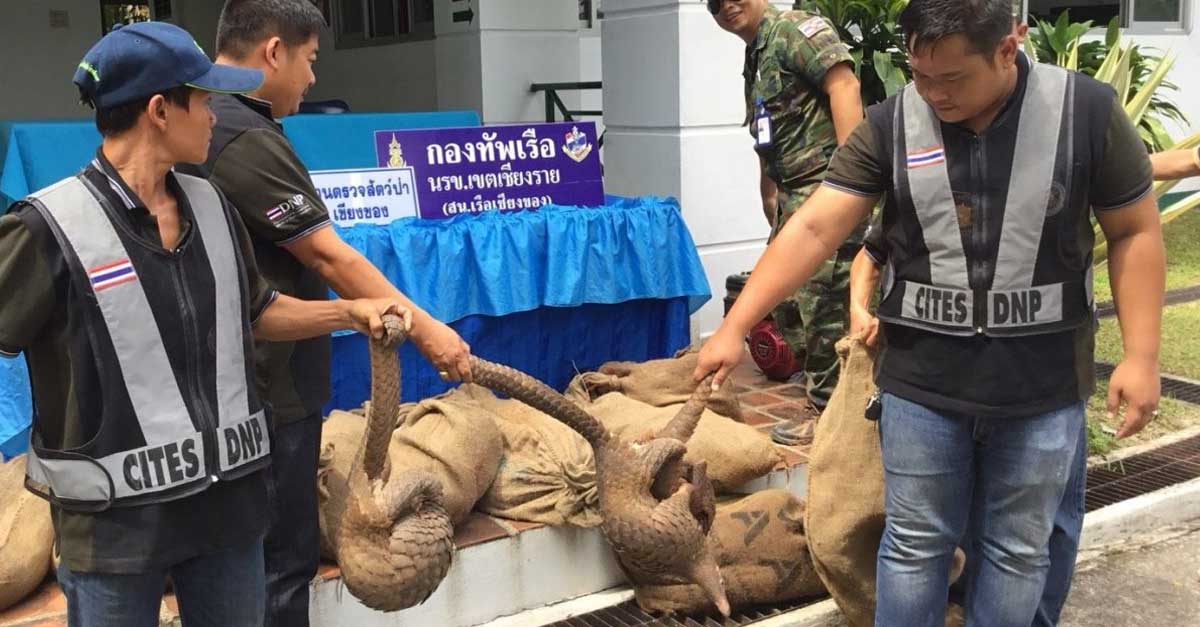
Thai authorities have rescued 40 live pangolins that were being smuggled in a boat from Laos to Thailand.

The pangolins were found in sacks aboard the vessel that had crossed the Mekong River. The animals are said to have been bound for restaurants and traditional medicine shops in Chiang Rai, and were worth around 615,000 Thai baht.

The smuggler, who attempted to bring the pangolins across the border at Thailand’s Ban Chaem Pong border point from Bokeo Province in Laos, escaped arrest.

In Thailand, the smuggling of pangolins is a violation of the 1992 Wild Animal Reservation and Protection Act.

Meanwhile in Laos, regulations on wildlife trafficking are getting tougher, with the Prime Minister himself issuing an order last week on increased stringency in management and inspection of protected wild flora and fauna. The order was issued to tighten implementation of forest plant and wildlife protection, especially those species which are classified as endangered.

Under the new order, border checkpoint staff and police officers are being instructed to increase vigilance regarding inspections for trafficking of wild animals and plants. Any immigration officers found aiding or assisting wildlife traffickers will be immediately arrested and prosecuted.

Source: The Nation
Photo: The Nation

PM Sisoulith: First Half of 2018 Sees Economy Grow at 6.7%

Prime Minister Thongloun Sisoulith told the 5th Ordinary Session of the National Assembly on Tuesday that the country’s economic development has been advancing as expected with the first half of this year seeing a growth rate of 6.7%.

Based on data collected in the first four months of this year, agriculture is expected to rise by 2.9% and manufacturing and service are expected to climb by 7%, and 7.9%, respectively, in the first half of 2018.

The government has expected that GDP per capita of the country for the first half of 2018 will reach USD $2609.

Prime Minister Sisoulith said that national revenue collection in the first half of the year is likely to reach 12,084 billion kip, equivalent to 47.48% of the target set for 2018. Meanwhile government spending for the same period is expected to reach 15,731 billion kip, equivalent to 47.95% of the annual plan.

“In the first six months of 2018, although the government has encountered budgetary difficulties, the government has attached attention to addressing debts through a number of means to boost economic growth as the government has allocated a budget of 529.76 billion kip to settle debts of 1,831 projects,” said the Prime Minister.

The premier also addressed government monetary management efforts saying that such efforts have contributed to national currency stability and adjusted interest rates to market mechanisms, as a result the gap between loan interest and deposit interest has become acceptable.

Inflation rate in the first four months was 1.62%, decreased by 1.8% year on year. The KIP appreciated 0.5% against the US dollar but depreciated 6.82% against the Thai baht due to increasing imports from Thailand.

Source: KPL

48 hours in Vientiane

Eat

Breakfast at Kung’s

The Tale of the Nang Fish

Why does the Pa Nang have only one ribcage?

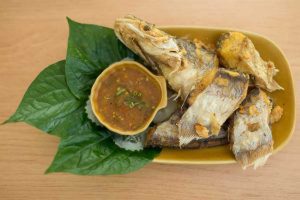
It’s just one fish among many in the traditional cuisine of Laos, but the Pa Nang has one physical characteristic that sets it apart – just half a ribcage.

And while there is likely a convincing scientific explanation for this arresting detail, the folklore that has sprung up around the Pa Nang – which translates directly as “Lady Fish” – is far more interesting.

What would you do if you knew that you were the only one who could stop an impending war between two rival kingdoms? This was the quandary in which one fabled princess found herself so long ago, whose noble but tragic decision not only brought peace throughout the land, but also gave birth to an entire species.

Long, long ago, our ancestors spoke of a beautiful and magical princess, whose comeliness and virtue were reminiscent of those of the legendary Nang Soumountha. It was said that whoever was honorable enough to wed the princess would bring tremendous prosperity and richness to his people. Her beauty spread far and wide across the many kingdoms, finally capturing the hearts of two valiant princes of two of the most powerful kingdoms in all the land.
Upon hearing of the other’s intention of courting the princess, each prince fervently mobilised his army to wage war against the other in the name of love. No side could bear the shame of losing the princess to the other without a fight.

Realising that neither side would yield, the princess, in a selflessly heroic move, sacrificed her own life to save the thousands that would die in warfare. Before her untimely death, she instructed her trusted aides to halve her body and offer one side each to both princes.

“I wholly (and/or half-ly) give myself to both of you, whom I adore and love equally. My last request is to throw each half of me into each of your respective Kingdom’s rivers. This way, I shall bring richness to both your lands.”

The princes woefully did as they had been instructed. Once each half had been submerged into the water, it magically became a fish, and like the form from which it came, had only half of a ribcage.

While neither prince had intended to bring harm to the princess, they were most certainly blinded by love, each galvanised by his own interpretation of the infamous ‘if I can’t have you, no one will’ mantra. In the end, the princess had lived up to what she had promised. The fish replenished the rivers and provided sustenance to the peoples of both kingdoms and the land was showered with prosperity for years to come.

In her last moments, the princess must have thought to herself “if neither can have me, at least everyone else will.

This is how the fish got its name, Pa Nang (translated literally as “Lady Fish”). And that is why this particular species of fish has only half a ribcage, because of the fabled sacrifice so long ago.

The Pa Nang has been enjoyed by the Lao people for generations. It is generally prepared boiled or fried and can be had on any occasion. A fresh dish of fried Pa Nang is available at the famous Kualao Restaurant. Don’t forget to take a look at the half ribcage!


Originally Published in: Champa Meuanglao