Home Blog Page 6387

470,000 Cartons of Milk Donated to School Children

The Vientiane Education and Sport Department, Honda New Chip Xeng Co., Ltd. and Dutch Mill Co., Ltd. have come together to donate 470,000 Ultra-High Temperature (UHT) cartons of milk to over 3,400 schoolchildren in Vientiane.

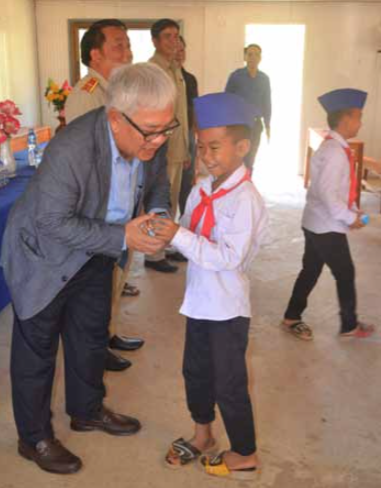
A ceremony was held last Monday to mark the start of the project, attended by Vice President of the Honda New Chip Xeng Co., Ltd., Mr Saneu Chounramany, who took part in personally handing out milk cartons to the children.

The project spans a six month period and covers nine schools in Sangthong, Sikhottabong, Xaythany and Pakngum districts.

Speaking at the donation ceremony, Mr Saneu said it is necessary to raise children’s awareness about the importance of drinking milk every day, together with exercising and sport, for the growth of healthy bodies.

He said the donation was supported by Dutch Mill Co., Ltd., who plan to promote health and nutrition in Lao schools by increasing milk consumption to stimulate growth and strengthen children’s bones.

Regarding the vision of our company, we wish to see all people living healthily, especially when it comes to children. We are glad to be partnering with Dutch Mill in the provision of valuable resources, which promote good health and nutrition, Mr Saneu said.

A senior official from the Sangthong Education and Sports office, Mr Bou Kham-Ai, said The project’s support by the private sector has made the government policy of providing milk to schools possible. The government already had plans to implement a similar project but faced many challenges in terms of budget.

Our wish is to see Honda New Chip Xeng Co., Ltd. provide milk to other schools in Sangthong because the district is poor and children in many schools still lack good health and nutrition, Mr Bou Kham-Ai said.

According to the department, the project was agreed upon last June, marked by a signing ceremony between the Vientiane Education and Sports Department, Honda New Chip Xeng Co., Ltd. and Dutch Mill Co., Ltd.

Source: Vientiane Times

Animal Feed Technicians Beef Up Analysis Skills

The Animal Feed Laboratory Centre at the Livestock and Fisheries Department and the Faculty of Agriculture at Thailand’s UbonRatchathani University last week held a training session on feed composition analysis for the improved management of animal feed.

Almost 20 trainers and technicians received certificates after the five day course held in Vientiane.

The trainees came from the Animal Feed Laboratory Centre, National Agriculture and Forestry Research Institute, Agriculture and Cooperative Promotion Department, Vientiane livestock and fisheries section, Nabong Agriculture College, Northern Agriculture and Forestry College and Dongkhamxang Technical Agriculture and Forestry School, along with animal feed laboratory representatives from the Khoumvang Mai Company.

Through the course, participants learnt about the management and inspection of animal feed quality, the rules and principles applied in animal feed laboratories, how to collect and prepare animal feed samples for analysis, preparation of chemicals for animal feed analysis, and the humidity analysis of animal feed.

They also learnt how to analyse the content of animal feed and to check imported meat for the presence of disease, as taught by Thai specialists.

The course is important for the production of animal feed, processing and mixing as well as the inspection and certification of the quality of animal feed along with sharing information with students and those who operate animal feed businesses.

The lessons learnt will help with the management of animal feed that is processed in Laos and imported, ensuring that it is safe and hygienic. Good quality feed is necessary to meet the growing demand for raising livestock, with more animals needed for local consumption and for export.

Deputy Director of the Livestock and Fisheries Department, MrBounthongSaphackdy, said he believed trainees would share their knowledge with other agricultural staff and te chnicians around the country.

Course participants w ould be able to analyse the composition of feed produced within the country and control that used in imports, all with a view to enhancing growth of the livestock industry, he said.

The course was part of the Quality Laboratory Animal Feed Development Project, which is a cooperation project between Laos and Thailand.

The project was supported by the Thailand International Cooperation Agency with technical assistance and animal feed analysis equipment used in animal feed laboratories.

Source: Vientiane Times

Lao, Vietnamese, German Cooperation Conserving Siamese Crocodile

Lao-Vietnamese-German cooperation is currently initiating the creation of a new conservation area for the endangered Siamese Crocodile in Laos.

Based on a joint Memorandum of Understanding, the National University of Laos (NUoL), Institute of Ecology and Biological Resources (IEBR) in Hanoi (Vietnam), and the Cologne Zoo, Cologne (Germany), have been engaging in biodiversity research and conservation in Laos for six years.

Among the most spectacular discoveries by the working team led by NUoL’s senior official Assoc. Prof. Dr Sengdeuane Wayakone, IEBR’s representative Dr Truong Quang Nguyen, and Prof. Dr Thomas Ziegler (Cologne Zoo) was the rediscovery of the Siamese Crocodile (Crocodylussiamensis) in Khammuan province. The endangered crocodile species was believed to be already extinct in the province.

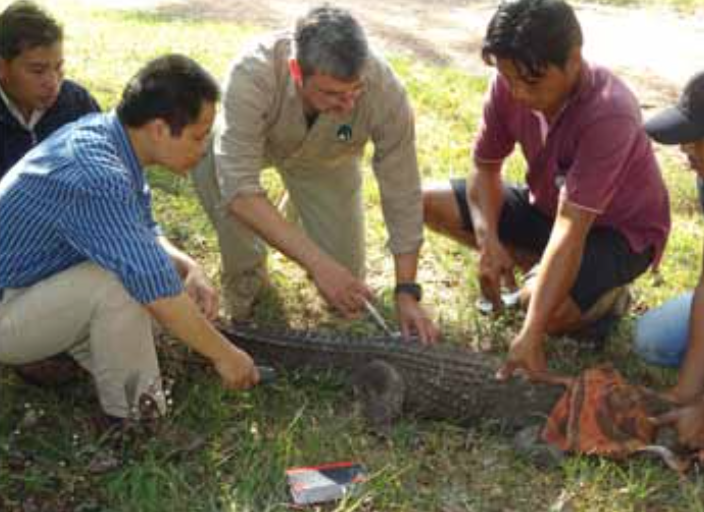
A small population of Siamese crocodiles was discovered in Khammuan’s Ban Soc lakes during recent field research by a team member, Dr Vinh Quang Luu from Hanoi, together with Mr Sisomphone Soudthichak from the provincial conservation authority in Khammuan in spring 2015. Since then, the international team has engaged in the creation of a new conservation area for the rediscovered population.

The Siamese crocodile is listed in the IUCN Red List as Critically Endangered with decreasing population trends, and in the CITES Appendix I, which accords it the highest international protection status.

In Laos, the species is classified At Risk, the highest national threat ranking. The Siamese crocodile was abundant in some parts of Laos until at least the early 1900s. Small breeding populations still persist, but a severe decline in range and abundance has occurred over the past century and now the species is rare or locally extinct at many sites in Laos.

The recent rediscovery in Khammuan province highlights the special biodiversity value of Laos. Further research will be crucial for identifying existing populations of endangered wildlife and for establishing subsequent conservation measures.

The engagement of the Lao-Vietnamese-German team, funded by the Rufford Foundation and Cologne Zoo, finally led to the approval by Khammuan provincial authorities of a Species Conservation Area for the Siamese Crocodile. This was reported to Sengdeuane Wayakone, Sisomphone Soudthichak, Truong Quang Nguyen and Thomas Ziegler during a recent team meeting in Khammuan province this month. The newly established reserve is called Khammuan Siamese Crocodile Conservation Area Ban Soc.

Assoc. Prof. Dr. Sengdeuane Wayakone said The National University of Laos is very happy that we could help and contribute within the framework of our diverse international cooperation to create a new conservation area for endangered wildlife in our country.

Meanwhile, Dr Truong Quang Nguyen said In recent times of diversity decline and habitat degradation, which is in particular topical in Vietnam and Laos, it is important that we put together our expertise and efforts to improve the conservation of threatened wildlife and its habitat. There still remain a lot of research and conservation activities to be done.

But this was not the end of the story, according to Prof. Dr Thomas Ziegler, Cologne Zoo’s Biodiversity Research and Conservation Projects Coordinator for Vietnam and Laos as well as Regional Chairman of the IUCN Crocodile Specialist Group for Europe.

We already have started with Hanoi National University’s expert, Dr Minh D. Le, to genetically test captive crocodiles in Saigon and Hanoi Zoological Gardens in Vietnam as well as in th e Lao Zoo. Unfortunately, there are many hybrid individuals kept among farms and also in zoos, so it will be crucial to identify pure ones. This is a prerequisite for conservation breeding and subsequent restocking measures of captive individuals to the wild to support the last remaining, strongly diminished Siamese crocodile populations in nature. It further underlines the important role which zoos can play today in wildlife conservation, he said.

Acting President of the National University of Laos, Prof. Dr Somsy Gnophanxay, said This is a wonderful example of how research engagement and international cooperation can contribute to substantially improved species conservation in the tropics, where diversity is highest but also most severely threatened.

Source: Vientiane Times

Govt, Overseas Partners Join Forces to Tackle Infectious Diseases

The government and international organisations aim to prevent, detect and respond to infectious disease threats by developing a five-year plan supported by the US government.

According to a press release from the US Embassy in Vientiane, the Lao PDR National Five-Year Roadmap sets key targets for 2021 across 19 different categories including countering antimicrobial resistance, strengthening surveillance, establishing emergency operations centres, expanding a skilled global health security workforce, and building a whole-of-government approach to biosafety and biosecurity.

The immediate next step before the plan can go into effect is to seek governmental endorsement for the roadmap by the Ministry of Health and Ministry of Agriculture and Forestry, anticipated to take place in early 2017.

The plan is aligned with the Global Health Security Agenda (GHSA) and the World Health Organisation (WHO) International Health Regulations (IHR).

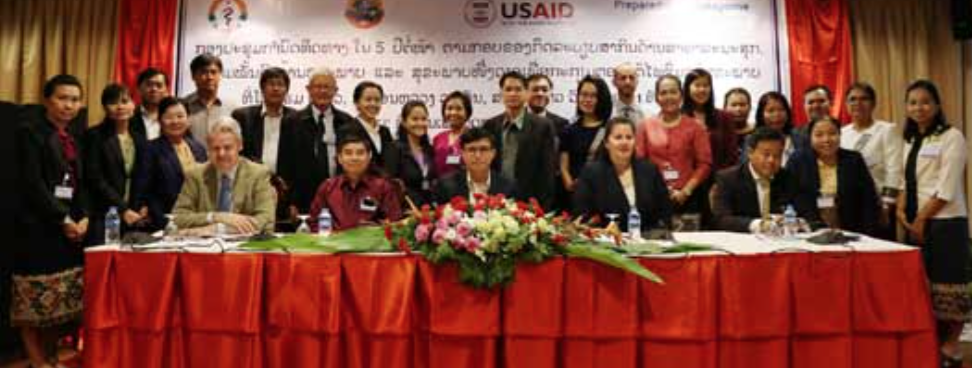
The Ministry of Health’s Department of Communicable Disease Control and Ministry of Agriculture and Forestry’s Department of Livestock and Fisheries, with assistance from the US Government through the US Agency for International Development (USAID), on Tuesday convened over 120 representatives from government agencies and international organisations in Vientiane to create the National Five-Year Roadmap to build capacity within Laos for strengthened prevention, detection and response to emerging infectious disease threats with pandemic potential.

The United States, a key development partner and leader in advancing the Global Health Security Agenda, is providing technical assistance to the Lao government in the formation and implementation of its National Five-Year Roadmap, alongside other donors.

USAID Laos Country Office Director Alexandria Huerta said We congratulate Laos on its longstanding leadership in preparedness for emerging disease threats and we also thank you for your leadership in working across sectors to develop the GHSA Roadmap.

We join you in your commitment to secure not only a safer, healthier, more prosperous Laos, but also stronger and more resilient regional and global public health.

Director General of the Department of Communicable Disease Control, Dr Bounlay Phommasack, said Greater health security is a national priority for Laos. Better partnership and collaboration to address high risk threats within and across borders will help improve our collective ability to achieve GHSA and IHR objectives.

Deputy Director General of the Department of Livestock and Fisheries, Dr Sithong Phiphakkavong, said Protecting human, animal and environmental health is an enormous challenge in today’s world. The GHSA Roadmap presents a vital framework for coordinating across sectors and borders in order to meet this challenge.

Laos currently faces high risk threats including cross-border infectious diseases, and emerging diseases that can pass from animals to humans, particularly during periods of development and environmental stress.

The complex nature of these health threats requires infrastructure, equipment, a skilled workforce, and coordination among government agencies, the private sector, and civil society in order to respond effectively.

Source: Vientiane Times

Rombouts Secures UK Listing For New Single-Origin Coffee Range From Laos and Cuba

Coffee roaster Rombouts has secured a listing in the UK with the Co-operative for its brand new single-origin ground coffee.

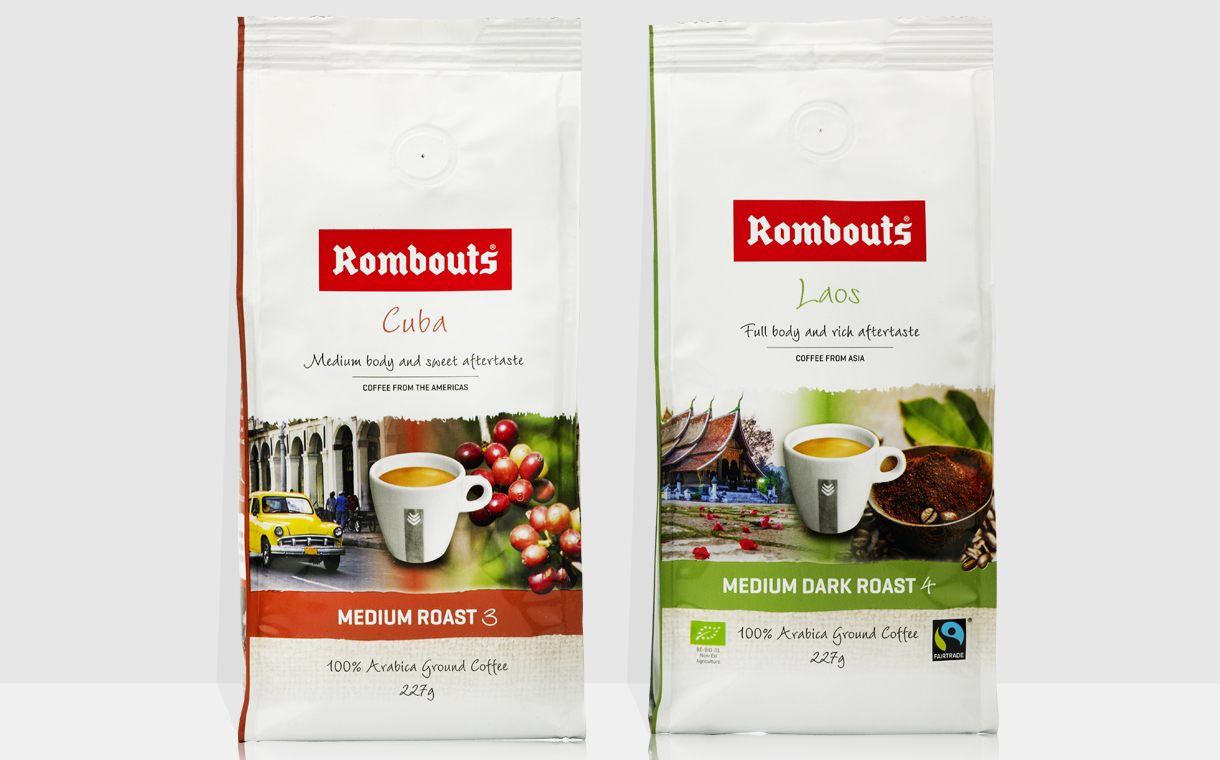
The range is sourced from Laos and Cuba, and is suitable for filter coffee machines and cafetières. To develop the range, Rombouts worked closely with its trusted coffee farmers in both Laos and Cuba to deliver exceptional and distinctive flavours.

In Laos, the company worked with farmers at the Bolaven Plateau to produce a Fairtrade and organic full-bodied, nutty coffee with hints of chocolate and peaches and a rich aftertaste.

Meanwhile, from the Hacienda Isabelica of Gran Piedra in Cuba, Rombouts’ direct trade partnership with farmers has created a lighter, complex-flavoured and medium-bodied coffee, with notes of caramel and cacao and a sweet aftertaste.

Source: Foodbev Media

Printing Association Plans Upgrade of Operations

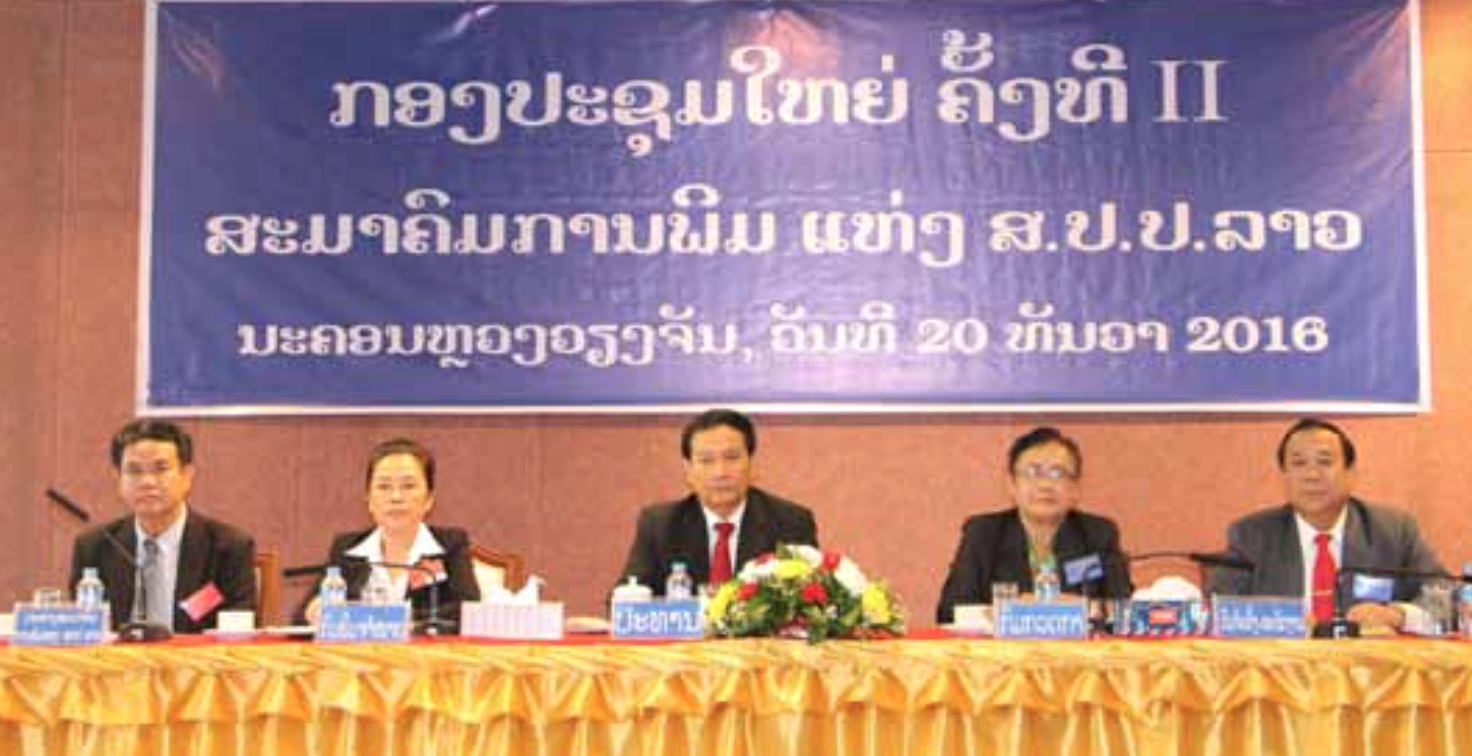
The Lao Printing Association plans to use modern technology to develop its printing and publishing services in line with public demand.

Members of the association from several state and private printing enterprises in Vientiane met yesterday to review the success of their work from 2010-2015 and discuss plans for 2016-2020.

The association’s authorities proposed plans at the meeting, saying they would continue to support the development and design of various products.

They will also continue to improve members’ skills, upgrade printing programmes and send staff for training in neighbouring countries. They asked that all members cooperate in the development of new technology for use in printing and publishing.

The association plans to enlarge its membership in target areas of the country where printing businesses are growing. The Lao Printing Association hopes to increase membership in Vientiane by 30 percent and in the provinces by 20 percent.

The association counts 33 businesses in its membership, comprising six state printing houses and 27 private printing houses in Vientiane.

Deputy Minister of Information, Culture and Tourism Mr Bouangeun Xaphouvong chaired yesterday’s meeting.

Speaking at the meeting, Acting President of the Lao Printing Association, Mr Chanthiam Rathahao, reviewed the main activities from 2010-2015. During this time the association supported the development of printing skills so that printing techniques have improved and new products have been provided to satisfy public demand.

The association and the Ministry of Education and Sports have jointly developed printing programmes for members of the association, including printing design, production management in the printing house and programmes for printers and technicians. These have been set up for a two-year period.

Some officials have attended training of trainer programmes to further develop the industry.

Mr Chanthiam said the association supports its members and other printing enterprises to comply with government policy, regulations and laws regarding printing.

In recent years the association has provided financing to support meetings organised by the government, and has also helped the victims of various social problems as well as people who have migrated to other countries.

The Lao Printing Association has taken part in activities to mark the 35th and 41st National Days, Media and Publishing Day, and Constitution Day.

Source: Vientiane Times

Govt to Get Tougher on Regulation of Investment Projects

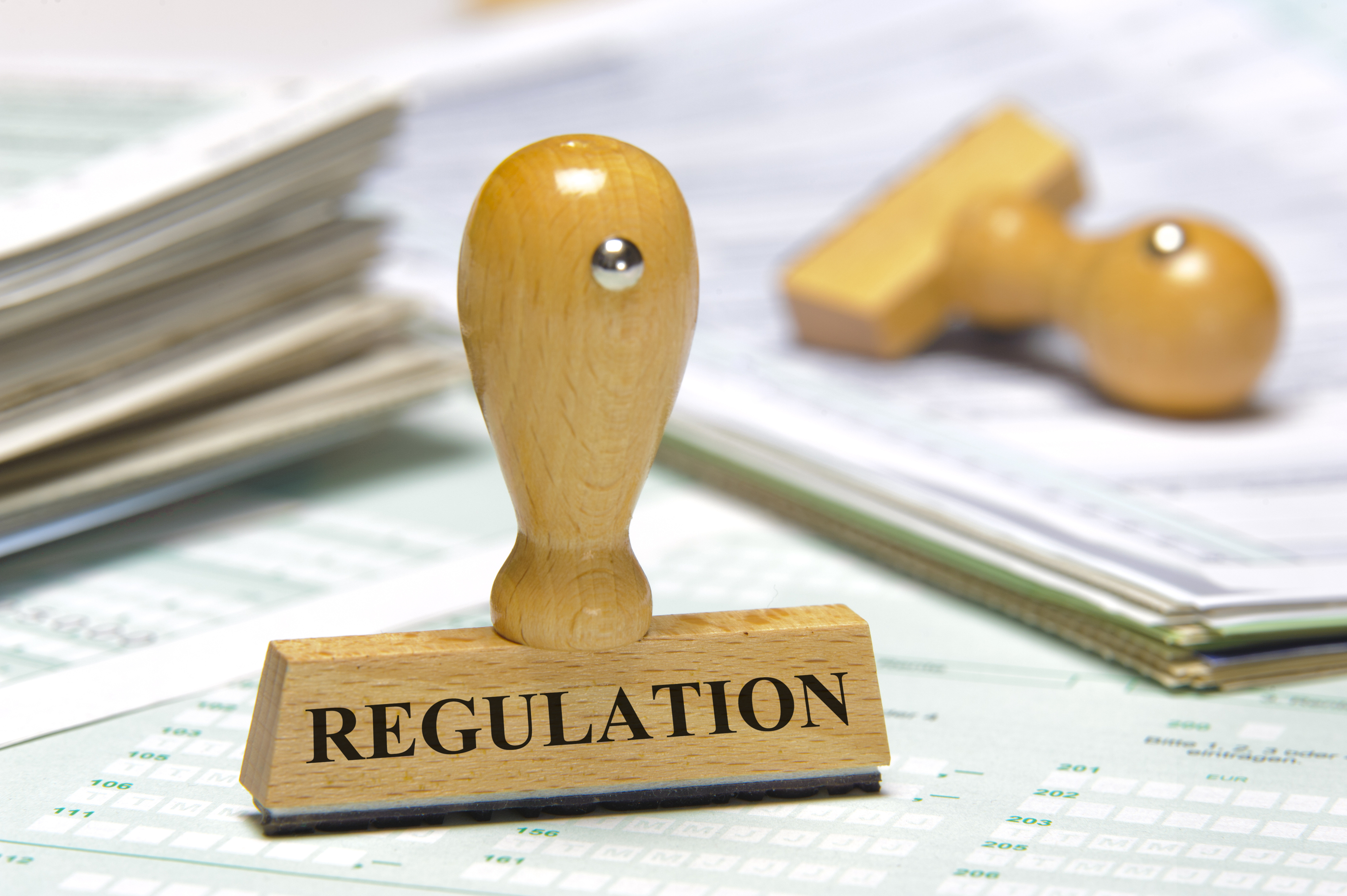
rubber stamp marked with regulation

The Ministry of Planning and Investment has issued an instruction that will more closely regulate government-funded investment projects from the start of work until completion.

The instruction, which was issued on December 19, relates to the implementation of the National Socio-Economic Development Plan over the next year.

The ruling requires the planning and investment, finance, and inspection sectors to participate in the early stages of contract negotiation, procurement and hire, and bidding on government-funded investment projects.

This is aimed at ensuring their transparency and effectiveness, in compliance with the instruction, which referred to the Government Decree dated January 6, 2015, on early government investment project inspection to ensure transparency of implementation.

Under this instruction, all procurement and hire contracts, as well as payment claims for project instalments, will be valid only if they are certified with a signature from the planning and investment sector. Inspection of work done so far has to be carried out in order to claim project instalments. Inspections will be done once or multiple times based on the contract.

Inspections of the use or testing of the use should take place before the handover of fully completed projects. This is in line with Article No. 71 of the Law on State Investment and other regulations.

A committee must be set up to make decisions on every modification, postponement, change of purpose, or cancellation of any government project.

Ministries and government agencies, as well as provincial authorities, that have received any state budget, have to report on the use of all money received. For completed projects, a report must explain how the money has been used and benefited the sector concerned, as well as local authorities and the public.

The government plans to spend around 3.3 trillion kip to fund development efforts next year. Of this, 70 billion kip will be allocated to various sectors and local authorities to provide joint funding with foreign assistance.

However, the government has issued a prohibition on the payment of money and on project developers using planned funds for other purposes when the original project cannot be carried out.

The developer must submit a proposal to the Ministry of Planning and Investment before using allocated funding for other purposes.

The government has also allocated about 1.6 trillion kip to fund projects that have been implemented but have yet to be completed.

Provincial People’s Assemblies are responsible for monitoring local investment projects, while Vientiane authorities are responsible for investment projects by sectors that are implemented in the provinces and Vientiane.

The instruction also prohibits the government from carrying out any unapproved investment projects, or projects in which private companies have invested initially and agreed with the government for reimbursement after completion.

The implementation of such projects in recent years has resulted in an increase in chronic public debt.

Source: Vientiane Times

PSI Provides US$2.4 Million to Fight Malaria

Population Services International to Laos (PSI) has agreed to provide over US$2.4 million for fiscal year 2017-2018 to strengthen the private health sector’s capacity to combat malaria.

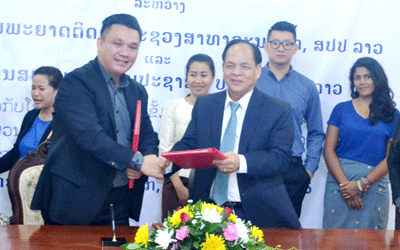
A signing ceremony for the agreement was held on Tuesday between the Director General of the Communicable Disease Control Department, Dr Bounlay Phommasack, and PSI representative, Mr Sihamano Bannavong.

The funding for 12 months is part of ongoing support under the Strengthening Capacity Amongst the Private Health Sector for Malaria Prevention and Surveillance project which aims to curb malaria in the three southern provinces of Champassak, Saravan and Savannakhet.

Speaking at the signing ceremony Dr Bounlay Phommasack said the project would cover malaria prevention and surveillance in the three provinces because they had the highest rate of the disease in the country.

He said the support would provide training on the treatment and reporting of malaria for the owners of pharmacies, clinics and private hospitals to assure quality of treatment, diagnosis and reporting of malaria cases according to government policy.

For several years, officials and local health authorities had been promoting the regular emptying of containers that collect standing water, and the clearing of any undergrowth around homes, he said.

Every family should throw out water that collects in jars, vases and dishes and should cover such vessels to prevent more water filling them up. Schools, hospitals, factories, hotels, restaurants, tourist facilities and offices should organise cleaning activities to remove any sources of stagnant water to prevention malaria, he added.

He explained the important role the project was playing in fighting the disease under the National Prevention and Control Malaria Strategic Plan (2016-2025) and Plan of Action (2016-2020) to provide a common framework for all stakeholders to accelerate the nationwide scale up of evidenced-led malaria reduction interventions by the government, development partners, the private sector and all stakeholders.

It stipulates the priority interventions, strategic re-orientation and investment required for achieving the goals and targets.

PSI representative Mr Sihamano Bannavong said they would continue to provide support to Laos for malaria prevention and control.

We learned many important lessons this year in terms of social mobilisation, the need to use an integrated multispectral approach for malaria control, and getting communities involved in maintaining a clean environment to prevent the breeding of mosquitoes, he said.

Source: Vientiane Times