

Additional reporting by Simmavanh Vayouphack
When temperatures climbed above 40°C across many parts of Laos this summer, Lao Friends Hospital for Children on the outskirts of Luang Prabang began losing electricity several times a week, with each outage lasting a few hours.
The blackouts left doctors, nurses and patients struggling through stifling heat. They also disrupted hospital operations that depend on constant power.
The outages came at the worst possible time. As temperatures soared, thick smoke from slash-and-burn farming spread across northern Laos and drifted in from neighboring Thailand and Myanmar, pushing air pollution to dangerous levels and sending more children to the hospital with breathing problems.
“We have seen many infants under one year old with bronchiolitis, an inflammation of the small airways,” said Dr. Annkham Thammaseng, who runs the pediatric ward. “Heat and PM2.5 pollution can aggravate the condition. By the time they reach the doctor, their symptoms are often severe.”
Many of those young patients need oxygen support. But oxygen concentrators rely on electricity.
“When power outages occur, medical staff have to manually switch to oxygen tanks,” she said. “This is especially challenging when it happens at night.”
Rising fuel prices and inflation have added another burden, increasing the cost of running diesel generators, the hospital’s last backup when the grid fails.
The scene reflects a paradox in Laos, nearly all households are connected to electricity, yet power remains unreliable when people need it most.
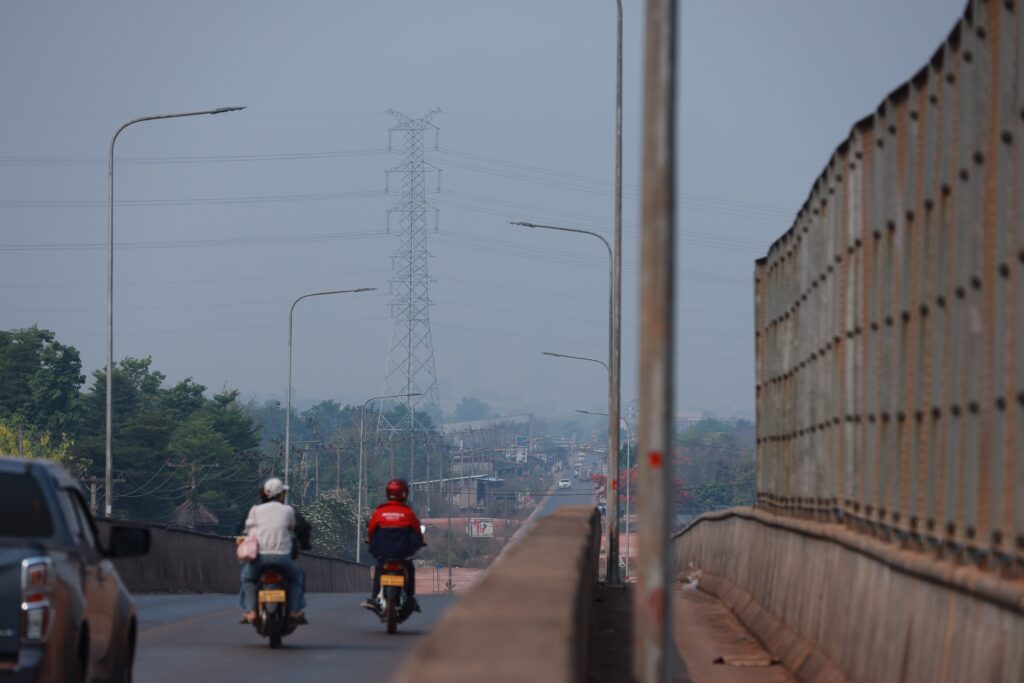
For two decades, Laos has built one of its economic pillars around electricity exports, promoting itself as the “Battery of Southeast Asia.” Hydropower dominates the energy system, supplying most of the country’s electricity, while dams along the Mekong River and its tributaries send power to neighboring Thailand, Vietnam, Cambodia, China and Myanmar.
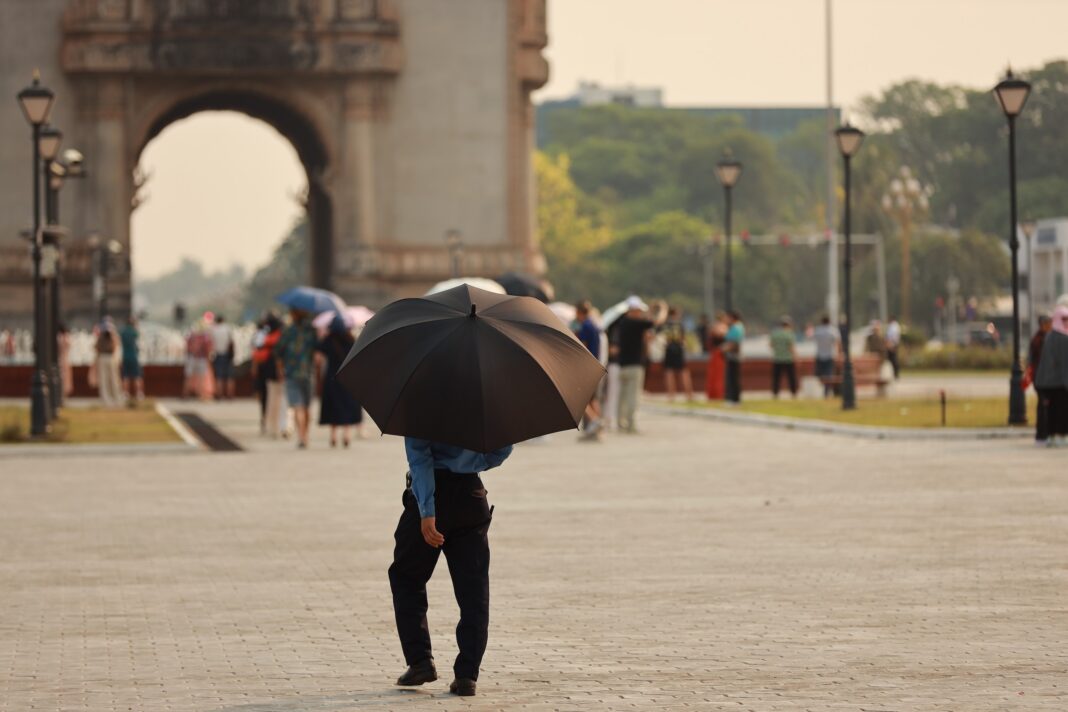
Yet many Lao families still face blackouts during the hottest months of the year, limiting their ability to cope with intensifying heat. Luang Prabang and other parts of the country have recorded temperatures of 43°C since 2023.
Structural Challenges
Laos had 12.4 gigawatts of hydropower capacity in 2025, accounting for 73 percent of its electricity mix and 71.5 percent of annual electricity generation, according to GlobalData’s recent Laos Power Outlook, cited by the International Water Power & Dam Construction report. The remainder comes from coal, solar and wind power.
Power outages and unstable electricity supply in Laos often become most severe during the hot season, when rising temperatures drive higher demand for cooling and place added strain on the grid.
The causes are multiple, but they point to structural problems in the energy sector that require reform, stronger grid management and greater diversification of power sources.
During the wet season, high river levels allow hydropower dams to generate surplus electricity, much of which state utility Electricité du Laos (EDL) exports to Thailand and other neighboring countries. In the dry season, however, river flows decline just as domestic demand rises with extreme heat and greater cooling needs.
This seasonal imbalance has forced Laos to import electricity, often from Thailand, at higher prices to stabilize supply. In 2023, a drought year, those imports cost an estimated USD 240 million, according to a report by the Lowy Institute.
The deeper challenge lies not only in seasonal shortages, but in the structure of the power system itself. Analysts say Laos invested heavily in new hydropower generation, much of it backed by foreign loans, without matching investment in transmission networks, distribution systems and realistic domestic demand growth.
The World Bank estimated that Laos had a domestic power surplus of 8,100 GWh in 2021, projected to rise to 16,900 GWh by 2025. This is enough to supply 10.1 million people based on 2023 consumption rates, well exceeding the current national population.
In practice, this means significant generating capacity remains underused while households and businesses still face outages caused by weak grid infrastructure.
At the same time, EDL has faced mounting financial pressure from debt linked to years of expansion. Despite these challenges, Laos continues to pursue new energy projects, including solar and wind, while seeking to maintain its role as a regional power exporter.
Late last year, EDL announced reforms aimed at improving the utility’s finances and grid performance, including installing new transformers, expanding solar generation and restructuring debt repayments. The company said it cut operating costs by 21 percent and increased revenue by 12.8 percent in 2025 compared with the previous year.
While officials focus on reforms and new infrastructure, households are finding their own ways to cope with rising heat.
Cooling for Some, Not for All
In Vientiane, Odien Mall, one of the capital’s main electronics retailers, has grown busier as heatwaves have become more frequent in recent years.
“We cannot say that air conditioning is unnecessary anymore,” said Poulida Phalasayotha, the mall’s general manager. “It is very uncomfortable to live without it.”
She said demand for air conditioners has risen by around 30 percent over the past three years as temperatures continue to break records.
Outside the capital, however, the cooling boom is uneven.
Kaysone*, an air-conditioning technician who installs units in hotels, offices and wealthier homes, does not own one himself. At the family house where he lives on the outskirts of Vientiane, electricity is too unstable.
Modern inverter air conditioners need steady power to run efficiently. Frequent outages force them to restart repeatedly, increasing electricity use and shortening the lifespan of the machines. For lower-income families, that can turn cooling into an unaffordable luxury.
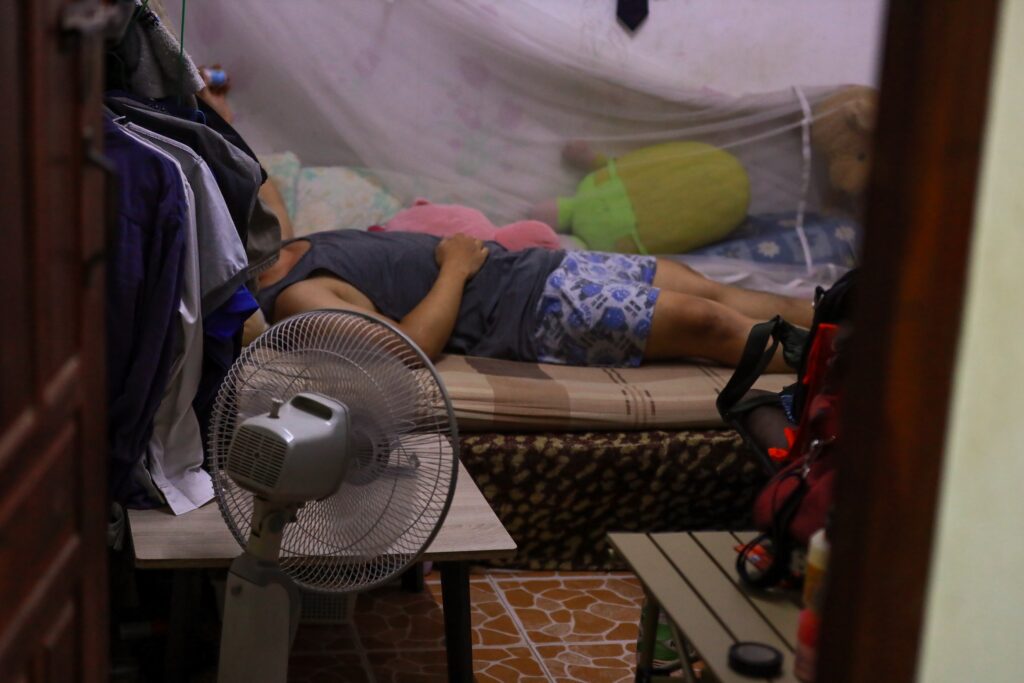
Air conditioners are no longer only for comfort. During haze season, many families also use them to filter indoor air. Like Luang Prabang, Vientiane often experiences smoke pollution, and families without cooling or air-filtering devices can face even greater exposure to poor air quality.
At Mahosot Hospital, the country’s main referral center for lung and respiratory disease, patients often arrive in severe condition, particularly during periods of heavy haze. Doctors say cleaner indoor air and cooling can help vulnerable people, but many households cannot afford such protection.
Some improvements to the grid are underway. In 2026, major transmission projects moved forward to strengthen domestic connectivity while supporting electricity exports to China.
These include the 230-kV Thavieng–Mahaxay transmission line managed by a joint venture of EDL and China Southern Power Grid Company that broke ground in January. The China-Laos 500-kV cross-border power line commenced operations on 30 April.
But while residents wait for a stronger and more reliable grid, they must continue coping with a strained power system amid increasingly dangerous heat and choking smoke.
*Names are changed for the safety of interviewees.
This story was produced in collaboration with Mekong Eye and supported by Internews’ Earth Journalism Network.
