Home Blog Page 6264

Quality Comes First at the Meuang Nong Banana Plantation

Quality Comes First at the Meuang Nong Banana Plantation

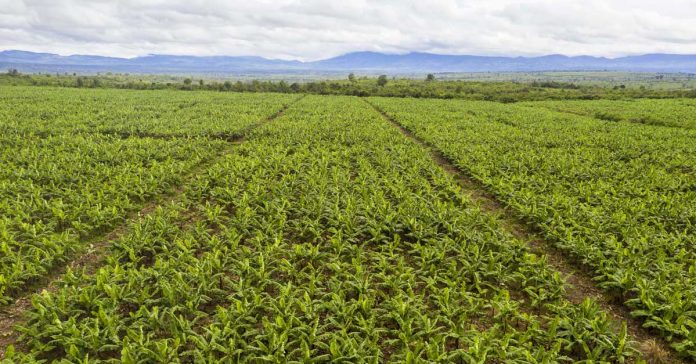
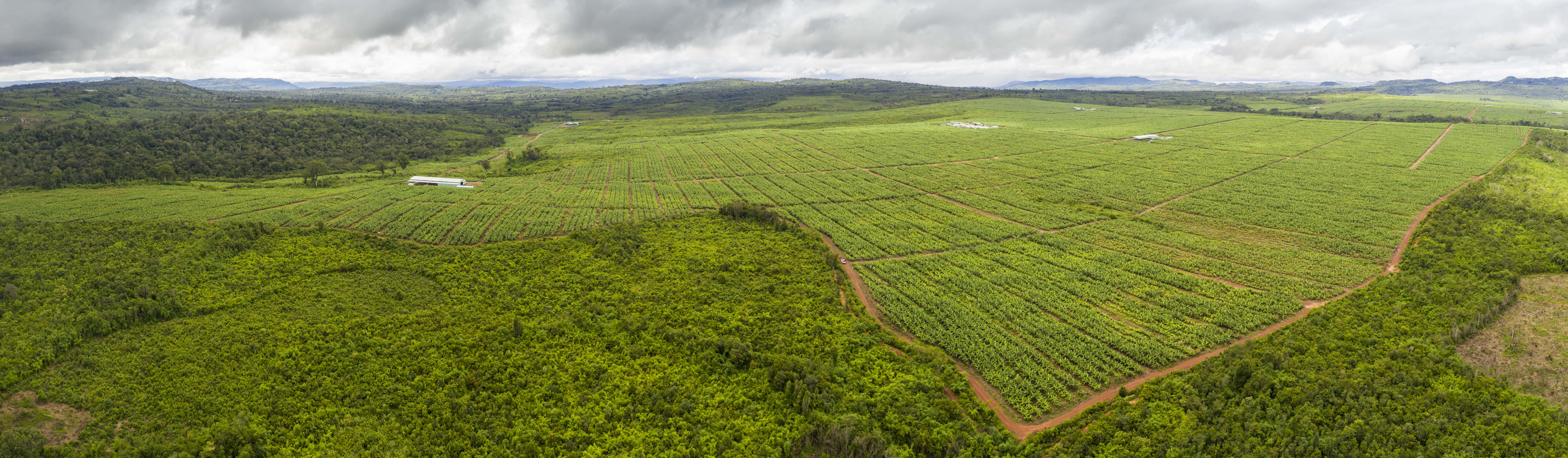
In Meuang Nong, banana plants sprawl as far as the eye can see, leafy and vibrant green, until they meet with the wild shrubbery of surrounding mountains.

In the fields, one planter gingerly inspects a comb while another diligently takes notes, recording the quality and growth of plants. Along with a crew of several other farmers, they make their way across dozens of rows.  

The banana plantation is an investment by Souk Houng Heang Company, whose goal is to create environmentally friendly and sustainable farms, using modern technology in production, as well as harvesting the silkiest, most flavorful bananas possible. Souk Houng Heang works in cooperation with Nafoods Group, a worldwide agricultural producer and exporter from Vietnam, to distribute Lao bananas to European countries and process them for other products.

“We treat our bananas how we treat the food we eat every day with our family,” says Toomkham Phoungmachan, the Lao representative of Nafoods Group. 

“For us, the quality is personal, because it’s the food we eat ourselves and share with the people we love.”
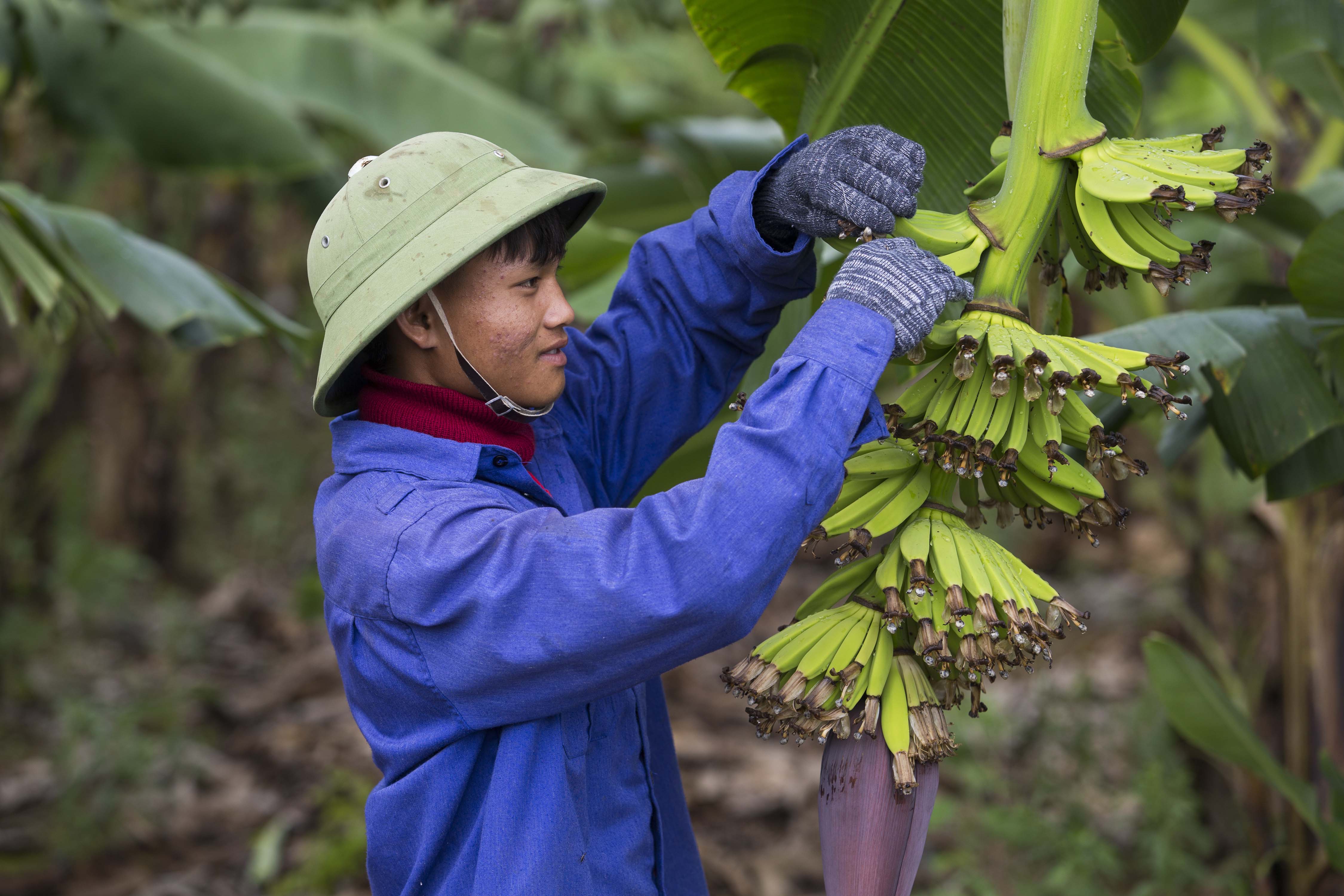
Banana plantations have not always had the best reputation in Laos – and understandably, as they have historically failed their local communities. Foreign-owned banana plantations have been known for polluting water sources, killing fish and other animals, and leaving workers in poor health due to chemical exposure. In 2017, banana plantations became so hazardous to workers that the government banned the expansion of these farms outright.

Part of the mission by embarked on by Nafoods and Souk Houng Heang is to end the practice of excessive chemical use – abuse of herbicides, fertilizers, nutrients and insecticides – that cause workers to fall ill with respiratory and liver problems.

“We have worked hard to make sure that farmers will be happy and healthy, and have no issues with chemical overuse,” explains Phoungmachan. “If you don’t use the right plantation system – from the right chemicals during seeding to the proper temperature storage – this affects everyone from the banana planters to the consumers.”

Souk Houng Heang also hopes to provide safe, sustainable job opportunities to areas where many rely on work from drug trafficking and illegal wood-cutting, industries damaging both to their communities and the environment. 
“We want to create a business that strengthens the community, drives the local economy, and creates secure and safe employment,” says Phoungmachan.

Despite Nafoods’ focus on supporting local communities, finding the right place for their farms hasn’t been easy. Meeting their standards requires a procedural overhaul – one many farm-owners aren’t prepared to make. From maintaining a precise temperature control during storing to the careful cataloging of plants farmers are performing today, Nafoods requires farmers to exercise an extra level of vigilance in each step of their production. 

 “Because we are a clean business, there are so many different things owners must comply with and change about their farms,” Phoungmachan explains. “So we are so grateful to our partners and thankful that we have finally found the right ones.” 

It may be a slow, laborious process of change – but the payoff could be huge. As Phoungmachan says, “I hope one day I’ll see the Lao banana stamped safe and clean, and sold in grocery stores around the world.”

Originally published in Champa Meuanglao Magazine.

Text BY Julia Case-Levine
PHOTOGRAPHS BY Phoonsab Thevongsa
Second Sustainable Tourism Solutions Expo a Great Success

Second Sustainable Tourism Solutions Expo a Great Success

Hundreds of visitors flocked to the second Sustainable Tourism Solutions Expo (STSE) this past weekend, marking a new commitment to sustainability within the tourism and hospitality industries.

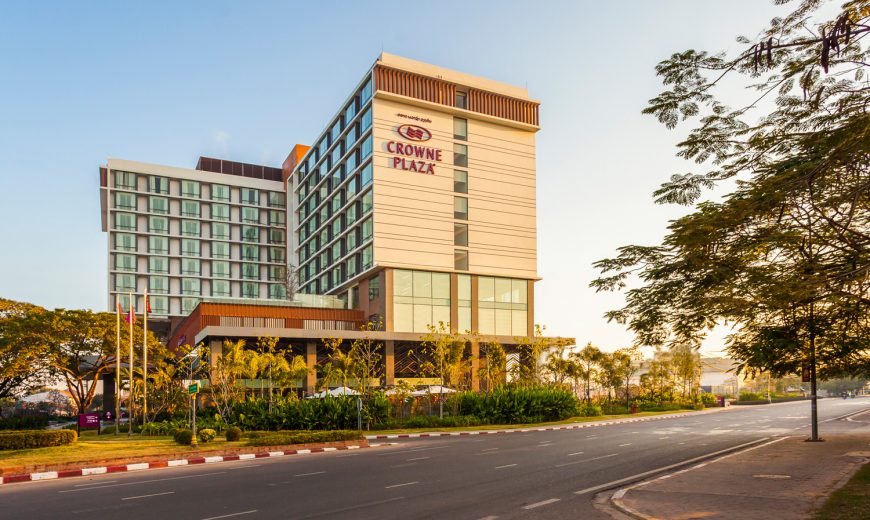
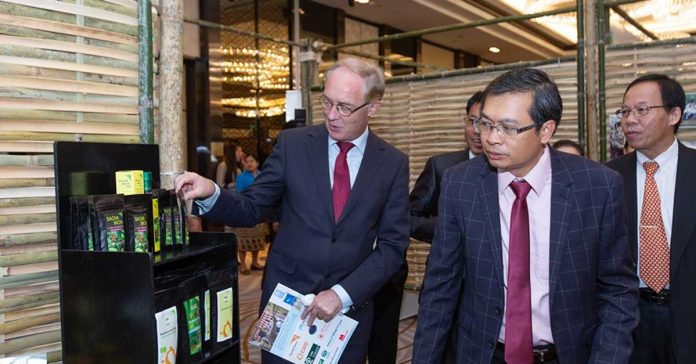
The two-day event held at the Crowne Plaza Vientiane, opened on the morning of 27 September 2019 with a ceremony presided over by Professor Dr. Bosengkham Vongdala, Minister of Information, Culture and Tourism, Mr. Ounethouang Khaophanh, Vice Minister in charge of Tourism at the Ministry of Information, Culture and Tourism, Dr. Saynakhone Inthavong, Vice Minister of Natural Resources and Environment, as well as Mr. Jens Lütkenherm, Ambassador of the Federal Republic of Germany to the Lao PDR.

Image may contain: 8 people, people smiling, people standing and suit

“I firmly believe that this exhibition will promote the general development of tourism in the Lao PDR, especially in Vientiane Capital, on a green and sustainable path of development,” said Dr. Vongdala in his opening remarks. “It will also promote the creation of Vientiane Capital as a quality tourism destination that will become an ASEAN Clean Tourist City in the future.”

Image may contain: 2 people

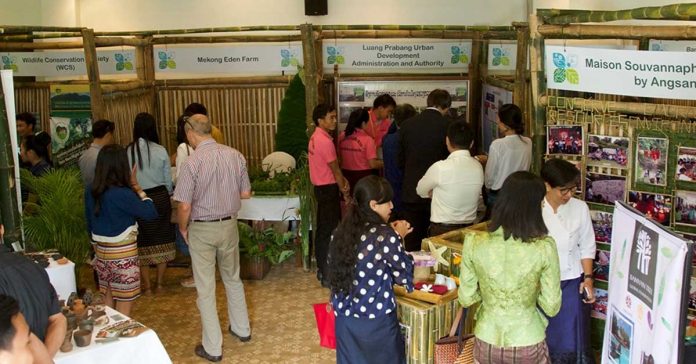
The STSE has proven itself to be the region’s leading specialized fair for the tourism industry to celebrate, explore, and exhibit the latest trends, insights, and technology in sustainable tourism and hospitality practices. This year, in handmade bamboo booths, fifty-four exhibitors from Laos and the Mekong region showcased their products, services, and initiatives over the course of event, which was free to attend. These companies represented several categories relevant to the theme at hand: eco-friendly hotel supplies, handicrafts, organic food, initiatives and projects, as well as responsible tours and accommodation.

Image may contain: table and indoor

Addressing a large crowd of business owners and managers, sustainability experts, as well as Lao government officials, the German ambassador remarked during the opening ceremony that “The tourism sector is becoming ever more important for the economy of Lao PDR. Today, it already ranks third among the export industries in this country. The Lao tourism sector has great potential to further grow and provide many more qualified jobs. In order to align the tourism industry with the overall green growth strategy, sustainable tourism solutions play a crucial role in the development of the sector.”

Feedback collected from exhibitors and visitors showed that the event was incredibly fruitful on both sides, with hundreds of new business contacts made, supplier contracts signed, and an immeasurable amount of information exchanged.

The second Sustainable Tourism Solutions Expo was organized by the Ministry of Information, Culture, and Tourism, with support from the Ministry of Natural Resources and Environment, the Lao Association of Travel Agents (LATA), the Lao Hotel and Restaurant Association (LHRA), the Small and Medium Enterprises Service Centre (SSC) operated by the Lao National Chamber of Commerce and Industry and the Department of Small and Medium Enterprise Promotion (Ministry of Industry and Commerce) and the Regional Economic Integration of Laos into ASEAN – Trade and Entrepreneurship Development (RELATED) Project of the German Development Cooperation.

First J-pop Style Girl Band Makes Debut in Laos

First J-pop Style Girl Band Makes Debut in Laos

A girl band inspired by Japanese pop music, or J-pop, has made its debut in Laos, in an apparent move that it hopes to reproduce the success of the mega-hit Japanese girl group AKB48.

The group Lao Navy, which consists of seven Lao girls aged between 14 and 21, presented its first performance at the Japanese Culture Day in the Lao capital Vientiane on September 21, Tokyo-based news agency Jiji News reported.

The group is produced and managed by a Japanese businessman based in Vientiane who hopes to lay out the foundation of a platform that nurtures more girl groups in the country.

“I have been a big fan of Japanese animations since I was young. My dream was to become a member of a girl band,” said Ami, a member of Lao Navy as well as a student at the Lao National University, as quoted by Jiji News.

As a part of promotional efforts, the group also plans to participate in cultural events in foreign countries such as Thailand and Japan.

By their look and the style of performance, it is not difficult to tell Lao Navy hopes to follow the footstep of the mega-hit girl band in Japan, AKB48.

AKB48 is one of the highest-earning musical performers in Japan and considered a social phenomenon. As of June 2018, the group has sold over 56 million records, including over 6 million albums.

AKB48 has many sister groups, including the ones overseas.

The group launched its first sister group, BNK48, in Thailand in 2017 targeting fans in Bangkok, while formed one more group CGM48 in June this year focusing on audiences in Chiang Mai.

Lao Tourism Boom attracts Global Hotel Brands

Lao Tourism Boom attracts Global Hotel Brands

International hotel and resort chain Hilton has announced its plan to open the company’s first hotel chain in the Lao capital Vientiane, marking the latest move by several global hotel brands that are flocking to the landlocked country hoping to benefit from its rapidly growing tourism sector.

Hilton celebrated its ground-breaking ceremony on September 9 for the new DoubleTree by Hilton Vientiane with its partner TPD Company, a subsidiary of TK Group in Laos.

The 188-room hotel, which is slated to open in 2022, will be located near the Nam Phou Fountain, an iconic public square in the heart of the town center.

Increasing interest from global hotel brands

Hilton is not alone in its foray into Laos. In recent years, the country has witnessed increasing interest from global hotel and resort brands seeking new business opportunities in Laos, one of the fastest-growing economies in Southeast Asia.

Thailand’s AVANI Hotels & Resorts, for instance, launched its first hotel in the historic town of Luang Prabang last year by rebranding an existing 53-room hotel.

AVANI currently operates 24 hotels and resorts in 15 countries, and Laos was one of the three latest countries that the brand expanded its business along with Australia and New Zealand.

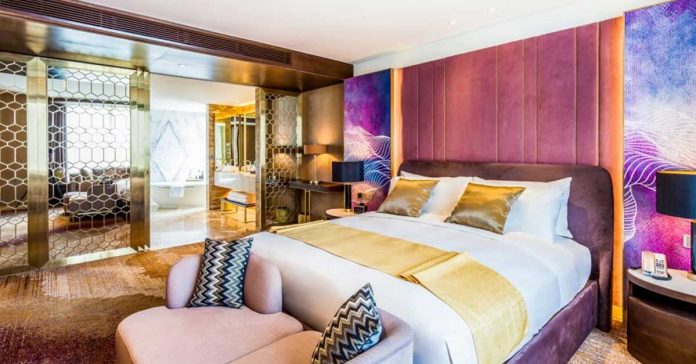
InterContinental Hotels Group (IHG) made its debut in Laos by opening a Crowne Plaza in Vientiane to much fanfare in early 2017.  The company then signed a management agreement with BIM Group in 2017 to develop the first Holiday Inn hotel in Vientiane.

The company said at that time that the 250-room hotel would begin its operations in 2019.

Separately, IHG has also laid out a plan to open the first InterContinental hotel in the country that is set to begin its operation in 2021. The hotel is expected to be equipped with more than 400 rooms.

Promising indicators

Hotel investment inroads by global brands are not a coincidence given the fact that the tourism sector plays a significant role in the Lao economy, and it is evident that the government is determined to nurture it further.

The Lao government last year launched the Visit Laos Year 2018 campaign to attract more tourists, followed by this year’s bilateral Visit Laos-China Year 2019.

The country has upgraded and is to expand its airports and means of public transport while the improvement works for tourism-related facilities are underway in many provinces, including famous tourist destinations such as Vang Vieng.

The government expects that tourist arrivals will exceed 6 million by 2020 and generate income in excess of USD 993 million.

Accordingly, the growth of the tourism industry in Laos is expected to create more jobs and contribute to its economy, according to the latest report by the United Nations’ World Travel and Tourism Council.

The report indicated that tourism has directly resulted in 114,000 jobs being created in Laos, and it is expected to rise to 121,000 jobs in 2028, which will represent about 3 percent of total employment.

Tourism and related services, as a while, have generated more than 385,000 jobs in Laos, helping to improve per-capita income for people in the country, the report added.

Fierce competition

The increasing number of players means rising competition, and it is doubtless among the factors driving demand affecting considerations on the viability of the business in the country.

Mercure Vientiane is believed to be among the latest that faced such a challenge.

The Vientiane branch of the international hotel chain ceased its operations on March 1, for reasons that were not disclosed.

The 172-room hotel used to operate under an Accor Novotel brand franchise back in 1993 and continued under the Mercure banner until its closure.

Vientiane already has more than 300 hotels and guesthouses, but the arrival of the 200-room Crowne Plaza is believed to have put other top-end hotels, such as Mercure Vientiane, under pressure.

Mercure Vientiane’s proximity to the larger and newer Crowne Plaza Hotel by IHG was pointed out as one of the possible factors to contribute to the hotel’s decision to close.

According to the Laotian Times’s estimation, there are currently about 20 hotels across Laos that are either managed or invested by international hotel brands.

LXML Handover Artifacts Discovered in Sepon Mine to Government

LXML Handover Artifacts Discovered in Sepon Mine to Government

Today, Lane Xang Minerals Limited Sepon (LXML) handed over more than 7,800 artifacts to the Lao Government. These artifacts – made up of copper, bronze, chalcedony (regular gems), ceramic, wood among others – have been discovered on site at Sepon mine. This is an outcome from LXML’s decade-long support to the Lao Government in archaeological research and cultural heritage preservation.

On behalf of LXML, Mr Saman Aneka – Managing Director handed the artefacts to Ms Vanpheng Keopanya – Director of the Lao National Museum; Mr Nalathiveth Ammalathithada  – Director of Savannakhet Museum and Ms Touythong Keovongsa – Head of Vilabouly Information, Culture and Tourism Office under the honourable witness of Mr Bouageun Saphouvong – Vice Minister of Information, Culture and Tourism; Mr Khamphoune Touphaythoune – Vice Governor of Savannakhet Province and concerned officials from central, provincial, and district level.

After the handover, these artifacts will be showcased at the Lao National Museum (828 items handed), the Savannakhet Museum (409 items handed), and the Vilabouly Cultural Hall (6,644 items handed).

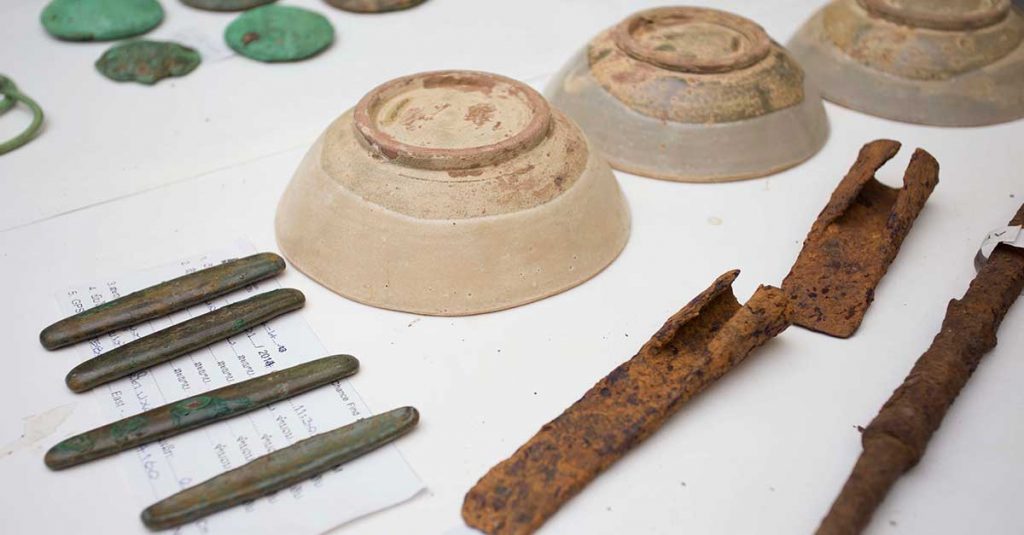
 Copper ingot is a product from ancient mining, before being processed into a tradeable product 1,000-2,500 years ago. These copper ingots were unearthed at Sepon mine.
Copper ingot is a product from ancient mining, before being processed into a tradeable product 1,000-2,500 years ago. These copper ingots were unearthed at Sepon mine.

“Implementation of the MoU has led to a remarkable outcome reflecting the extensive effort and ownership of all those involved” said Mr Bouageun Saphouvong, Vice Minister of Information, Culture and Tourism. “Apart from the ancient artefacts discovered throughout the technical processes, compliance to related laws and regulations, and procedures of LXML; we’ve also gained significant scientific historical and cultural evidence that reflects ancient political and socio-economic governance especially how the industrial and commerce sector was governed back then at a local, national and regional level.”

Since 2008, LXML has invested over US$1.3 million in supporting 3,000 years of Lao history and heritage through our archaeological research with the Department of Heritage (DoH) of the Ministry of Information, Culture and Tourism, the National University of Laos, and James Cook University of Australia. The program sponsors fieldwork that unites a unique community at local, national and international levels. Volunteers from Vientiane, local villagers, Australian and Lao students, archaeologists and Lao officials from the DoH stationed at Sepon mine cooperate closely together to conduct research.

LMXL Hands Over Ancient Artifacts to Lao Government
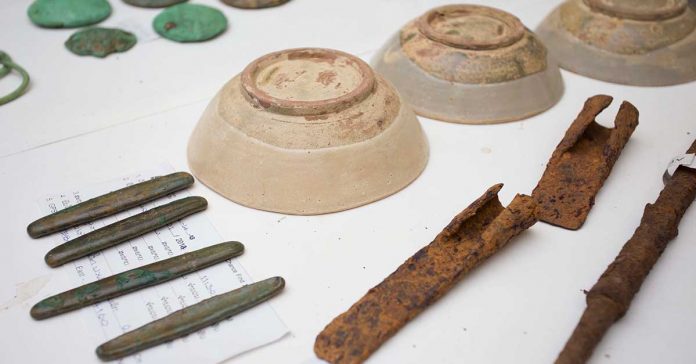
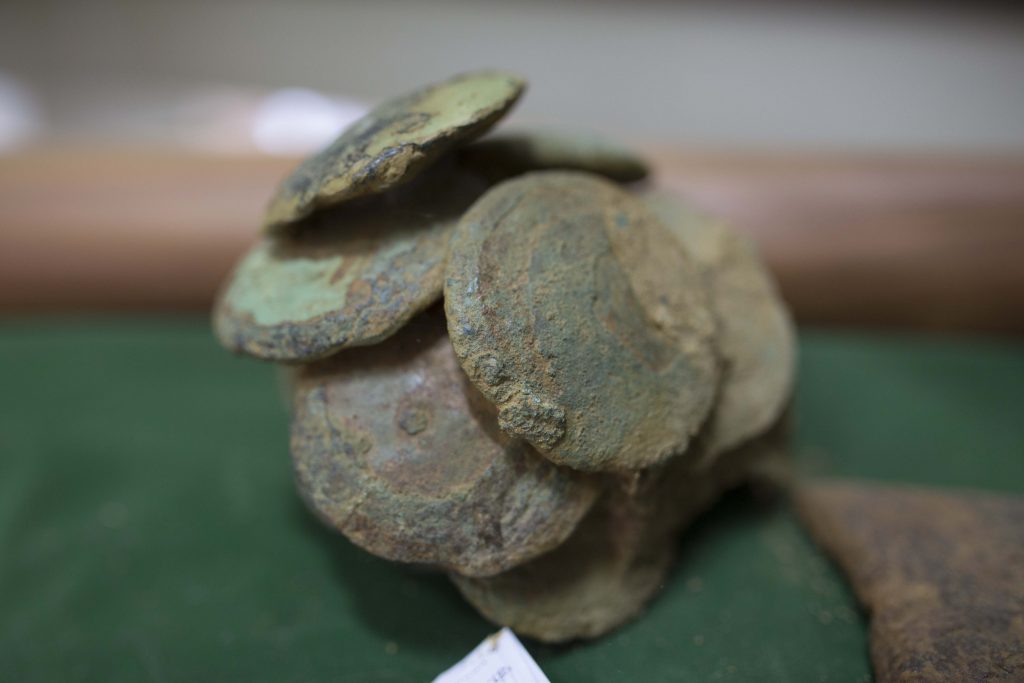
Potteries, iron axe, iron machete, spears, and coins from the 17th to 18th century, all discovered at Sepon mine.

Remarkable discoveries of artefacts and heritage sites have been made at the Sepon mine in the Vilabouly District, Savannakhet Province. In March 2018, the team of archaeologist discovered evidence of more than 200 antic mine shafts dating back over 3,000 years ago. This means Vilabouly district is considered one of the first mining and metallurgy areas in Southeast Asia.  We believe ancient mining around Sepon mine continued to about 1,300 years ago (700 AD) where people have excavated the rich copper ore then refined it in the so- called Peun Baolo and Thong Na-Gneuak (Dragon Field) locations and exchanged minerals and metals since then.  These dates have been confirmed from the examination of bamboo matting found in the mentioned well-preserved ancient mine-shaft support structures laid in the compacted wet clay just below the surface (10 to 40 meters deep).

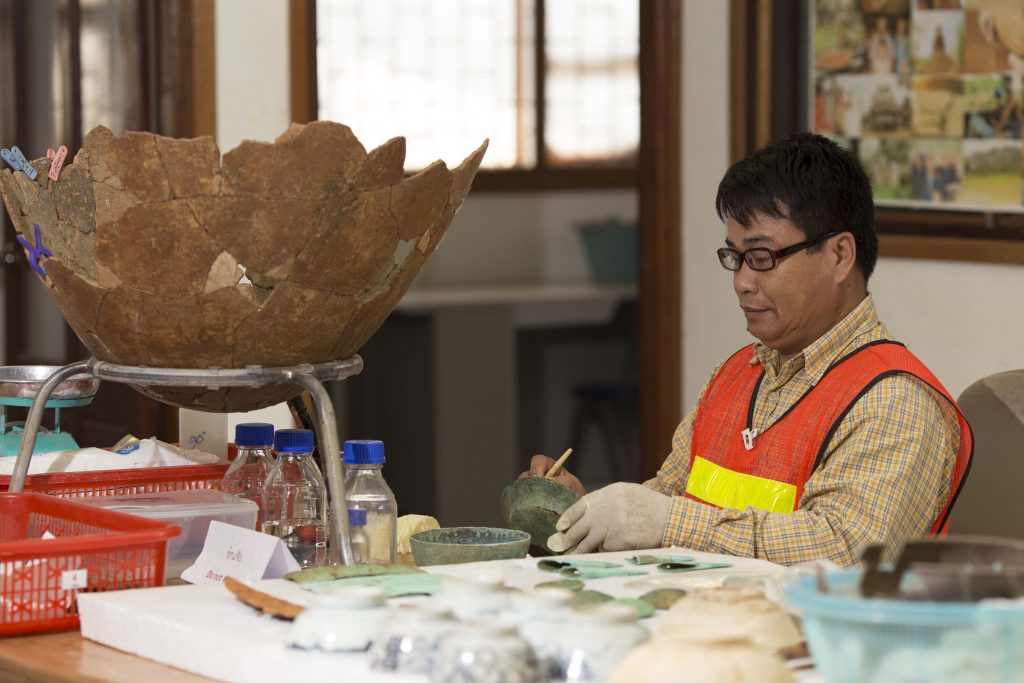
An archaeologist studying and preserving potteries, bronze bowl, bronze plates, bronze axes, and other ancient artifacts uncovered at Sepon mine through partnership between LXML; Ministry of Information, Culture and Information; National University of Laos; and James Cook University of Australia since 2008.

Other artefacts unearthed include mining equipment such as wooden ladders, pulleys, mallets, painted bamboo baskets, and rope made from lianas; a large ‘Dong Son’ bronze era drum currently on display at the National Museum in Vientiane; and crucibles, copper ingots, jewellery, ceremonial items and other artefacts highlighting Laos’ pivotal place in regional history.

“While the handover today marks a significant milestone of our partnership in historical and cultural heritage preservation, it is not the end.” said Mr Saman Aneka, LXML Managing Director. “LXML stands committed to continue providing support and to work hand in hand with our Government counterpart and academia for at least another 10 years until mine closure.”

Mining has been essential in the development of civilisation and society throughout history. Excavations will continue and we look forward to reveal more exciting discoveries about Lao culture and history.

This story provided by Lane Xang Minerals Ltd.

Second Sustainable Tourism Solutions Expo to be Held on 27-28 September 2019

Second Sustainable Tourism Solutions Expo to be Held on 27-28 September 2019

After last year’s well-received first event in Luang Prabang, the second Sustainable Tourism Solutions Expo (STSE) will take place this week in Vientiane on 27-28 September 2019 at the Crowne Plaza. The STSE is the region’s leading specialized fair for the tourism industry to celebrate, explore, and exhibit the latest trends, insights, and technology in sustainable tourism and hospitality practices.

Fifty-four exhibitors from Laos and the Mekong region will showcase their products, services, and initiatives over the two-day event, which is free to attend. These companies represent several categories relevant to the theme of the event: eco-friendly hotel supplies, handicrafts, organic food, initiatives and projects, as well as responsible tours and accommodation.

The exhibitors will introduce business owners to environmentally-friendly cleaning products, toiletries, and plastic-free packaging. They will offer locally-produced substitutes for imported food and beverages. Several booths will focus on technology like wastewater treatment systems, solar energy, and water conservation equipment. Importantly, enterprises that attend the expo will learn how their business can benefit from supporting and contributing to community development and social initiatives.

A new addition to this year’s agenda is production demonstrations. On the second day of the expo, 11 different companies and organizations will make individual presentations about their products and services to interested attendees. These include: Asia One Resort Supply, Soap4Life Foundation, Epurtek, Pankham Jampa Holdings, Saoban Handicrafts, Green Discovery, RefillMyBottle, Mai Savanh Lao, Thavixok Rattan House, AgroAsie Group, and Bamboo Lao.

One of the most enriching parts of the expo will be its symposia program, bringing together renowned thinkers from the region to discuss topics that matter greatly to the tourism industry. On Friday 27th September, visitors will be able to attend three symposia: “Policy Mechanisms for Plastic Reduction in Tourism in Southeast Asia,” “Human Resources Development and Job Creation in the Tourism and Hospitality Sector,” and “Towards a Circular Economy in Food: The Role of the Tourism Industry.” On Saturday 28th September, the seminar “Grow Your Business with Great Communication” will be held, as well as a workshop entitled “How Sustainability Helps Accommodation Businesses Save Money,” for which pre-registration is required.

The second Sustainable Tourism Solutions Expo is organized by the Ministry of Information, Culture, and Tourism, with support from the Ministry of Natural Resources and Environment, the Lao Association of Travel Agents (LATA), the Lao Hotel and Restaurant Association (LHRA), the Small and Medium Enterprises Service Centre (SSC) operated by the Lao National Chamber of Commerce and Industry and the Department of Small and Medium Enterprise Promotion (Ministry of Industry and Commerce) and the Regional Economic Integration of Laos into ASEAN – Trade and Entrepreneurship Development (RELATED) Project of the Lao-German Development Cooperation.

For a complete list of exhibitors, a full schedule, or details about symposia, please see the website of the Sustainable Tourism Solutions Expo: www.stse.la.

Laos to study marijuana for medical uses

Laos to study marijuana for medical uses

Laos has formed a task force committee to conduct a study on the potential of marijuana for medicinal use.

The committee, led by the Minister of Health Dr Bounkong Syhavong, is to carry out a study on the use of marijuana for medicinal purposes as well as its economic, social, and political impact while ensuring compliance with international principles, the Vientiane Times reported.

The Lao government will take further steps based on the findings of the study.

The government’s move came after the health ministry submitted a proposal to build a hospital to treat cancer with traditional medicines extracted from marijuana and other natural herbs.

The government first agreed in March to organize a seminar to discuss and study medicinal marijuana.

Since the cultivation, trade and use of marijuana are currently prohibited in Laos, current legislation has to be amended if Laos were to legalize medicinal marijuana, Vientiane Times noted.

“Despite being illegal, many Lao people are believed to use cannabis to relieve pain and fatigue,” the paper added.

Prohibition Partners, a nongovernmental organization with a mission to open up the international cannabis industry, believes cannabis producers and large pharmaceutical companies from the West see enormous business potential in Asia, which is considered the “untapped” market.

The organization estimates 85.5 million of Asia’s roughly 4.5 billion population in 2019 are cannabis users, projecting the Asian market will be worth USD 8.5 billion in 2024, with medical use accounting for USD 5.8 billion of that.

This is mainly because allowing medical cannabis is seen as a step toward approving recreational use as seen in Canada’s case, which legalized cannabis in late 2018 after years of allowing medical use.

South Korea, for example, legalized cannabis in November last year although it still remains a subject for strict control.

In the same month, Japan approved clinical trials for the cannabis compound Epidiolex, a CBD oral solution used in treating epileptic patients.

The move was followed by Thailand that approved marijuana for medical use and research in December last year.

Meanwhile, Malaysian Health Minister Dzulkefly Ahmad said in June that drugs had destroyed many lives, but wrongheaded governmental policies had destroyed many more.

He noted that he thought it was obvious that after 40 years of war on drugs, it had not worked and there should be the decriminalization of drugs, adding that such a move would be a “game-changer”.

Laos joins UNDP Accelerator Lab Network to Tackle Development Challenges

Laos joins UNDP Accelerator Lab Network to Tackle Development Challenges

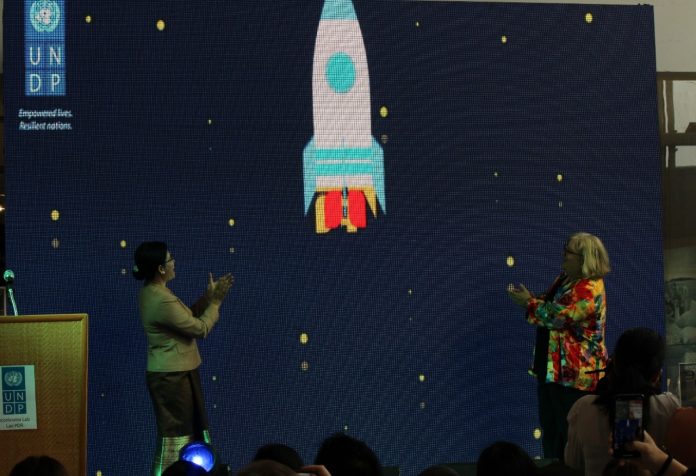
Laos has become one of the latest countries to have Accelerator Lab launched by the United Nations Development Programme (UNDP).

The lab is designed for participating countries to find “radically new approaches” that fit the complexity of current development challenges.

It aims to transform UNDP’s collective approach by introducing new services, backed by evidence and practice, and by accelerating the testing and dissemination of solutions within and across countries.

The lab also analyzes challenges within local contexts to identify connections and patterns in search of new avenues of work to act effectively in addressing wicked development challenges. UNDP currently runs 60 labs across 78 countries.

In Laos, the lab will map local grassroots solutions, test them and, if found viable, scale them up to quickly answer important challenges, according to a statement by UNDP Los. In particular, the global plastic crisis and youth employment are among focuses.

“With the Accelerator lab, we want to quickly identify burning issues that affect people and economic development, explore and map the solutions that already exist, experiment what could work and share widely in Lao PDR and with the rest of the world,” said Ricarda Rieger, UNDP Resident Representative.