MUL03 Souphaphone Somvichit is crowned Miss Universe Laos 2017
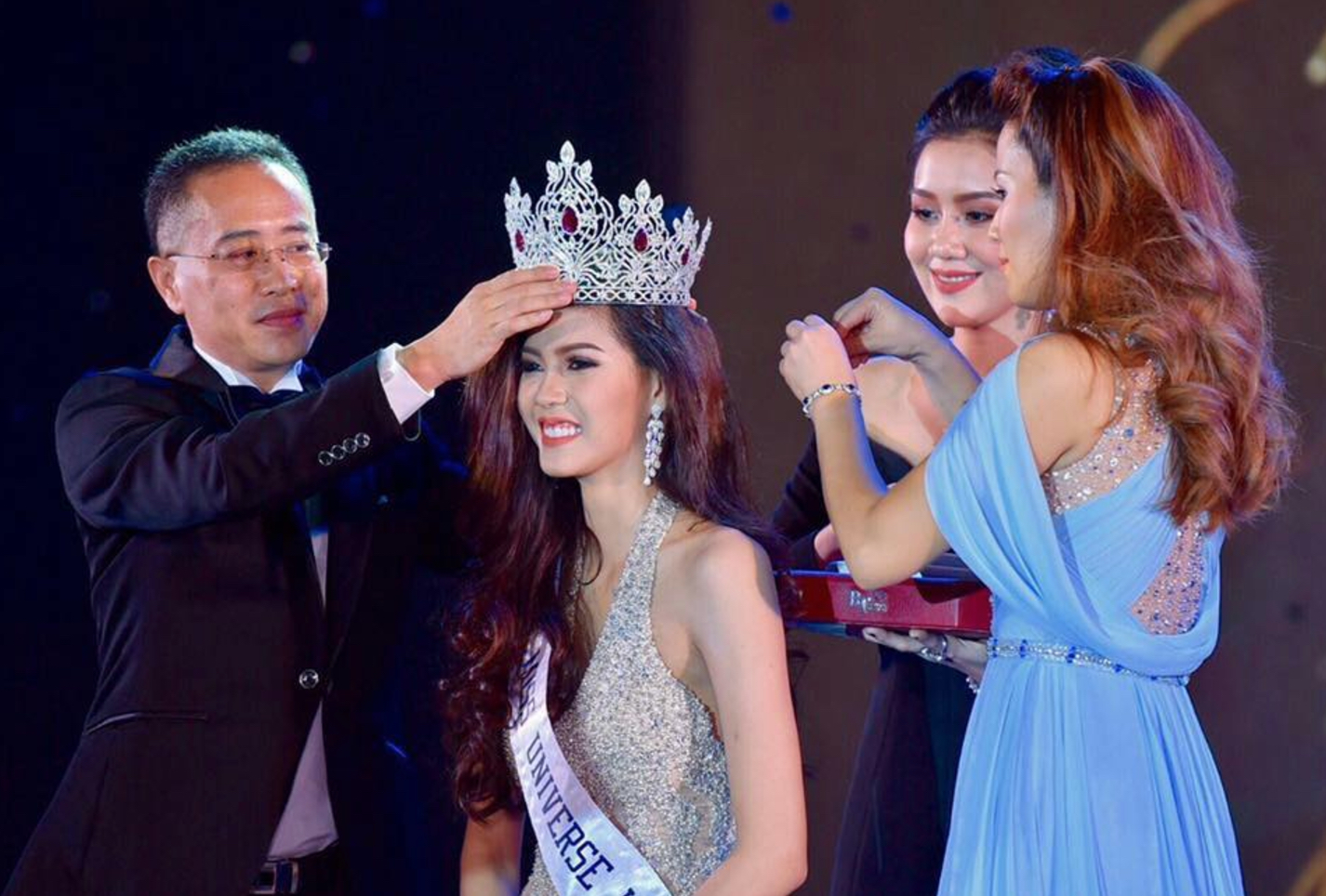
Vientiane, Aug 26 – In a historic moment, Laos crowns its first-ever Miss Universe Laos. Her name is Souphaphone “Nui” Somvichit.
During a glamor-filled evening at the National Convention Center (NCC) in the nation’s capital, TVLAO hosted the country’s first Miss Universe Laos competition that resulted in Laos’ first-ever representative to be sent to compete in the international stage.
Standing 1.78m, the twenty-year-old Business Administration Comcenter College student (MUL3) showed the country that she was now ready to compete in the big leagues.
Souphaphone is no stranger to the limelight. She garnered the public’s attention when she became first runner up in the Miss Vientiane 2016 Competition. After that, she had already won several modeling gigs, with the most notably being featured as the cover girl of the famous Mahason Magazine Issue 215. She also played a lead role in sensational rock group, Black Eyes’ music video, Kub Pai Sa.
Nui Souphaphone (center), stands in between Miss Universe Laos Director Hongkham Souvannavong and his wife.
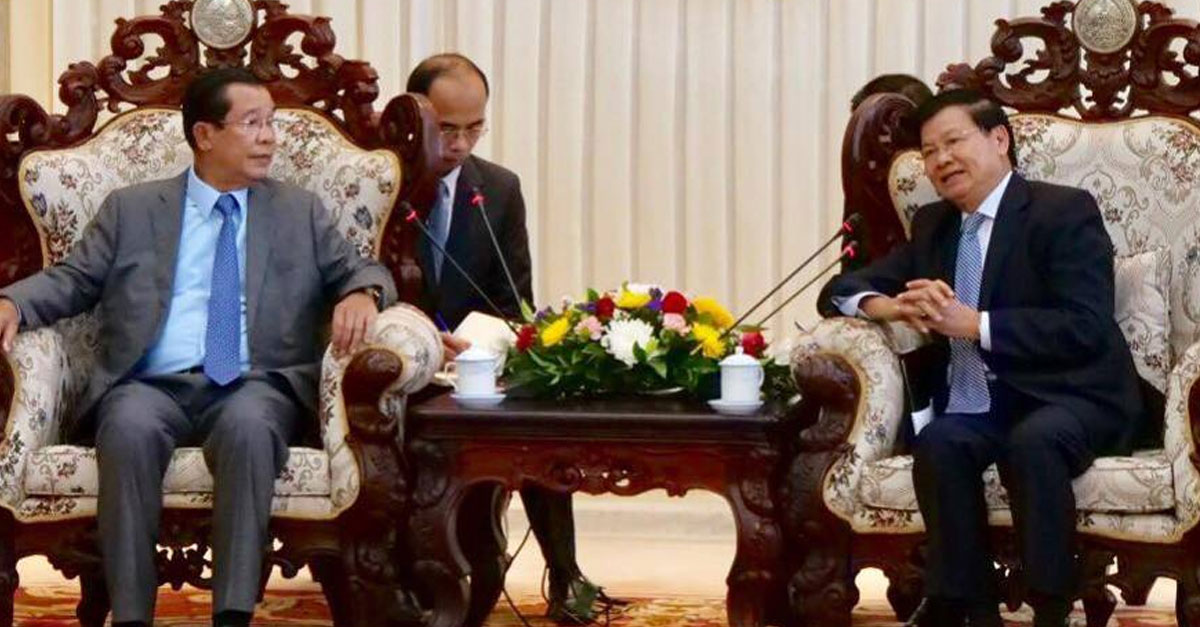
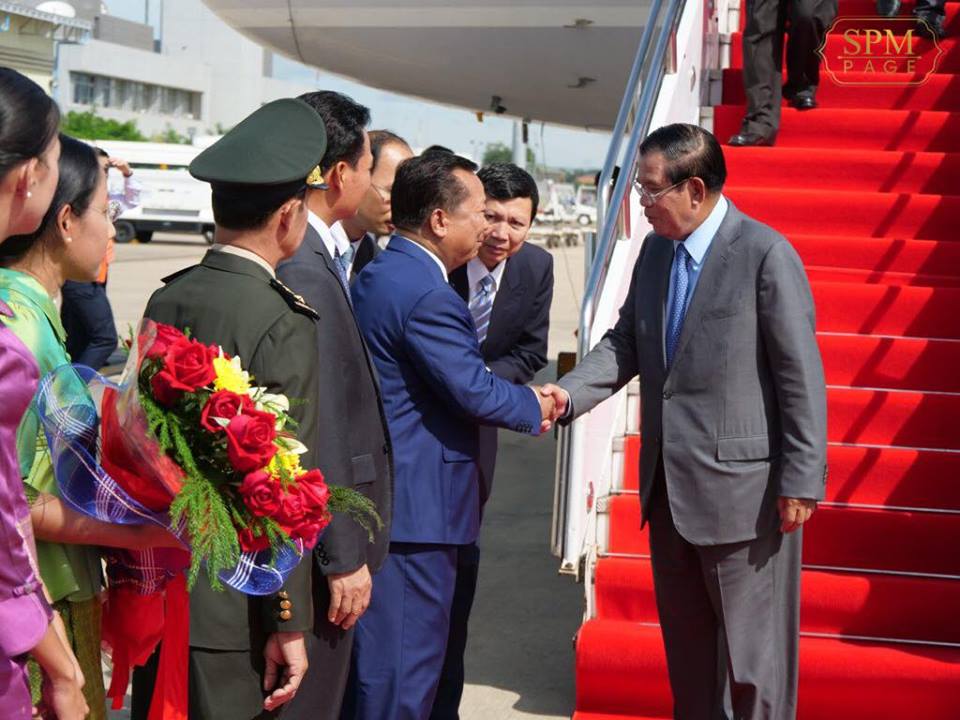
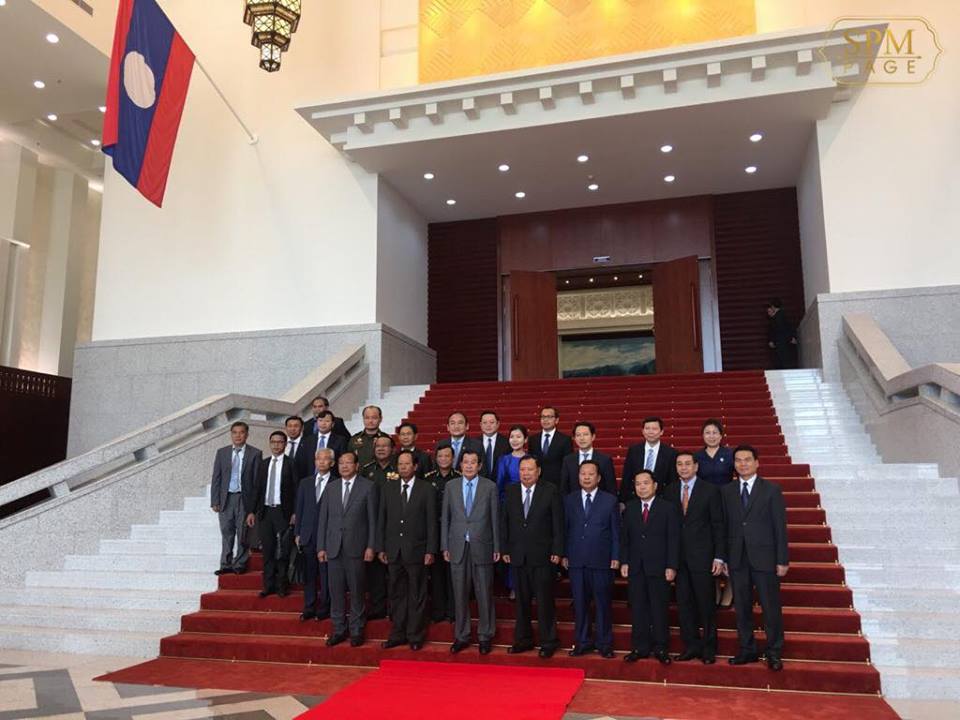
Cambodian Prime Minister Hun Sen flew to Vientiane this morning to meet with Lao Prime Minister Thongloun Sisoulith and discuss the border dispute near Attapeu that caused panic earlier this week.
Talks are being held at the Prime Minister’s Office, and a press conference is expected to be held to explain the outcome of discussions.
Prime Minister Thongloun Sisoulith has urged all news agencies to ensure they provide accurate representations of the border dispute, to ensure that the problem will be peaceably resolved.
The border dispute has been brewing for some months, with each side making demands of the other. It came to a head yesterday afternoon as PM Hun Sen issued a warning to the Lao military to leave Cambodian territory.
Official demarcation between the two nations has not yet been fully completed, and tiffs over border locations have been common in the past.
While Hun Sen claimed to have sent a letter to the Lao Prime Minister on August 2, the Lao authorities said they had received no official warning or correspondence.
Nevertheless, both leaders are now peacefully settling the dispute in person.
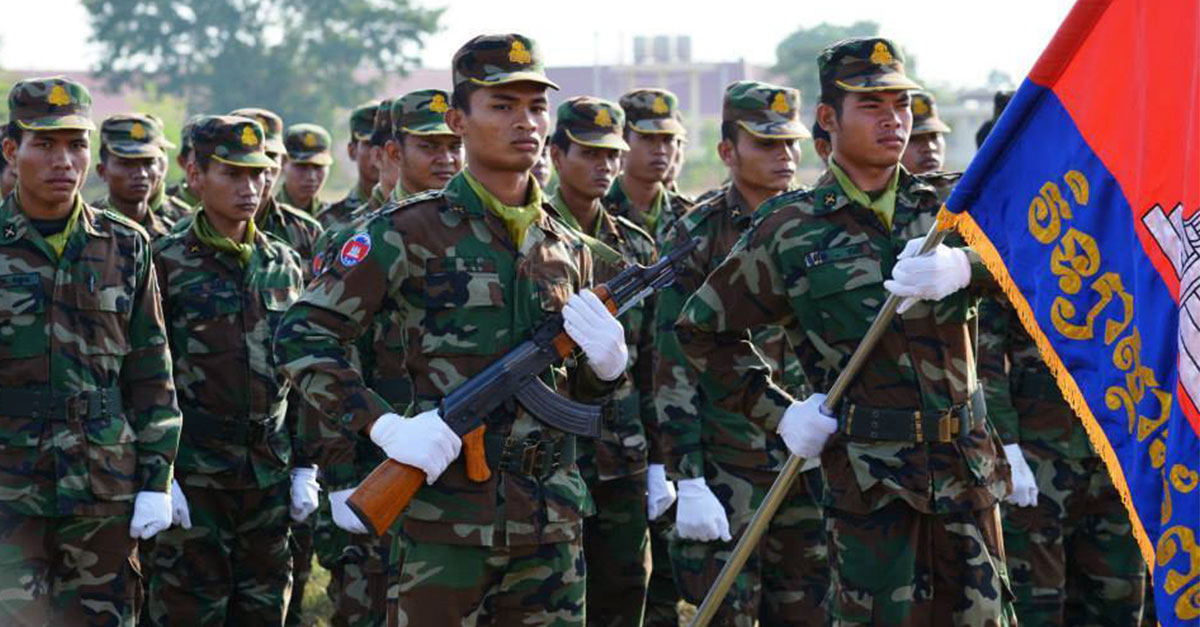
Cambodian Prime Minister Hun Sen has accused Laos of military encroachment onto Cambodian soil. He said soldiers from Laos have entered Cambodia and must leave by August 17, or suffer the consequences.
Mr Hun Sen has now mobilized troops to the border area.
As many as thirty Lao troops crossed from Laos into Cambodia near Stung Treng Province in April, according to news reports, and have remained in the area for long periods of time.
“I am unable to keep patience,” said PM Hun Sen. “It’s not right that we fight each other but if they don’t withdraw, then we must. We are not declaring war, we just ask to get our own land back.”
“I appeal to Laos Prime Minister Thongloun Sisoulith to withdraw troops from Cambodian territory,” the Cambodian Prime Minister added.
Experts say that such squabbles are common along the 540km land border between Laos and Cambodia, and many areas have not been officially demarcated.
State media in Laos has remained silent in regard to the issue.
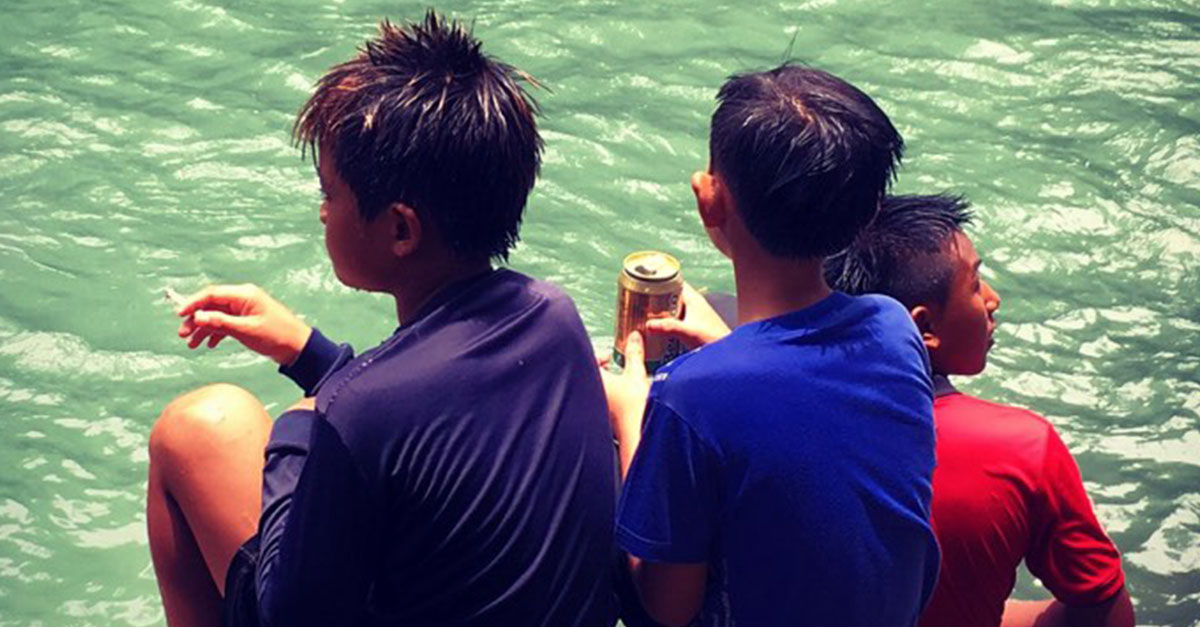
Alcohol is cheap, available, and extremely accessible in Laos, where children can freely purchase it without the bat of an adult eyelid.
According to Phonchan Saengphouvan of the Vientiane Capital Information, Culture and Tourism Department, underage drinking is common at restaurants and bars across the country.
“A lack of strict rules and education campaigns are the main reasons students take to drinking alcohol,” said Phonchan in a report by the Vientiane Times.
He said it was not difficult to monitor such activity, with students drinking publicly while in school uniform.
While a significant proportion of the Lao population enjoys a drink, young people are drinking to a point where it is affecting their studies.
Meanwhile, little is being done to curb the issue of underage drinking besides the shutdown of a few bars that had opened close to the National University of Laos and other schools and colleges.
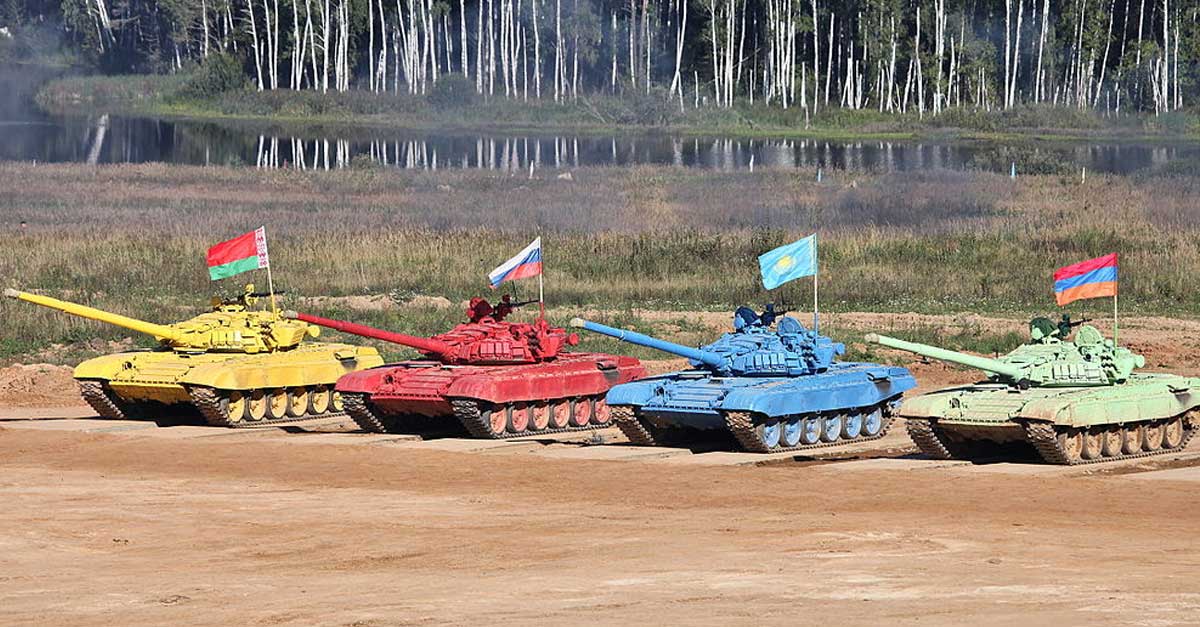
A team from Laos is taking part in the Tank Biathlon at the 2017 International Army Games, co-hosted by China and Russia this year.
The Laos tank biathlon team has entered the competition with a Russian T-72B3 battle tank. Uganda has also reportedly entered the competition for the first time this year alongside Laos.
A T-72B Russian Tank
The competition will begin with a race of the first four crews from Uganda, Tajikistan, Angola and Laos, according to the Games’ organizing committee.
The day’s program will then end with a race of tank crews from Azerbaijan, Kuwait, Mongolia, and China. The first three crews will operate Russian tanks, while the Chinese will operate the Chinese Type-96B tank.
Semi-final races will take place from 8-10 August, with the four finalists to compete on the closing day, August 12.
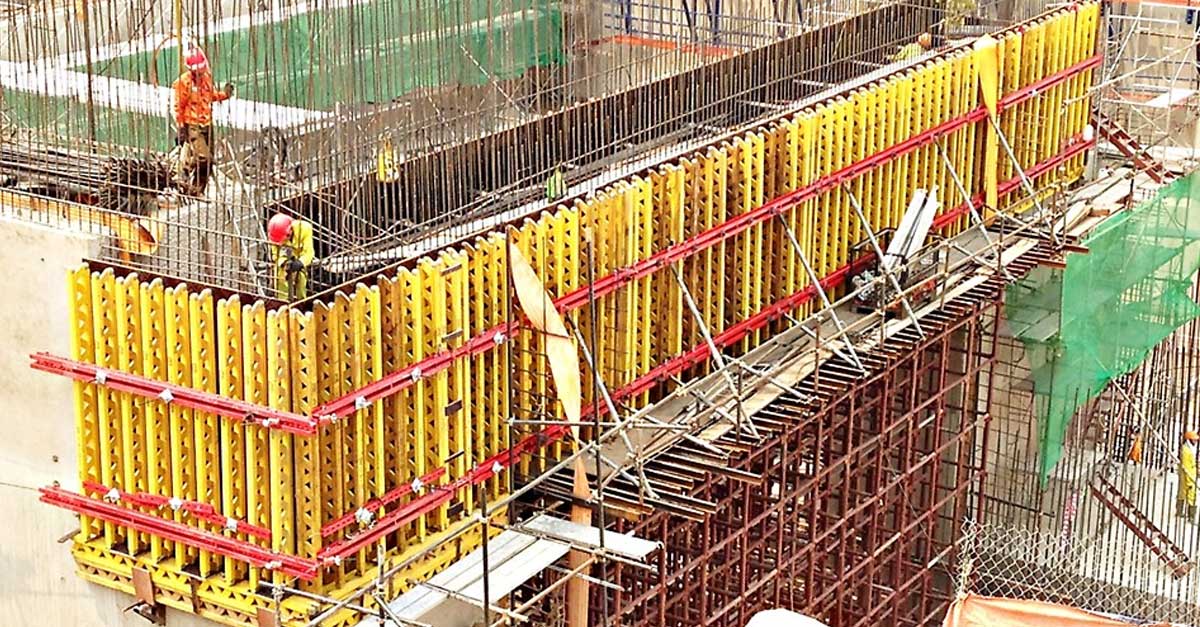
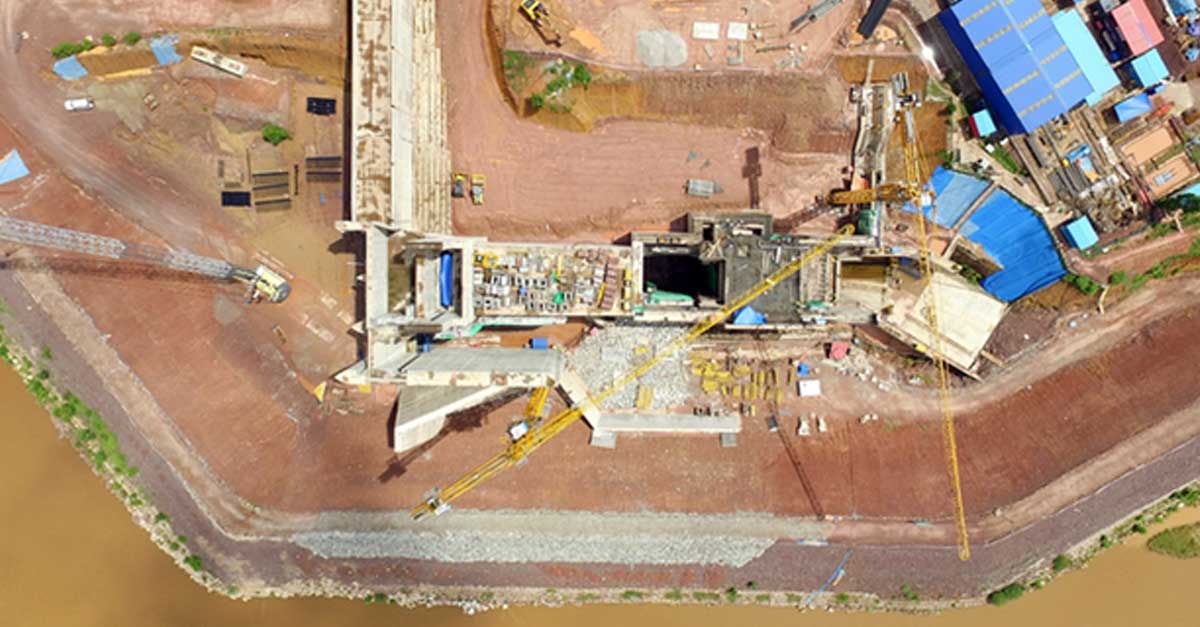
Six Vietnamese employees were killed when a gas cylinder exploded at the construction site of the Nam Ngiep 1 hydropower plant, according to Vietnamese media.
The explosion occurred Friday night at the Nam Ngiep plant in Bolikhamxay Province.
The precise cause of the incident is still under investigation.
Construction of the 290-megawatt hydropower plant, which will consist of two dams and two power stations, began in 2014.
It is one of nearly a dozen dam projects planned or under construction in Laos.
Vietnamese state media reported that the bodies of the dead workers would be brought back to Vietnam, while two injured workers remain in Lao hospitals.
The group worked for Vietnamese construction firm Song Da 5, which has been contracted to carry out construction of the hydropower project. The plant is jointly funded by Japanese, Thai and Lao partners.
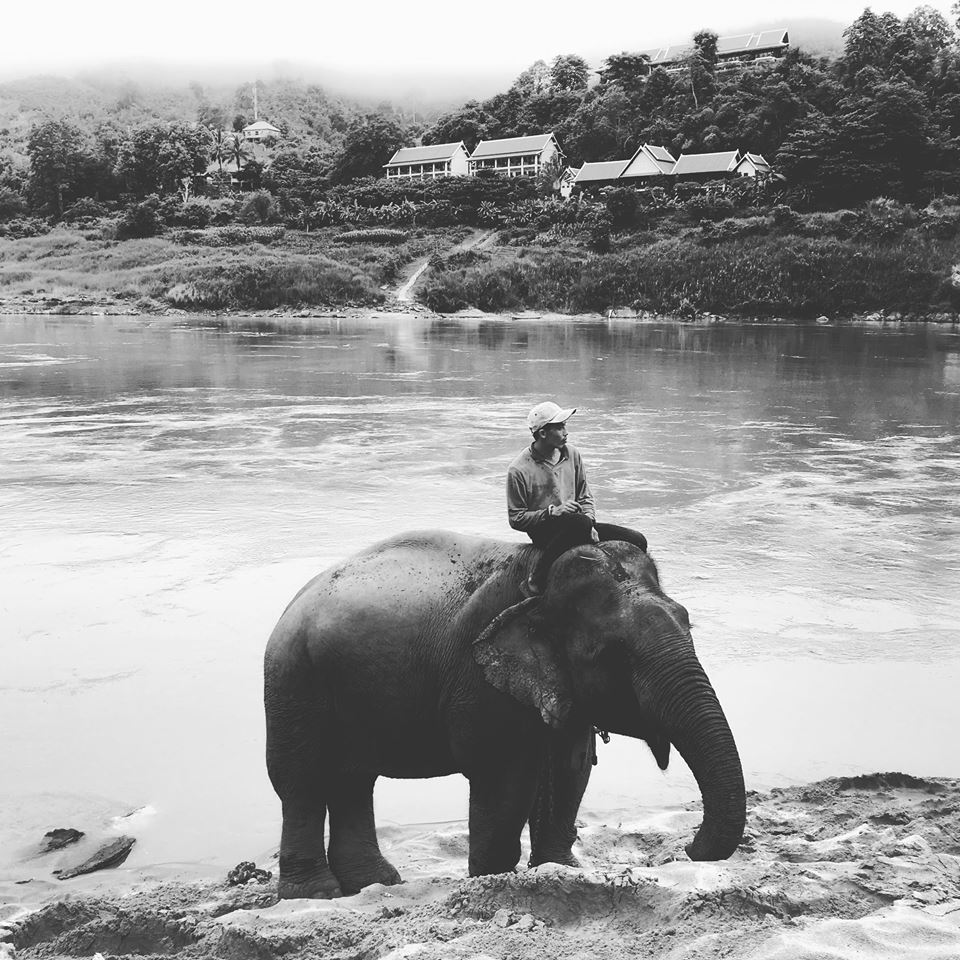
Dozens of elephants from Laos are being illegally bought by China to be displayed in zoos and safari parks across the country, according to wildlife investigator and film-maker Karl Ammann.
According to Ammann, so-called captive elephants in Laos sell for about £23,000 before being walked across the border into China by handlers or “mahouts” near the border town of Boten. Thereafter they are transported to receiving facilities, which buy them from the agents for up to £230,000 per animal. “That is a nice mark-up,” says Ammann, “and makes it exactly the kind of commercial transaction which under Cites rules is not acceptable.”
Ammann and his crew stumbled on the illicit trade between Laos and China earlier this year, while investigating the sale of 16 Asian elephants from Laos to a safari park in Dubai. None of the elephants had the necessary permits for export. The translocation was stopped by a direct order from the new Laotian prime minister at the last moment, while an Emirates Airlines Cargo 747 was already on the tarmac in Vientiane, the country’s capital.
Many mahouts told Ammann on camera that their elephants are captive-bred but have been sired by a wild bull elephant. To avoid stud costs, mahouts in Laos tie captive-bred females to trees in the forest so that they can be mated with wild bulls. Under Cites Appendix I, an elephant with a wild parent in an uncontrolled setting is not considered captive-bred and therefore may not be sold commercially.
Almost 100 Asian elephants are believed to have been sold from Laos to China over the past couple of years. Chunmei Hu, an animal welfare advocate in China, says she has already established that six zoos – all government-owned – have a confirmed 38 elephants from Laos, with 50 more likely to be Laotian. But the trade in live Asian elephants contravenes international regulations. Like African elephants, Asian elephants are considered a species threatened with extinction. All international trade is prohibited by the Convention in the Trade of Wild Fauna and Flora (Cites) unless it is not for commercial purposes, or unless the elephants originate from a Cites-approved facility of captive-bred animals.
Laos does not have a single Cites-approved breeding facility, however, and, Ammann says, the transactions have been commercial. Some zoos have paid Chinese middlemen up to 10 times as much as the latter paid owners in Laos.
Elephants are a popular and renumerative attraction at Chinese circuses, zoos and safari parks – they are still expected to perform in some places, although this is increasingly controversial. Conditions can be poor – some reviewers on Tripadvisor describe elephants confined in small concrete boxes. The elephants are sourced from a number of places. In 2015, and again in 2016, amid a global outcry, Chinese zoos and safari parks flew in more than 60 baby African elephants taken from their families in the wild in Zimbabwe. The elephants are now at the Shanghai Wild Animal Park, the Beijing Wildlife Park and the Hangzhou Safari Park, among other venues.
This would not be the first time Laos had breached Cites requirements. In July last year, the Cites secretariat highlighted “gaps in implementation under Article XIII of the convention” and recommended that Laos improve its compliance ability and law enforcement of illegal wild animal and plant trafficking.
One of the measures available to Cites is to recommend that wildlife trade is suspended with Laos, says John Scanlon, the Cites secretary general. But he adds that the measure is used only “as a last resort, as our primary goal is to work with and assist Cites parties in the effective implementation of the convention”.
A Cites technical committee is in Laos at the moment to verify the country’s progress. Scanlon adds: “Our comment on the alleged export of Asian elephants from Laos will entirely depend on the nature of the trade and details of the particular transaction.”
Ammann is sceptical that action will be taken. “The Cites secretariat should have recommended the suspension of Laos for non-compliance and lack of enforcement a long time ago,” he says, “but they are a UN body and rocking the boat is not in their nature, even though suspension is a vital enforcement tool at their disposition and re-admission is an option once compliance has been achieved.”
While Laos still has considerable distance to go in stopping the trade, Ammann believes that China also needs to be held accountable. “China has been on the front lines of importing iconic live species from rhino to killer whales, elephants, and recently 150 chimps – all totally illegal – and Article VIII of the convention dictates that parties involved in the illegal import be prosecuted, the animals in question confiscated and, if possible, repatriated. But this does not seem to apply to China,” he says.
The Guardian
The Guardian UK, one of Britain’s top daily newspapers, provides coverage of international environmental issues. Earth Island Journal is a member of the Guardian’s Environment News Network.
In spiritual terms, indigo is the colour of intuition and perception. In fashion terms, it’s synonymous with denim – deep of hue and naturally dyed.
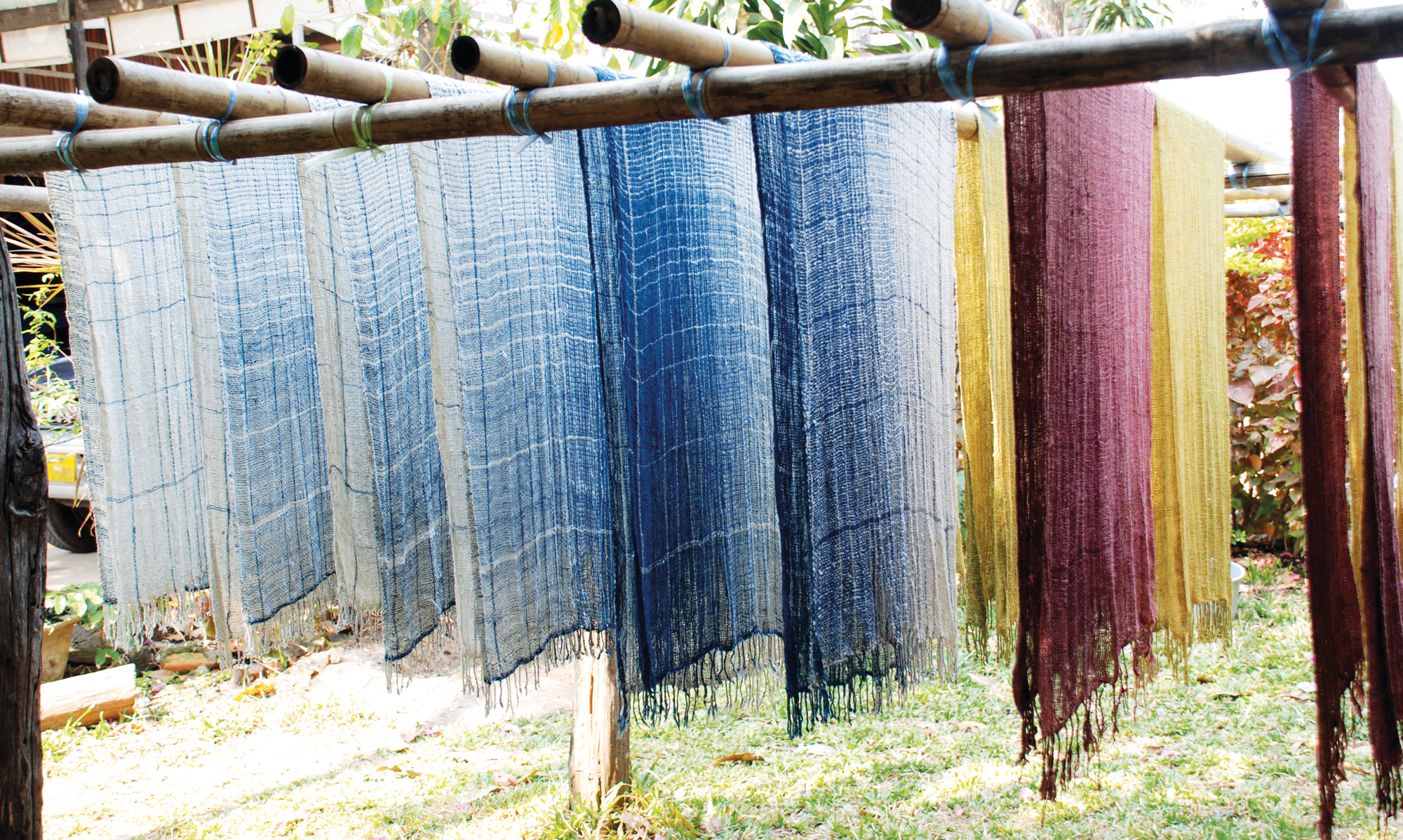
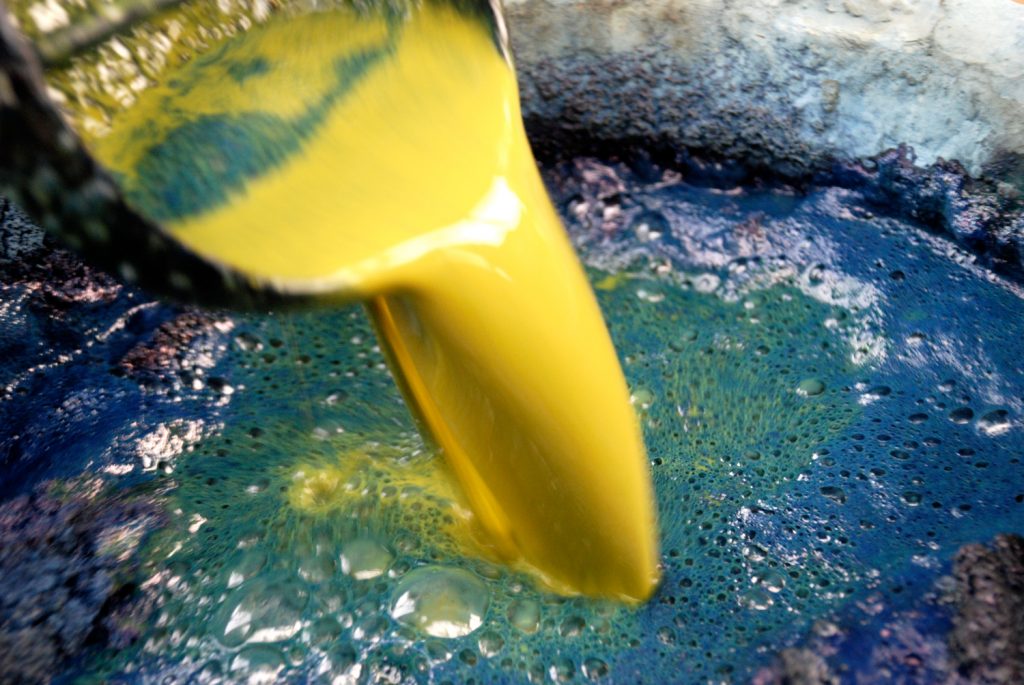
It’s also one of the seven colours of the rainbow and has up to seven of its own distinct shades. But did you know that indigo also has mosquito repelling properties, and helps reduce perspiration. It’s for these reasons, and more, that indigo, derived from the plant of the same name, has been intricately linked to the livelihoods of Lao people for generations. In Laos, indigo is often dubbed “the living colour”, because of the procedures involved in its cultivation, a complex process that involves extracting the liquid from the plant leaves and fermenting it, until a chemical process turns it from a murky yellow to the deep indigo hue. During this process, great care is taken to ensure the colour does not “die” at each step, and it is then prized for its various practical, rather than simply aesthetic, qualities.
This is especially true for rice farmers, who often wear cotton dyed with natural Indigo. But today, all over the world, fashionable young things are toting bags and wearing jeans and shirts made from “natural-dyed indigo” and hailing from the popular Japanese chain store Muji, which has more than 470 branches worldwide. Most people are unaware of the brand’s long-established link with a workshop in southern Laos, home of the Thonglahasinh Company, which today exports several textile products to Japan.
According to the company’s founder, Bounthong Yodmankhong, the road to this point has been long and winding, beginning when he set up the company with his wife, Songbandith, almost 30 years ago.
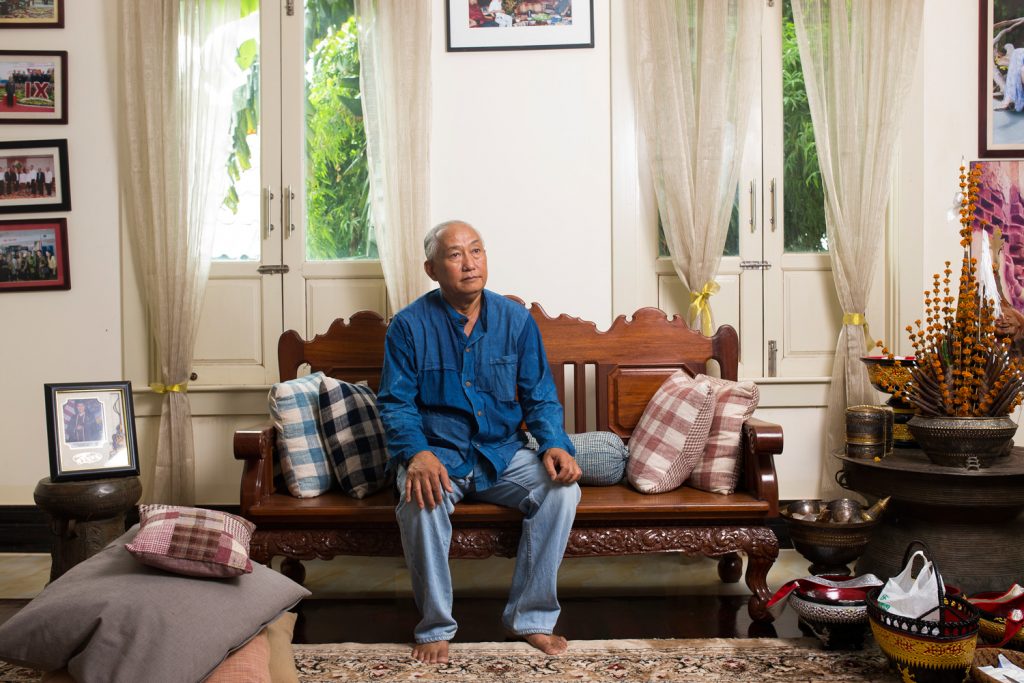
Bounthong Yodmankhong
Back in 1990, Thongsavanhxay Company, as it was then known, began life as a garment factory in Savannakhet, exporting products to Europe. But when the European Union cancelled a special tax exemption, many foreign investors in Laos had to move their operations to China and Vietnam. Thongsavanhxay was among many local operations that were forced to close. But Bounthong says the move also forced him and his wife to change their business focus, and concentrate more on locally made products that reflected Lao culture.
Songbandith hails from Ban Laha, a small village in Savannakhet Province that has long been associated with indigo and cotton farming. Due to a family heritage of work in the area, she had hundreds of rolls of vintage fabrics scattered throughout the family home. It was these that caught the eye of Maki, a visiting conservationist and textiles expert from Japan, who was introduced to the family by an expert from JICA.
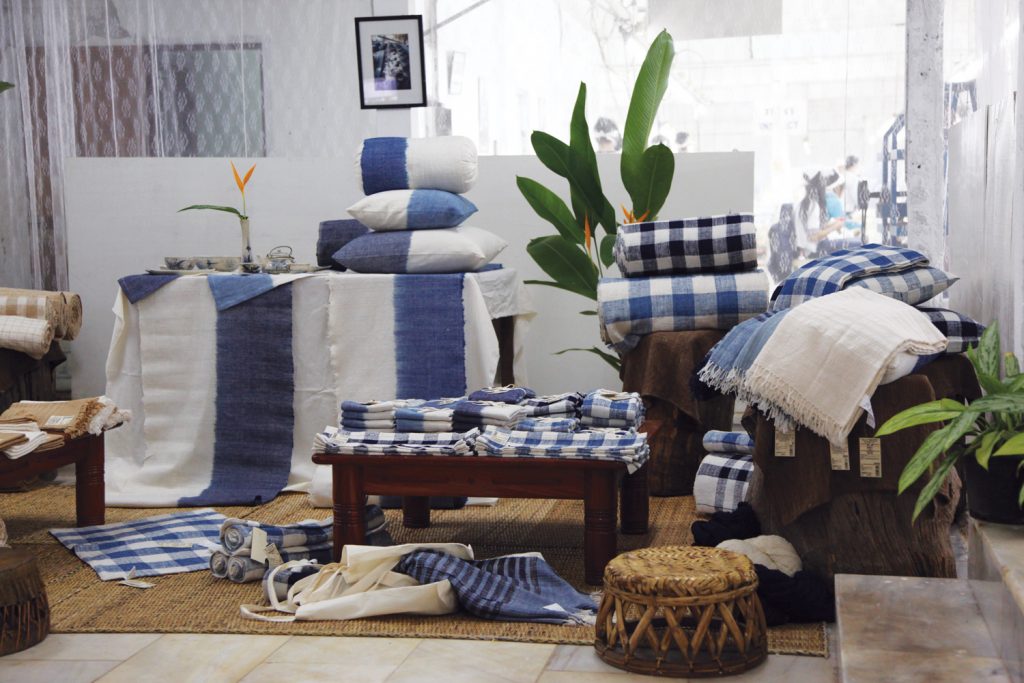
Laha’s products
“Mr Maki was interested in Lao weaving culture and saw the beautiful fabrics we’d collected,” Bounthong says.
“He wanted to understand more about the traditional weaving methods of the villagers of Laha from the village elders, and especially about the traditional indigo dyeing methods.”
The idea was to revive the traditional heritage of indigo and Lao cotton weaving, and combine it with modern designs, in a joint Lao-Japanese enterprise. After several years of studying and refining the local craft, the project, led by Bounthong and Maki, was able to export products to Yukenled, a leading import company in Japan, in 1997.
The delicate process of producing indigo
From this, the local Thonglahasing, or ‘Laha’ brand was born, an enterprise that was now large enough to export its products and gain international recognition. From then on, Bounthong regularly attended international textile exhibitions and trade shows, and it was while attending an exhibition in Japan in 2012 that he met a representative of Muji.
“He was interested in collaborating with the business, and said Muji had been monitoring Laha’s progress for the past 12 years,” Bounthong says.
This partnership led Bounthong, along with the general manager of Muji, on a study tour to India to research traditional Indian methods of indigo dyeing.
“When working with the Japanese, every step must be very detailed and meticulous in order to satisfy their quality standards,” Bounthong says.
“But this didn’t put us off at Laha – we’ve worked hard over the years to prove ourselves to Muji and maintain the relationship.”
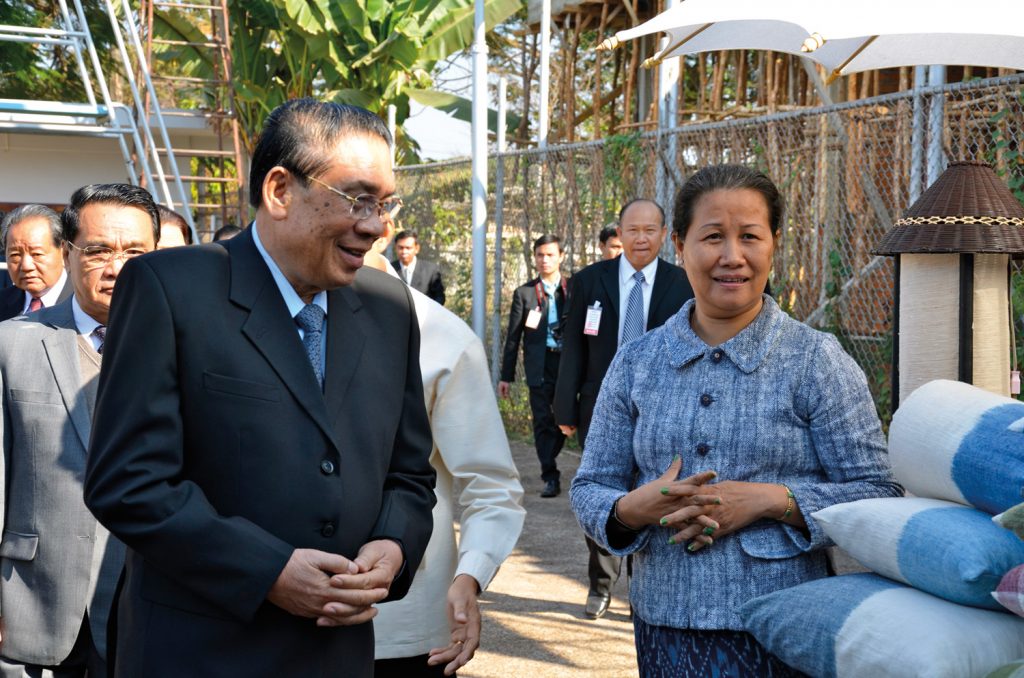
Former President Choummaly Sayasone
Nowadays, the Thonglahasinh Company fills orders worth US$2 million a year for Muji, with the most popular item a simple denim tote bag in varying shades of indigo. The company sends off more than 1 million of these each year, alongside limited edition scarves, pillowcases and cushion covers.
“These products are limited because of the precision required in weaving and dyeing according to Japanese standards, which takes time,” Bounthong says.
“But we’re told they’re highly prized by Japanese customers.”
Today, Bounthong is wearing one of his own indigo shirts – faded and softly worn with age – and muses that the business of textiles is both beautiful and multi-faceted. An avid photographer in his spare time, he says the patience and attention to detail required to capture the perfect image is similar to producing beautiful cotton and indigo fabrics. And both require an appreciation for beauty that millions of people, the world over, can now share.